
Exporting the best types of composite panel : Listen
Exporting the best types of composite panel

Introduction
Composite panels have gained immense popularity in various industries due to their versatility, durability, and aesthetic appeal. As a result, the market for composite panels has experienced significant growth worldwide. This article aims to shed light on the best types of composite panels for export and their applications in different sectors.
Aluminum Composite Panels (ACP)
Aluminum Composite Panels, or ACP, are widely regarded as one of the most popular and versatile types of composite panels available. They consist of two aluminum sheets bonded to a non-aluminum core, usually made of polyethylene (PE) or fire-resistant material (FR). ACPs offer excellent rigidity, weather resistance, and thermal insulation properties.
ACP panels find extensive application in the construction industry for building facades, signage, interior partitions, and cladding systems. The ability to customize colors, finishes, and textures makes ACP panels a favored choice for architects and designers.
Fiber Reinforced Polymer (FRP) Panels
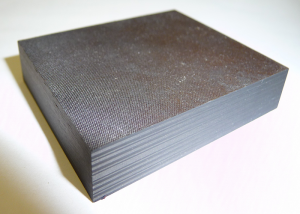
Fiber Reinforced Polymer (FRP) panels are composite panels made of a polymer matrix reinforced with fibers, such as fiberglass or carbon. These panels possess exceptional strength-to-weight ratio, corrosion resistance, and dimensional stability. FRP panels are often used as a replacement for traditional construction materials due to their durability and ease of installation.
In the transportation industry, FRP panels are utilized for manufacturing lightweight components, including vehicle bodies, truck panels, and interiors. They offer enhanced fuel efficiency and contribute to reducing overall vehicle weight.
Wood Plastic Composite (WPC) Panels
Wood Plastic Composite (WPC) panels are an innovative solution that combines wood fibers and thermoplastics. This combination results in panels that mimic the appearance of wood while offering improved durability, moisture resistance, and low maintenance requirements. WPC panels are eco-friendly alternatives to traditional wood products and are widely used in both indoor and outdoor applications.
The furniture and decking industries are significant consumers of WPC panels. They are utilized in the production of outdoor decks, garden furniture, wall cladding, and interior flooring. WPC panels provide an attractive appearance while withstanding harsh environmental conditions.
Honeycomb Panels
Honeycomb panels consist of a honeycomb core sandwiched between two thin sheets of material, such as aluminum, stainless steel, or fiberglass. The honeycomb structure provides exceptional strength and rigidity while minimizing weight. Honeycomb panels are known for their high load-bearing capacity, impact resistance, and thermal insulation properties.
Aerospace and defense industries extensively utilize honeycomb panels for aircraft interiors, bulkheads, floors, and lightweight structures. The automotive industry also incorporates honeycomb panels for manufacturing lightweight vehicle parts, improving fuel efficiency without compromising on safety.
Additional Information on Exporting Composite Panels
Exporting composite panels requires careful consideration of market demands, quality standards, and competitive pricing. Here are some key factors to keep in mind when venturing into the global market:
- Quality Assurance: Ensuring high-quality composite panels is crucial for maintaining customer satisfaction and building a reputable brand. Adhering to international quality standards and certifications, such as ISO 9001 or ASTM, is essential. Implementing rigorous quality control measures throughout the manufacturing process will help guarantee consistent and reliable product performance.
- Customization and Design: Offering customization options can give exporters a competitive edge. Customers often seek composite panels that can be tailored to their specific requirements, including color, finish, size, and texture. Providing a wide range of design choices enables exporters to cater to diverse market preferences.
- Sustainability and Environmental Considerations: As sustainability becomes a top priority for consumers and industries, eco-friendly composite panels gain significant traction. Emphasizing the use of recycled materials, promoting energy efficiency during production, and ensuring the recyclability or biodegradability of composite panels can attract environmentally conscious buyers.
- Market Research: Thorough market research is vital before entering new export markets. Understanding the demand, competitive landscape, and regulatory requirements of target countries helps exporters tailor their products to meet local needs. Identifying potential distribution channels, trade shows, or industry events can assist in building valuable connections and expanding market reach.
- Logistics and Packaging: Efficient logistics management is crucial for exporting composite panels. Developing strong relationships with reliable shipping partners and freight forwarders will ensure timely delivery and reduce transportation costs. Additionally, using appropriate packaging materials that protect the panels during transit is essential to minimize the risk of damage.
- After-sales Support: Providing excellent customer service and after-sales support is key to maintaining long-term relationships with clients. Offering technical assistance, warranty options, and prompt response to inquiries or concerns helps build trust and fosters customer loyalty.
- Competitive Pricing: Pricing strategies should be based on thorough cost analysis, including raw materials, production, packaging, and logistics expenses. Considering market demand, competitor pricing, and any applicable import/export duties or tariffs is crucial to remain competitive in the global market.
Conclusion
Exporting high-quality composite panels requires a thorough understanding of market dynamics, customer preferences, and industry standards. By focusing on product quality, customization, sustainability, and effective logistics, exporters can position themselves as reliable suppliers in the global marketplace.
Exporting the best types of composite panel
Strategic market research, efficient supply chain management, and excellent customer service are vital for success. As the demand for composite panels continues to grow across diverse sectors, exporters must stay abreast of industry trends and adapt their offerings to meet evolving customer needs. By doing so, they can maximize opportunities in the global market and contribute to the advancement of sustainable and innovative composite panel solutions.







Leave A Comment