
Direct Supply Centers of Curved Glass of Building Facade
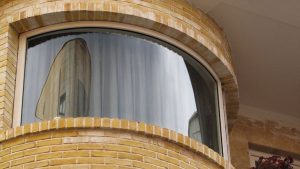
The world of architectural design has witnessed a fascinating evolution in recent years, with an increasing emphasis on innovative and captivating building facades. Among the myriad of materials used, curved glass has emerged as a favorite choice for architects and designers looking to create visually striking structures. Direct Supply Centers of Curved Glass have played a significant role in fueling this architectural trend, enabling the creation of stunning curved glass facades that redefine the aesthetics of modern buildings.
Unleashing Creative Possibilities:
The advent of Direct Supply Centers of Curved Glass has revolutionized the construction industry by offering architects and designers unparalleled creative freedom. Traditional flat glass panels have given way to gracefully curved glass surfaces, allowing for the creation of sweeping lines, fluid forms, and visually dynamic exteriors.
Curved glass not only enhances the overall visual appeal of a building but also provides numerous functional benefits. It allows for increased natural light penetration, improved energy efficiency, and the creation of unique viewing angles. The use of curved glass in building facades can transform ordinary structures into architectural landmarks, seamlessly blending form and function.
Advanced Manufacturing Techniques:
Direct Supply Centers of Curved Glass leverage advanced manufacturing techniques to produce high-quality curved glass panels tailored to the specific requirements of each project. The process typically involves the controlled heating and bending of flat glass sheets to achieve the desired curvature. Computer-aided design (CAD) software and precision machinery ensure accuracy and consistency in the manufacturing process.
These centers often house state-of-the-art facilities equipped with specialized bending and tempering ovens, enabling the production of complex curved glass panels of various shapes and sizes. Advanced techniques such as cold bending and hot bending are employed, allowing for greater versatility in realizing ambitious architectural designs.
Collaborative Design Approach:
Direct Supply Centers of Curved Glass collaborate closely with architects, designers, and contractors to bring their visions to life. The centers provide valuable expertise and technical support throughout the design and construction process. By working in tandem with these specialized centers, professionals can explore the full potential of curved glass in their projects.
From initial concept development to final installation, the centers offer comprehensive services, including feasibility studies, 3D modeling, material selection, and on-site assistance. Through close collaboration, architects and designers can overcome design challenges and optimize the performance of curved glass facades, ensuring a seamless integration with the overall building design.
Advancing Sustainability and Performance:
In addition to their aesthetic appeal, curved glass facades contribute to sustainable building practices. By allowing ample daylight to permeate the interior spaces, curved glass reduces the need for artificial lighting during the day, thus lowering energy consumption. Furthermore, improved thermal insulation properties and solar control coatings enhance the energy efficiency of buildings, reducing reliance on heating and cooling systems.
Direct Supply Centers of Curved Glass continually innovate to enhance the performance of their products. Research and development efforts focus on optimizing the strength, safety, and acoustic properties of curved glass, enabling it to withstand various environmental conditions while ensuring occupant comfort and safety.
Pushing Boundaries of Design:
Direct Supply Centers of Curved Glass have become catalysts for architectural innovation, pushing the boundaries of design and challenging traditional notions of building facades. With curved glass, architects can create iconic structures that stand out in the urban landscape, captivating passersby and leaving a lasting impression.
The use of curved glass opens up new possibilities for architectural expression. From gentle curves to complex geometric shapes, the versatility of curved glass allows architects to bring their imaginative concepts to life. Whether it’s a sweeping curved facade that mimics the flow of a river or a unique undulating form inspired by nature, curved glass adds a touch of elegance and sophistication to any building.
Iconic Structures and Landmarks:
Direct Supply Centers of Curved Glass have played a pivotal role in the creation of iconic structures and landmarks around the world. From museums and cultural centers to corporate headquarters and residential buildings, curved glass facades have become synonymous with architectural excellence and visual grandeur.
One such example is the Guggenheim Museum Bilbao in Spain, designed by renowned architect Frank Gehry. The museum’s titanium-clad undulating form is complemented by curved glass panels that not only serve as a striking architectural feature but also allow natural light to flood the interior spaces, creating a visually stunning experience for visitors.
Another notable example is the Burj Al Arab in Dubai, often referred to as the world’s only 7-star hotel. Its sail-shaped structure features a double-curved glass facade that not only provides panoramic views of the Arabian Gulf but also serves as a testament to the possibilities of curved glass in creating iconic and luxurious architectural landmarks.
Integration of Technology:
Direct Supply Centers of Curved Glass embrace technological advancements to enhance the functionality and aesthetic appeal of curved glass facades. Integration of smart glass technology, for instance, allows for dynamic control of transparency and shading, providing occupants with privacy and reducing solar heat gain.
Incorporating LED lighting systems within the curved glass panels can transform buildings into vibrant and interactive displays, creating a captivating visual experience during nighttime. This fusion of technology and curved glass further enhances the architectural impact of buildings, making them visually dynamic and adaptable to different lighting conditions.
Future Innovations:
As the field of architectural design continues to evolve, Direct Supply Centers of Curved Glass are at the forefront of innovation. Ongoing research and development efforts aim to push the limits of curved glass technology, exploring new materials, manufacturing techniques, and performance enhancements.
One area of focus is the development of curved glass with integrated renewable energy technologies. Imagine a building facade that not only captures and stores solar energy but also generates power through the incorporation of transparent photovoltaic cells within the curved glass panels. Such advancements would not only contribute to sustainable building practices but also redefine the role of curved glass facades in energy production.
Conclusion:
Direct Supply Centers of Curved Glass have transformed the architectural landscape, enabling architects and designers to create visually stunning and functionally efficient building facades. Through their expertise in manufacturing, collaborative approach, and commitment to innovation, these centers have revolutionized the use of curved glass in architectural design.
The remarkable potential of curved glass to redefine the aesthetics of buildings, enhance sustainability, and create iconic structures ensures its continued prominence in the architectural industry. With the continued advancements in technology and materials, the future holds even greater possibilities for curved glass facades, shaping the skylines of cities and inspiring the next generation of architectural marvels.

Leave A Comment