
Dry facade stone cost windows residential
Introduction:
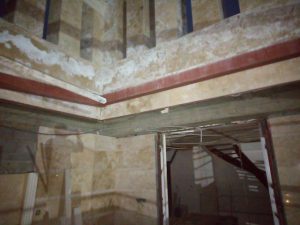
When it comes to residential home design, the exterior plays a vital role in enhancing its visual appeal and creating a lasting impression. Two key elements that significantly contribute to the aesthetics and functionality of a residential building are dry facade stone and windows. In this article, we will delve into the cost considerations associated with incorporating dry facade stone and windows into residential properties.
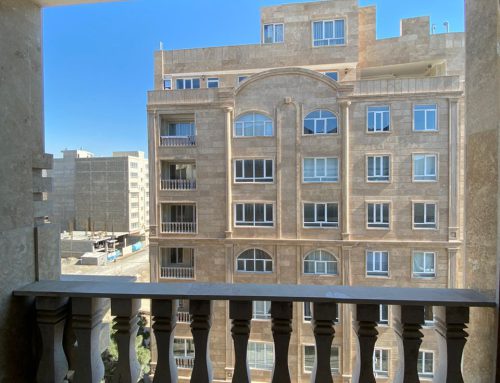
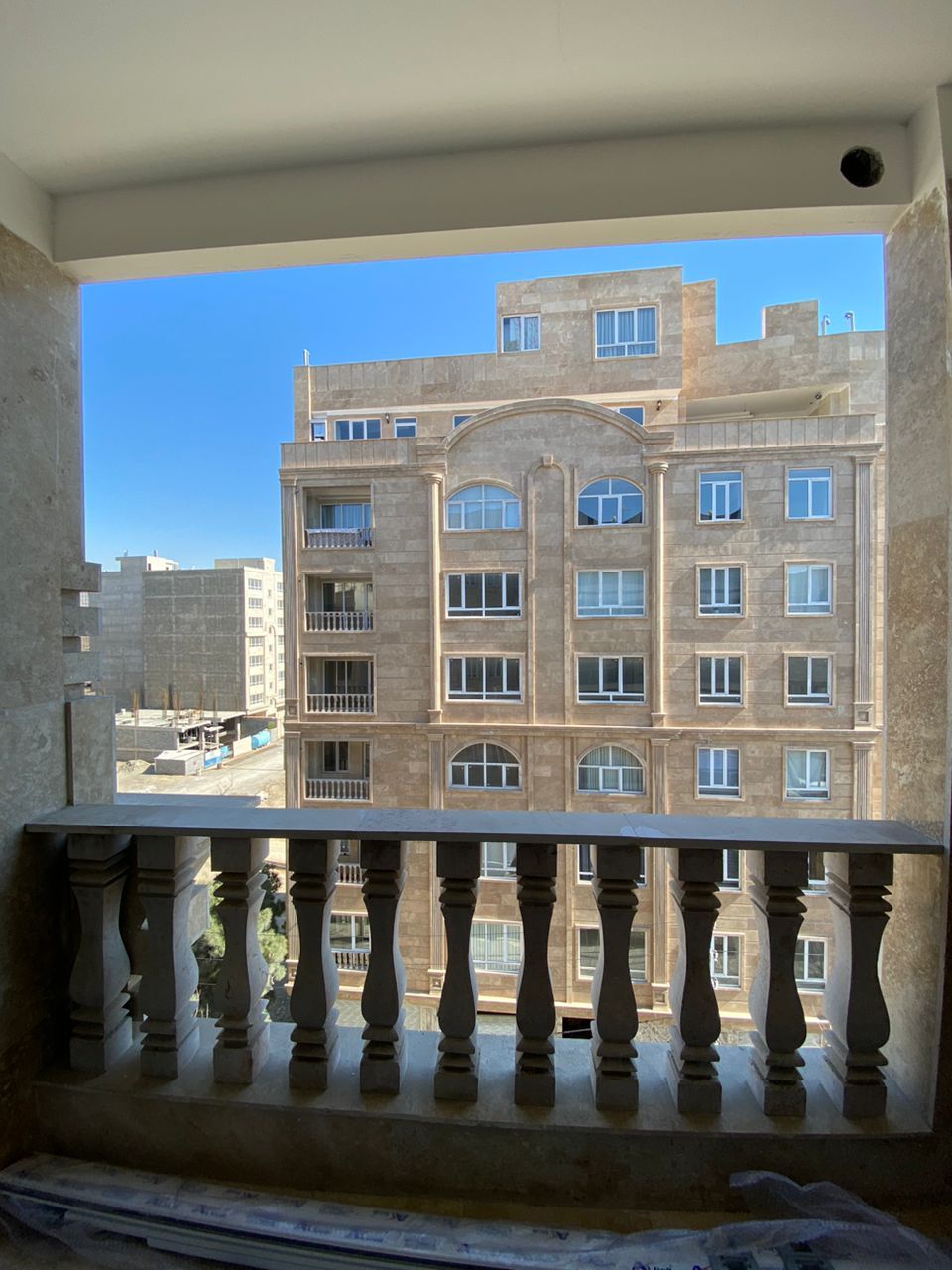
Dry Facade Stone: Dry facade stone, also known as veneer stone or cladding, is a popular choice among homeowners for its ability to mimic the appearance of natural stone at a more affordable price. It offers a wide range of design options and can transform the exterior of a house, adding elegance and character. When considering the cost of dry facade stone for residential use, several factors come into play:
- Material Selection: The cost of dry facade stone can vary depending on the type of material chosen. Common options include natural stone, manufactured stone, and cultured stone. Natural stone tends to be the most expensive, while manufactured and cultured stones offer more affordable alternatives without compromising on aesthetics.
- Stone Quality and Style: The quality and style of the stone also impact the overall cost. Premium-quality stones with unique textures and finishes tend to be pricier, while more standardized options are often more budget-friendly.
- Installation Complexity: The complexity of the installation process influences the cost of dry facade stone. Factors such as the size and shape of the stones, as well as the need for additional structural support, can affect the labor and installation expenses.
- Size of the Project: The total square footage of the area to be covered with dry facade stone directly affects the overall cost. Larger projects will naturally require more materials and labor, thus increasing the total expenses.
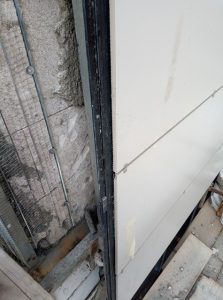
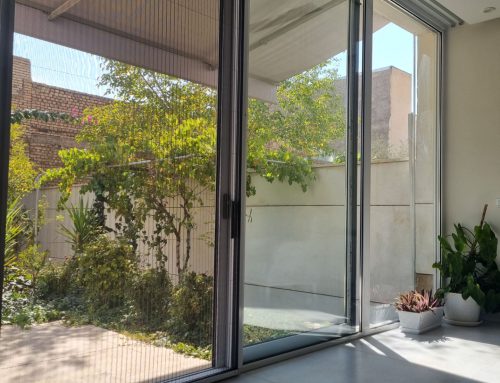
Windows for Residential Homes: Windows are essential for residential properties as they provide natural light, ventilation, and views while contributing to the overall architectural design. The cost of windows varies depending on several key factors:
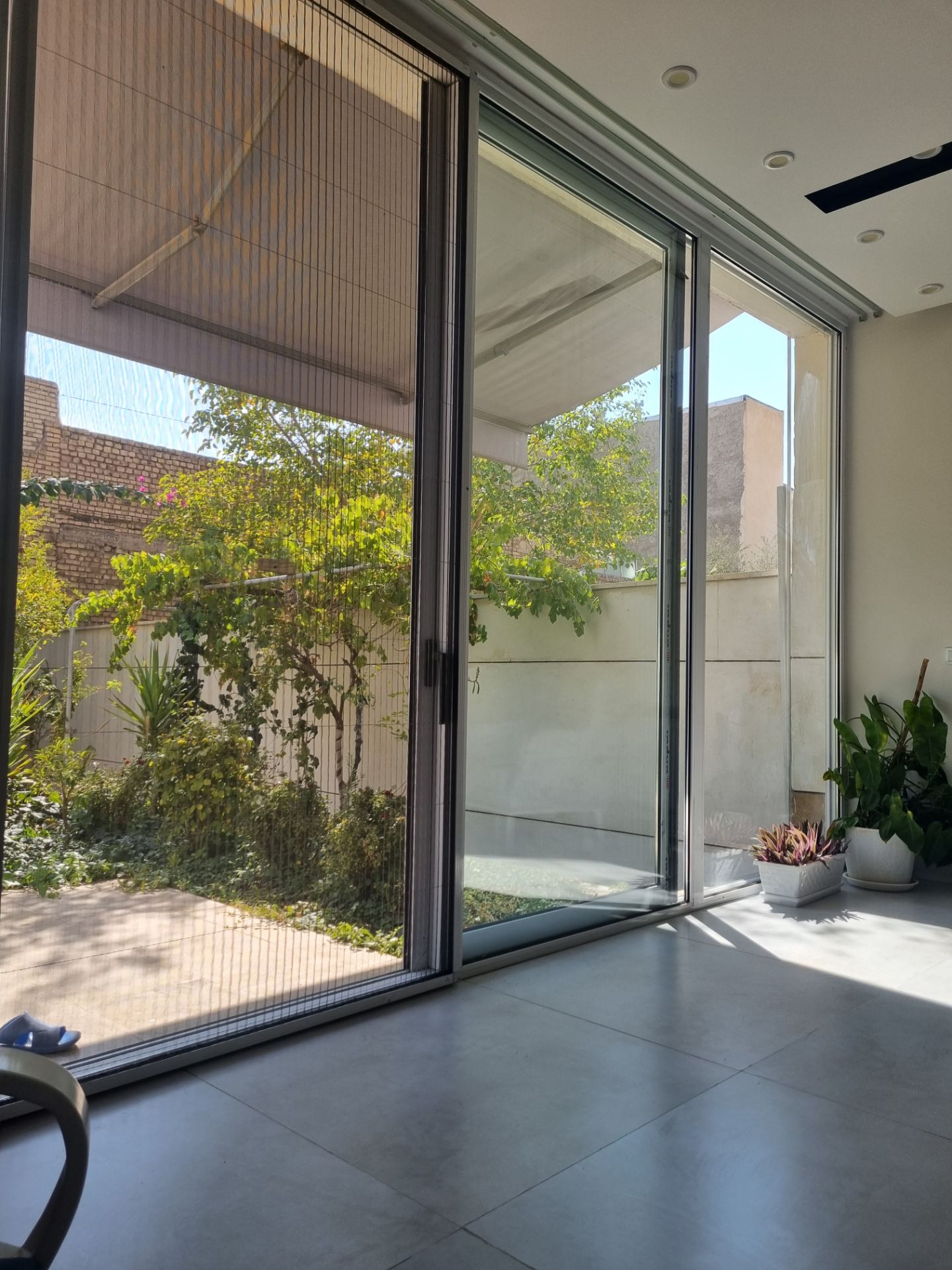
- Window Type: The type of windows chosen significantly impacts the cost. Common window types include single-hung, double-hung, casement, sliding, and picture windows. Each type has different price ranges based on factors such as materials, energy efficiency, and design complexity.
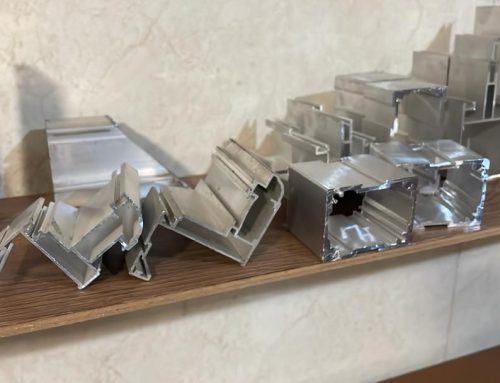
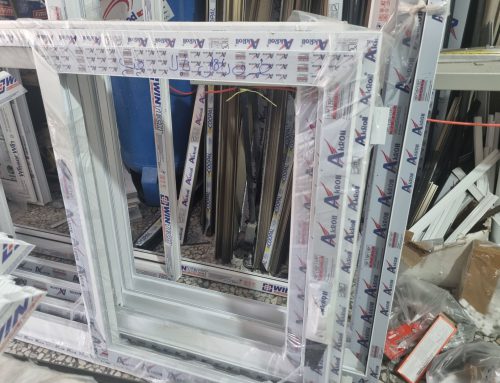
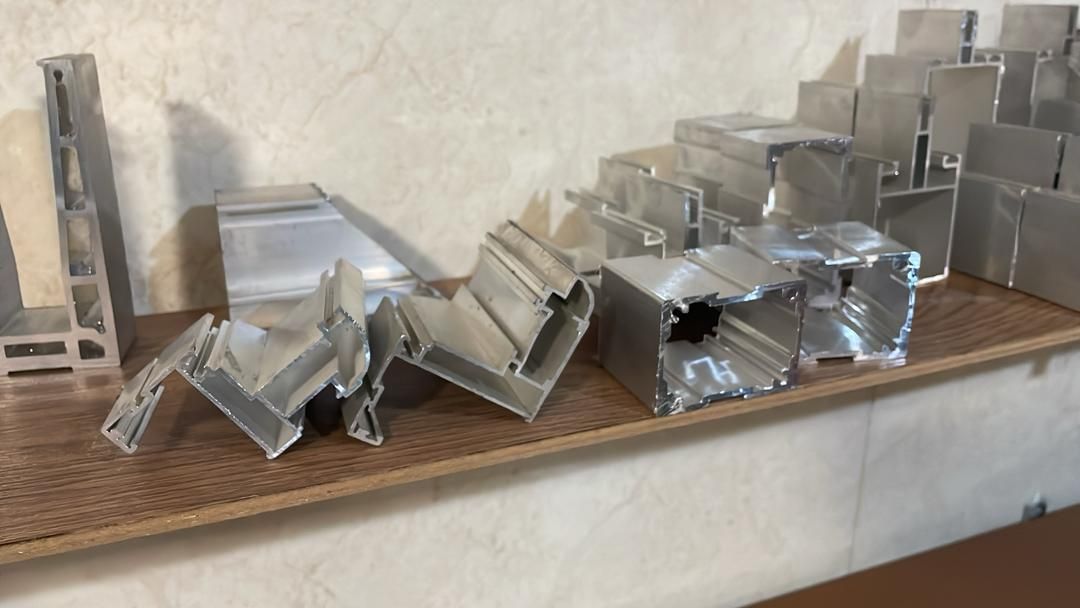
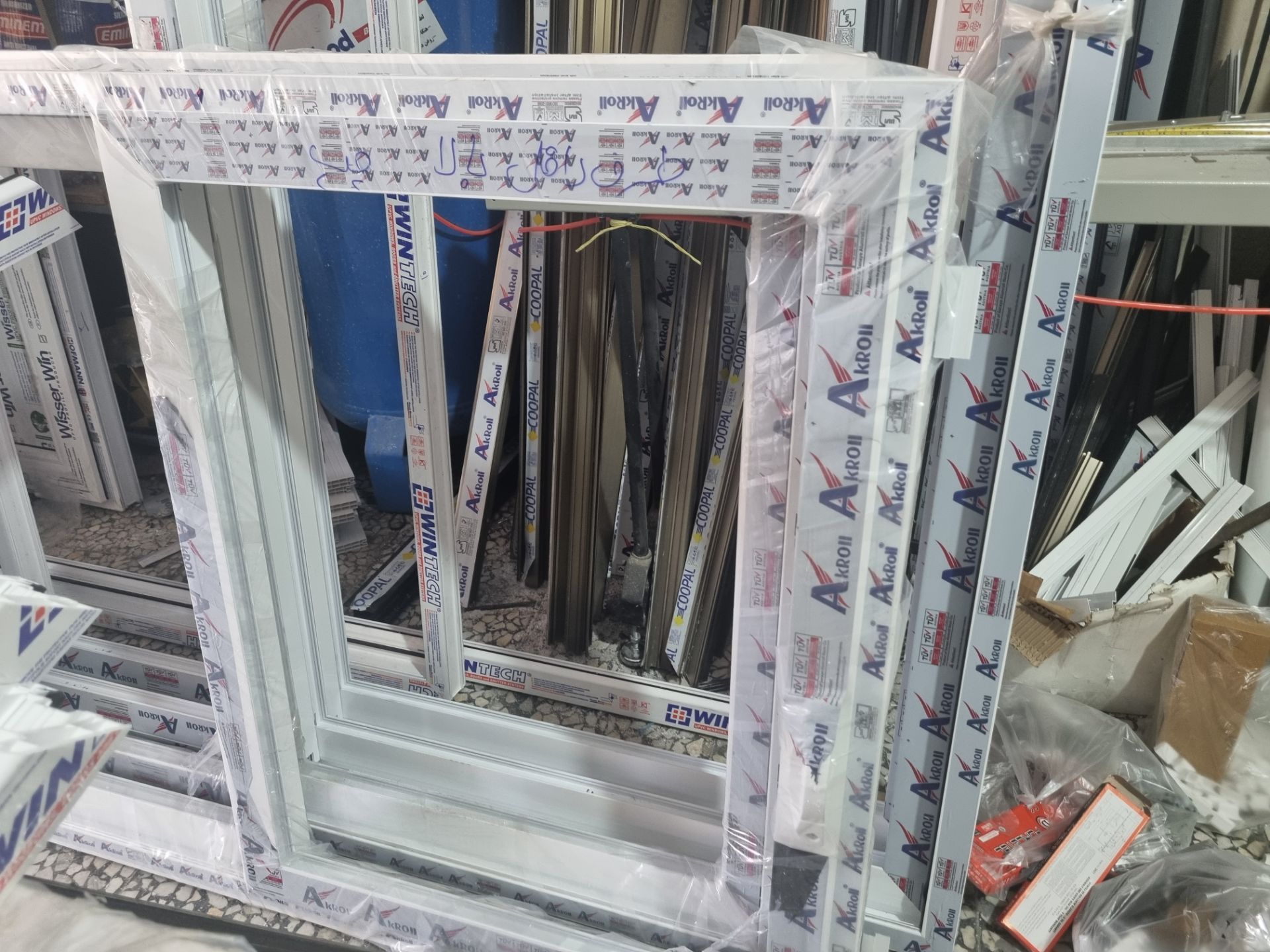
- Frame Material: Window frames can be made from various materials, including wood, vinyl, aluminum, and fiberglass. The material selection affects both the aesthetic appeal and the cost. Wood frames tend to be more expensive, while vinyl and aluminum frames are often more budget-friendly.
- Glazing Options: Energy-efficient windows with double or triple glazing are becoming increasingly popular. While they can be more expensive upfront, they offer long-term cost savings through improved insulation and reduced energy consumption.
- Window Size and Design: Larger windows or custom-designed windows usually come with a higher price tag due to the increased material and labor requirements. Unique shapes, such as arched or circular windows, may also contribute to the overall cost.
- Additional Costs: In addition to the primary cost considerations, there are a few additional expenses to keep in mind when budgeting for dry facade stone and windows in residential homes. These include:
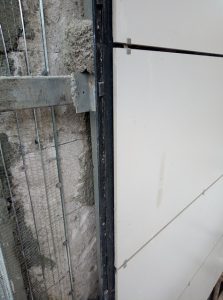
- Preparation and Site Work: Before installing dry facade stone or replacing windows, certain preparatory work may be necessary, such as removing existing siding or repairing the underlying structure. These costs should be factored into the overall budget.
- Permits and Regulations: Depending on your location, obtaining permits for exterior renovations or window replacements may be required. Be sure to research local regulations and budget for any associated fees.
- Maintenance and Upkeep: While dry facade stone is generally low-maintenance, it is essential to consider long-term upkeep costs. Periodic cleaning and potential repairs should be taken into account. Similarly, windows may require occasional maintenance, such as resealing or replacing weatherstripping.
- Seeking Multiple Quotes: To ensure a fair and accurate cost assessment, it is advisable to seek multiple quotes from reputable contractors or suppliers. This allows you to compare prices, evaluate different options, and select the most cost-effective solution that meets your aesthetic and functional requirements.
- Return on Investment: Incorporating high-quality dry facade stone and windows into your residential property can enhance its curb appeal and potentially increase its value. While the upfront costs may seem significant, it is essential to consider the long-term benefits and potential return on investment when making these improvements.
- Financing Options: If the upfront costs of dry facade stone and windows exceed your budget, various financing options may be available. These can include home improvement loans, lines of credit, or exploring government programs that promote energy-efficient upgrades. Carefully evaluate the terms and interest rates to determine the most suitable financing solution for your needs.
In conclusion
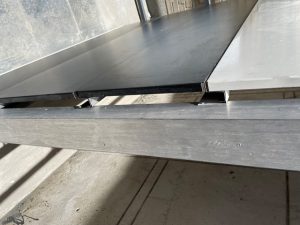
The cost of dry facade stone and windows for residential homes varies depending on factors such as materials, installation complexity, customization, and additional expenses. It is crucial to consider these factors and consult with professionals to ensure accurate cost estimates and a successful outcome. By investing in quality materials and professional installation, you can enhance the visual appeal, functionality, and value of your residential property, creating a beautiful and comfortable living space for years to come.

Leave A Comment