
Difference between window and curtain wall

When it comes to building design and architecture, windows and curtain walls play significant roles in determining the aesthetics, functionality, and energy efficiency of a structure. While they both serve as openings in a building’s facade, there are distinct differences between windows and curtain walls. Understanding these differences is crucial for architects, engineers, and even homeowners who want to make informed decisions regarding their construction or renovation projects.
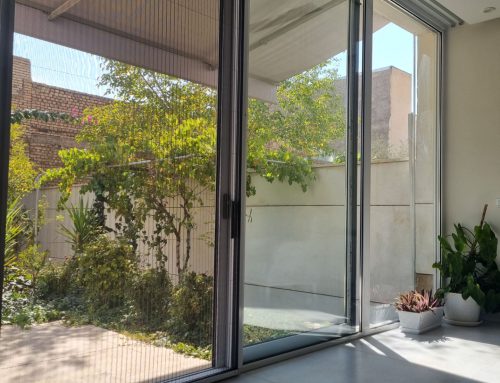
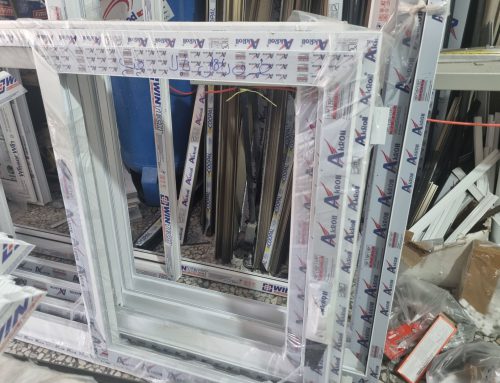
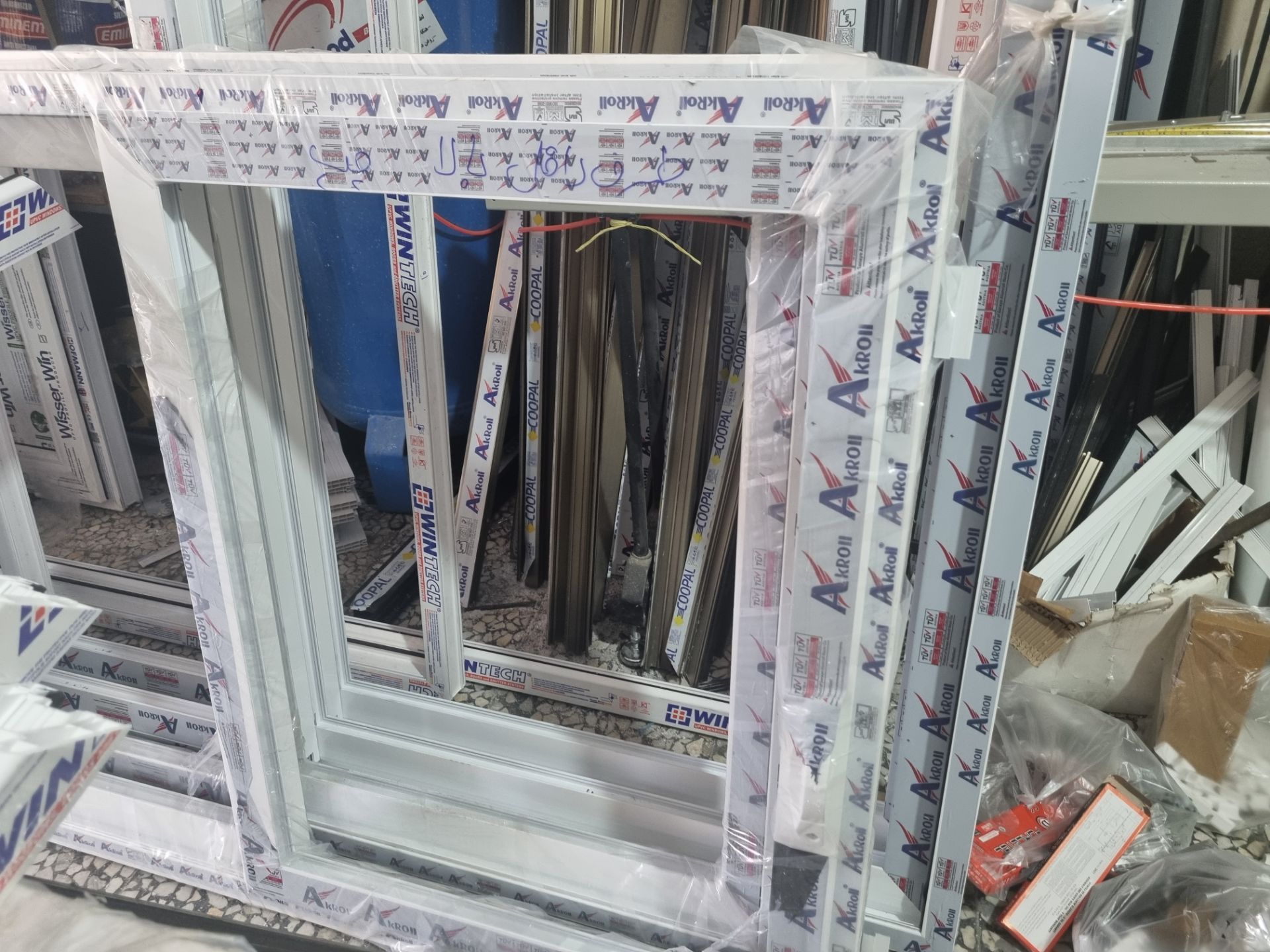
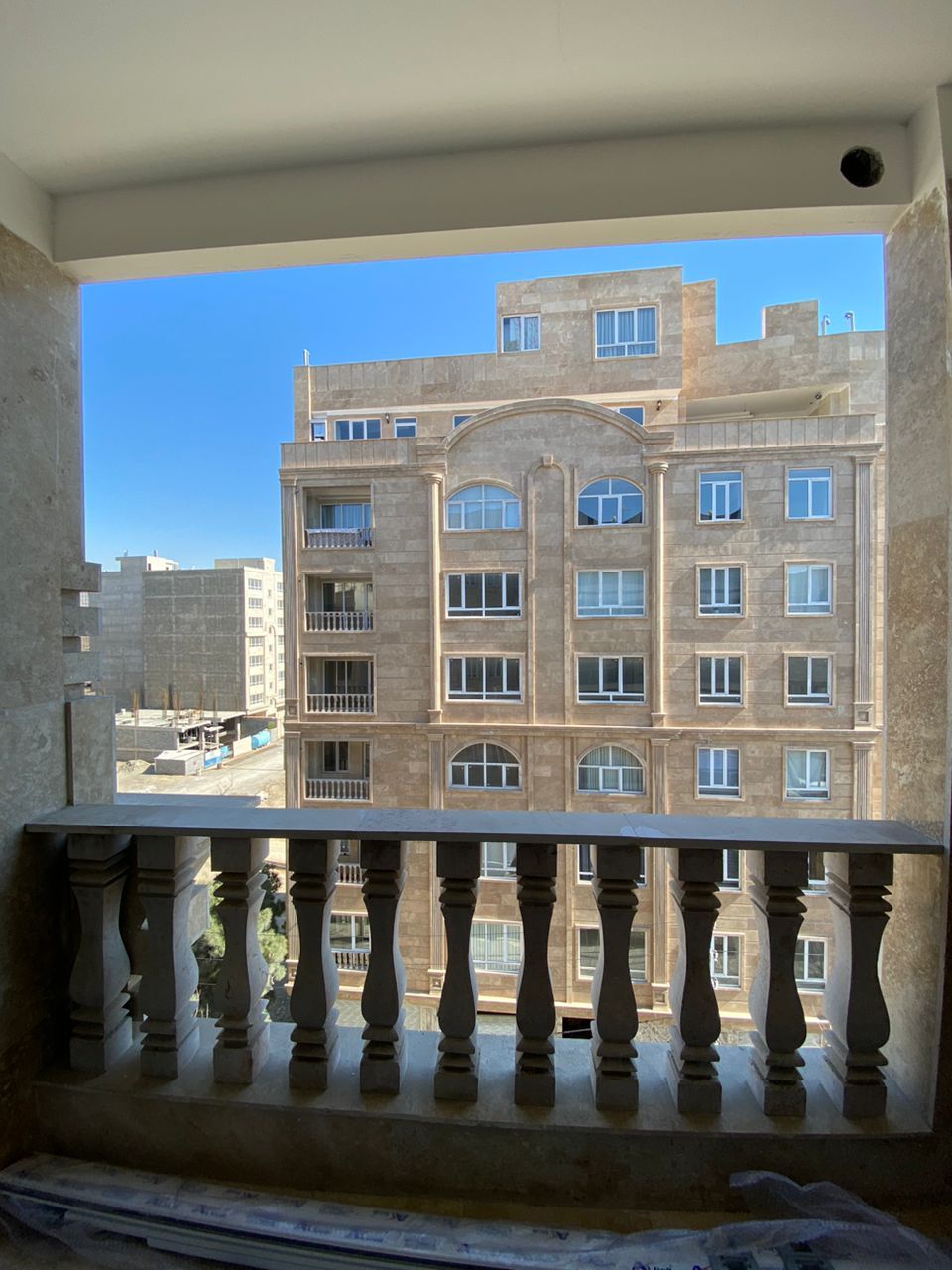
Windows are individual units that are installed into openings in the building envelope. They are typically made of materials such as wood, aluminum, or vinyl and consist of a frame that holds the glazing or glass. Windows provide several essential functions, including allowing natural light into the building, offering views to the outside, and facilitating ventilation. They are available in various styles, including casement, double-hung, sliding, and awning windows, each with its own operating mechanism and aesthetic appeal.
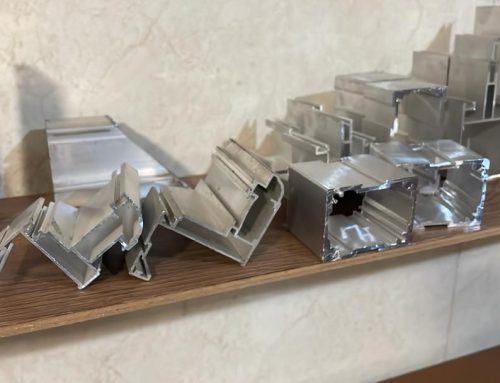
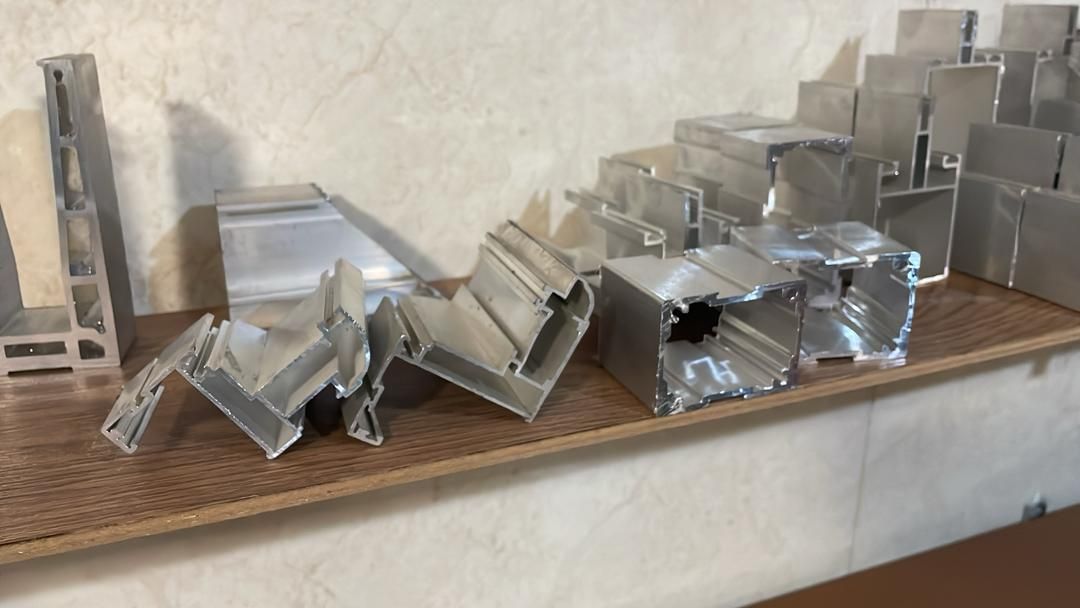
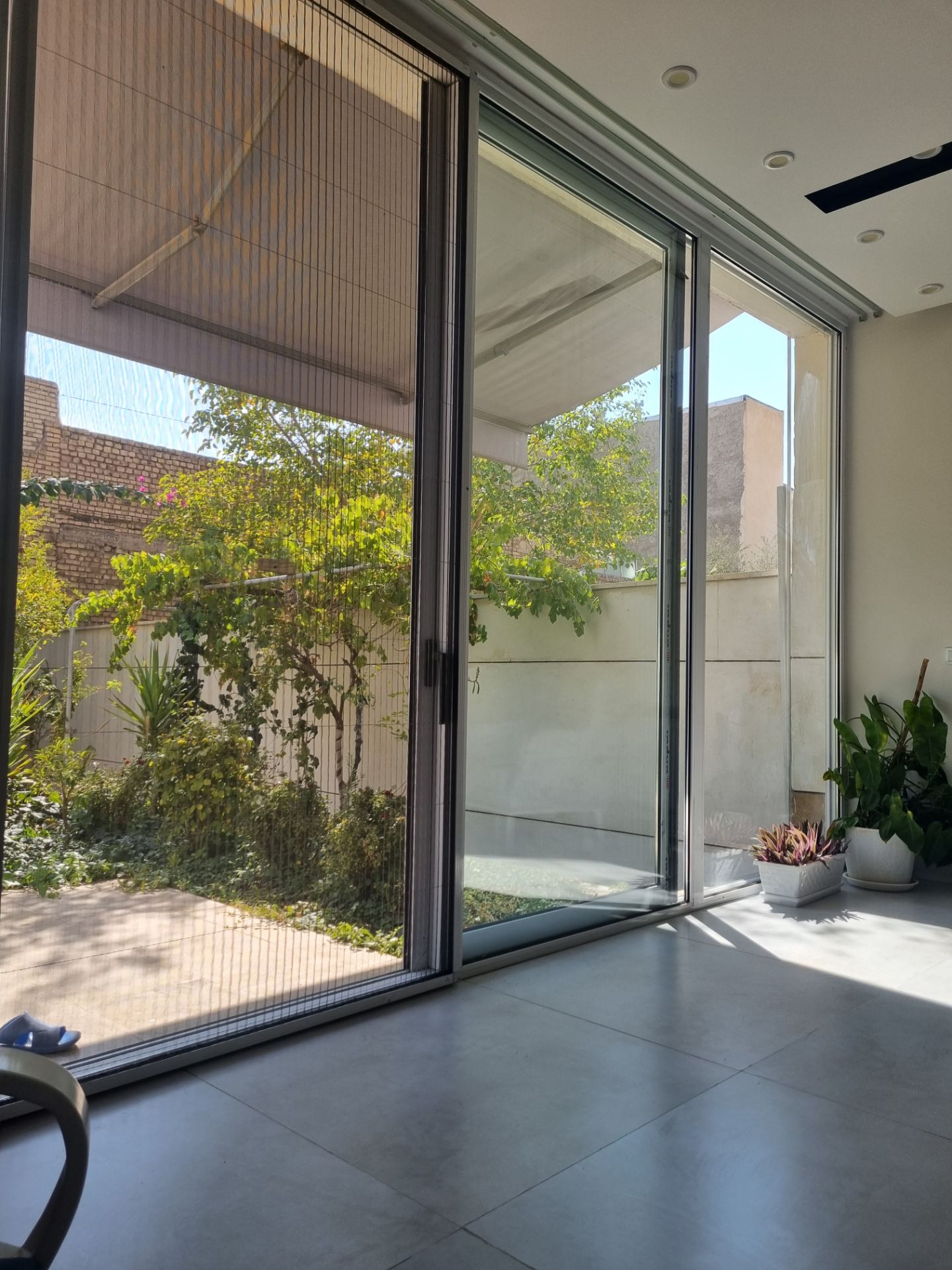
Curtain walls, on the other hand, are non-structural systems that are designed to span multiple floors of a building’s facade. They are typically constructed using lightweight materials, such as aluminum, steel, or glass, and consist of a framing system with infill panels, often made of glass or metal. Unlike windows, curtain walls do not support the weight of the building; instead, they transfer their load to the building’s structural framework. This allows for large expanses of glazing, creating a seamless and visually striking exterior.
One of the primary purposes of a curtain wall is to provide a protective barrier against the elements while allowing natural light to penetrate deep into the building’s interior. It also offers thermal insulation, soundproofing, and enhances the overall energy efficiency of the structure. Curtain walls can be customized in terms of size, shape, and appearance, allowing architects to achieve their desired design vision and create visually stunning facades.
Another key difference between windows and curtain walls is the installation method. Windows are installed individually, with each unit fitted into an individual opening in the building envelope. In contrast, curtain walls are assembled and installed as large sections or panels, covering a significant portion of the building’s facade. This assembly process requires careful coordination and precise engineering to ensure proper sealing, alignment, and structural integrity.

In terms of maintenance and repair, windows and curtain walls also differ. Windows are relatively easy to replace or repair, as each unit is independent of the others. If a window is damaged or needs upgrading, it can be replaced individually without affecting the rest of the building envelope. On the other hand, curtain walls require specialized expertise and careful planning for maintenance or repairs, as any work done on one section of the curtain wall may affect the adjacent sections. This complexity can make curtain wall repairs more time-consuming and costly compared to windows.
Furthermore, windows and curtain walls differ in terms of their cost implications. Windows, being individual units, are generally more affordable compared to curtain walls. They are available in a wide range of price points depending on factors such as materials, size, and energy efficiency ratings. This makes windows a more accessible option for residential buildings or smaller-scale commercial projects with budget constraints.
On the other hand, curtain walls tend to be more expensive due to their complex design, larger scale, and specialized installation requirements. The materials used in curtain walls, such as high-performance glass and lightweight metals, contribute to their higher cost. Additionally, the engineering and coordination involved in the installation of curtain walls can add to the overall expenses. However, it’s important to note that curtain walls often offer long-term benefits in terms of energy efficiency, durability, and aesthetic appeal, which can justify the higher initial investment.

Another significant aspect where windows and curtain walls differ is their structural implications. Windows are primarily installed within the structural framework of the building, and they rely on the surrounding walls for support. As such, the size and placement of windows may be limited by the structural requirements of the building, such as load-bearing considerations. The installation of windows typically involves cutting openings in the walls and ensuring proper sealing and insulation around the window frame.
In contrast, curtain walls are designed to be non-structural elements that transfer their load to the building’s primary structure through specialized support systems. This allows for more flexibility in terms of design possibilities and larger expanses of glazing. The structural framework of a curtain wall must be carefully engineered to accommodate the loads imposed by the wind, gravity, and other external forces. The integration of the curtain wall with the building’s structure is a critical aspect that requires expertise in structural engineering and architectural design.
Lastly, both windows and curtain walls contribute to the energy efficiency of a building, but in different ways. Windows can be a significant source of heat gain or loss, depending on their insulation properties and the quality of the glazing. Energy-efficient windows with low-emissivity coatings, multiple panes, and insulated frames can help reduce heat transfer and improve the thermal performance of a building.
Curtain walls, on the other hand, provide a larger area of glazing, allowing for increased natural light penetration and reduced reliance on artificial lighting during the day. They can also incorporate energy-efficient features such as solar control coatings, double or triple glazing, and thermally broken frames to minimize heat transfer. Additionally, curtain walls can integrate shading devices, such as sunshades or louvers, to further enhance energy efficiency by reducing solar heat gain.
In conclusion

While both windows and curtain walls serve as openings in a building’s facade, they differ significantly in terms of their design, installation method, maintenance requirements, cost implications, structural considerations, and energy efficiency characteristics. Architects, engineers, and building owners must carefully evaluate these differences and consider their specific project requirements to make informed decisions regarding the choice between windows and curtain walls. Ultimately, both elements contribute to the functionality, aesthetics, and performance of a building, and the optimal choice depends on factors such as architectural vision, budget, energy efficiency goals, and structural considerations.


Hello how can I get your number please call me.