
Dry facade design glass
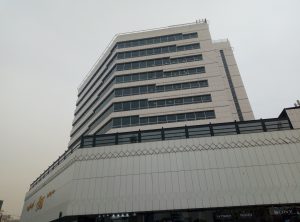
Introduction: Dry facade design has revolutionized the field of architecture, offering a range of benefits such as improved energy efficiency, enhanced aesthetics, and simplified construction processes. Among the various materials used in dry facade systems, glass stands out as a popular and versatile choice. Its transparency, adaptability, and aesthetic appeal make it a preferred option for architects and designers seeking to create visually stunning buildings. In this article, we will explore the fascinating world of dry facade design using glass, examining its benefits, applications, and the innovative techniques that have emerged in recent years.
The Advantages of Glass in Dry Facades:
- Visual Appeal: Glass possesses a timeless beauty that can transform buildings into architectural masterpieces. Its transparency allows natural light to flood the interior spaces, creating a sense of openness and connection to the surrounding environment.
- Energy Efficiency: The use of glass in dry facades enables buildings to maximize natural light, reducing the reliance on artificial lighting during daylight hours. Furthermore, advanced glass technologies, such as low-emissivity coatings and double-glazing, enhance thermal insulation, minimizing heat transfer and improving energy efficiency.
- Versatility: Glass offers endless design possibilities, allowing architects to create unique facades that complement the building’s overall aesthetic. It can be used in various forms, including clear, frosted, tinted, or textured glass, giving designers the freedom to achieve their desired visual effects.
Innovative Techniques in Glass Facade Design:
- Structural Glazing: This technique involves bonding glass panels to a building’s structure using specialized adhesives and structural silicone sealants. The result is a seamless, frameless appearance that enhances the building’s visual appeal. Structural glazing allows for larger glass expanses, creating a sense of openness and maximizing views.
- Point-Supported Glass Facades: Utilizing an intricate system of stainless steel bolts and fittings, point-supported glass facades provide a unique aesthetic while maintaining structural integrity. This technique allows for larger glass panels, further enhancing transparency and offering uninterrupted views.
- Double-Skin Facades: In double-skin facades, two layers of glass are separated by an air cavity, acting as insulation. This design optimizes energy efficiency by reducing heat gain or loss, providing thermal comfort to the building occupants. Additionally, the cavity can be used for ventilation or to incorporate shading elements, enhancing the facade’s performance.
Applications of Glass in Dry Facades:

- Commercial Buildings: Glass facades have become a popular choice for office buildings, shopping centers, and hotels. The sleek and modern appearance of glass can enhance the corporate image, while maximizing natural light creates a pleasant working or shopping environment.
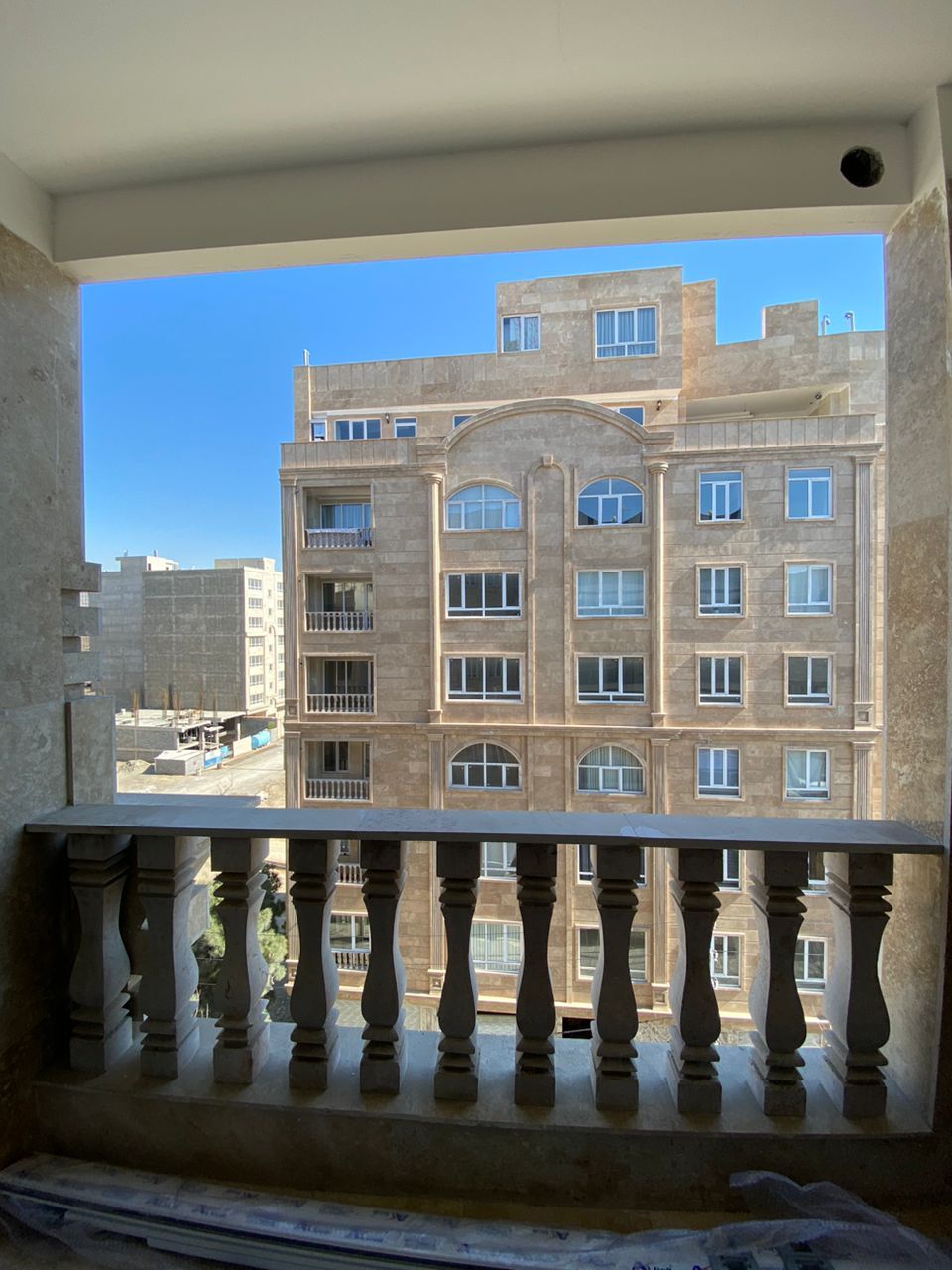
- Residential Architecture: Glass facades in residential buildings offer residents stunning views, abundant natural light, and a connection to the outdoors. The use of glass as a primary material can create contemporary and visually striking homes that integrate harmoniously with the surroundings.
- Institutional and Cultural Structures: Museums, galleries, and cultural centers often feature glass facades to create visually striking landmarks. The transparency of glass allows visitors to engage with the building’s interior and exhibits while serving as an architectural statement.
- Sustainable Design: Glass facades can contribute to sustainable design practices by maximizing natural lighting and reducing the need for artificial lighting during the day. This not only reduces energy consumption but also creates a healthier and more comfortable indoor environment. Additionally, the use of energy-efficient glass coatings and glazing systems further enhances the sustainability of glass facades by minimizing heat transfer and optimizing thermal insulation.
- Safety and Security: Glass used in dry facades is specially designed to meet safety and security requirements. Modern advancements in glass technology have led to the development of laminated and tempered glass that offers increased strength and durability. These glass types provide protection against impacts, breakage, and even acts of vandalism or forced entry.
- Maintenance and Durability: Glass facades, when properly maintained, have a long lifespan and require minimal upkeep. Regular cleaning and inspection ensure that the glass panels remain clear and free from debris or contaminants, maintaining their visual appeal. Furthermore, advancements in self-cleaning and low-maintenance glass coatings have made it easier to keep glass facades looking pristine.
- Integration with Building Systems: Glass facades can be seamlessly integrated with other building systems to enhance overall performance. For example, automated shading systems can be incorporated into the facade design to control solar heat gain, while ventilation systems can be integrated to ensure a constant supply of fresh air. These integrated systems improve energy efficiency, occupant comfort, and overall building performance.
- Iconic Landmarks: Glass facades have been used to create iconic architectural landmarks around the world. From the transparent, reflective surfaces of skyscrapers to the curvilinear forms of cultural institutions, glass facades have become synonymous with contemporary and innovative architectural design. These structures serve as symbols of creativity, technological advancements, and the transformative power of architecture.
Conclusion:
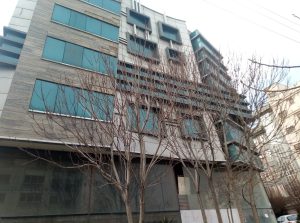
The use of glass in dry facade design has revolutionized the architectural landscape, offering unparalleled aesthetic appeal, energy efficiency, and design flexibility. With its ability to maximize natural light, create stunning visual effects, and adapt to various architectural styles, glass facades continue to shape the skylines of cities and redefine the way we experience buildings. As technology and design innovation continue to progress, we can anticipate even more exciting developments in glass facade design, further enhancing sustainability, safety, and integration with other building systems. The future of dry facade design with glass is poised to bring us more visually captivating, sustainable, and functionally superior architectural solutions.

Leave A Comment