
Curtain wall system PDF
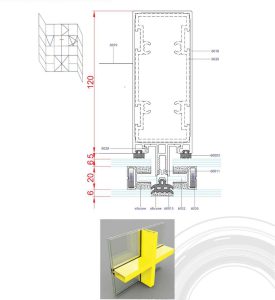
Introduction: In the realm of modern architecture, innovative design solutions have become paramount to meet the evolving needs of the built environment. One such solution that has gained significant popularity is the Curtain Wall System. This article explores the benefits and features of the Curtain Wall System PDF, offering a comprehensive understanding of this cutting-edge technology.
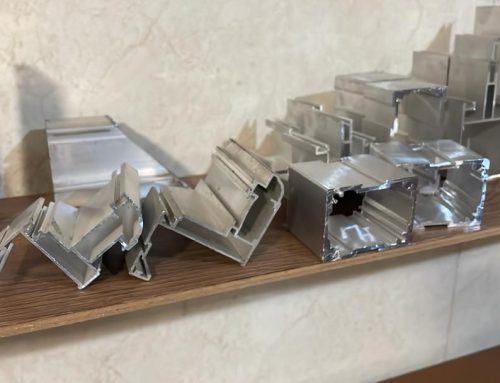
Understanding the Curtain Wall System: The Curtain Wall System is a non-structural, exterior cladding system that is primarily used in commercial and high-rise buildings. It is designed to resist air and water infiltration while providing thermal insulation, natural light, and aesthetic appeal to the structure. Curtain walls are typically made of lightweight materials such as aluminum, glass, and steel, which allow for versatility and creativity in architectural design.
The Role of PDF in Curtain Wall Systems: PDF (Pressure-Equalized Rain Screen System) is a key component of modern Curtain Wall Systems. It refers to a design principle that ensures the equalization of air pressure between the interior and exterior of the building envelope. This feature prevents the infiltration of water, reducing the risk of leaks and water damage.
Benefits of Curtain Wall System PDF:
- Weather Resistance: The PDF design principle in curtain walls offers superior protection against wind-driven rain, ensuring the building envelope remains watertight even in harsh weather conditions.
- Energy Efficiency: Curtain walls incorporating PDF technology provide enhanced thermal insulation, minimizing heat transfer between the interior and exterior. This improves energy efficiency by reducing heating and cooling loads.
- Aesthetic Appeal: Curtain walls create a seamless and visually striking facade, allowing for expansive glass surfaces that flood the interior spaces with natural light. The use of PDF technology further enhances the design by eliminating the need for visible drainage openings, giving the facade a clean and streamlined appearance.
- Flexibility and Customization: Curtain wall systems are highly flexible, enabling architects to experiment with various design elements, including glass types, colors, and patterns. PDF technology adds to this flexibility by allowing for the integration of different building materials and architectural features.
- Structural Integrity: While the Curtain Wall System itself is non-structural, it provides support and protection to the building envelope, preserving the structural integrity of the building. PDF technology ensures that the curtain wall remains a robust and durable solution.
Recent Advancements in Curtain Wall System PDF:
In recent years, there have been significant advancements in Curtain Wall System PDF technology, further enhancing its performance and functionality. Some notable developments include:
- Improved Insulation: To meet the growing demand for energy-efficient buildings, manufacturers have developed curtain wall systems with advanced insulation materials. These materials offer better thermal performance, reducing heat loss or gain through the facade and contributing to overall energy savings.
- Integrated Solar Technologies: With the increasing focus on sustainable design, curtain wall systems are now being integrated with solar technologies such as photovoltaic panels. These solar-integrated curtain walls not only provide the benefits of natural light but also generate renewable energy, contributing to the building’s sustainability goals.
- Dynamic Glazing Solutions: Dynamic glazing, also known as smart glass, is another innovative addition to curtain wall systems. This technology allows the glass panels to change their tint or transparency in response to external factors like sunlight or temperature. Dynamic glazing improves occupant comfort, reduces glare, and enhances energy efficiency by optimizing natural light and solar heat gain.
- Enhanced Safety and Security: Building occupants’ safety is always a priority, and curtain wall systems are continuously evolving to address security concerns. PDF technology is now being integrated with robust security measures, such as laminated glass and impact-resistant materials, to provide increased protection against forced entry or extreme weather events.
- Digital Integration and Monitoring: The advent of smart building technology has paved the way for the integration of curtain wall systems with digital monitoring and control systems. By connecting sensors and automation tools, building owners and facility managers can monitor the performance of the curtain wall, detect potential issues in real-time, and optimize its operation for energy efficiency and occupant comfort.
Future Trends and Possibilities:
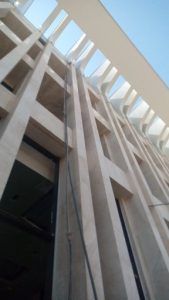
Looking ahead, there are several exciting trends and possibilities for the future of Curtain Wall System PDF technology:
- Advanced Sustainable Solutions: As sustainability continues to drive the construction industry, curtain wall systems will likely incorporate even more advanced sustainable features. This may include the integration of energy-generating technologies like Building Integrated Photovoltaics (BIPV), improved insulation materials, and the utilization of recycled or eco-friendly components.
- Interactive and Adaptive Facades: With advancements in materials and digital technologies, curtain walls could become interactive and adaptive. Imagine facades that respond to weather conditions, adjust transparency or patterns based on user preferences, or even incorporate interactive displays for augmented reality experiences.
- Health and Wellness Integration: The ongoing focus on occupant health and wellness may lead to the integration of features like biophilic design elements, natural ventilation systems, and air purification technologies within curtain wall systems. These enhancements would create healthier indoor environments and improve occupants’ overall well-being.
- Data-Driven Performance Optimization: The use of data analytics and artificial intelligence can enable curtain wall systems to continuously optimize their performance. By analyzing environmental data, occupancy patterns, and energy consumption, these systems can autonomously adjust their operation to maximize energy efficiency and occupant comfort.
Conclusion:
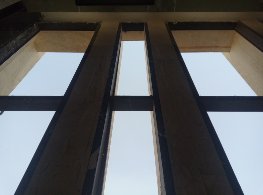
The Curtain Wall System PDF has become a game-changer in modern architecture, providing numerous benefits such as weather resistance, energy efficiency, aesthetic appeal, flexibility, and structural integrity. With ongoing advancements and future possibilities, this innovative technology is poised to shape the future of building facades. Architects, engineers, and manufacturers will continue to push the boundaries, incorporating sustainable features, digital integration, and adaptive capabilities into curtain wall systems, further revolutionizing the way buildings are designed and constructed.

Leave A Comment