
Custom Aluminium tubing

Introduction
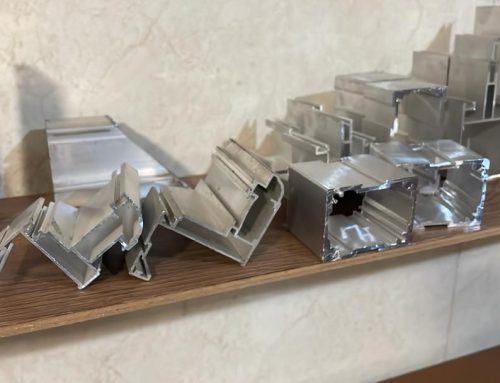
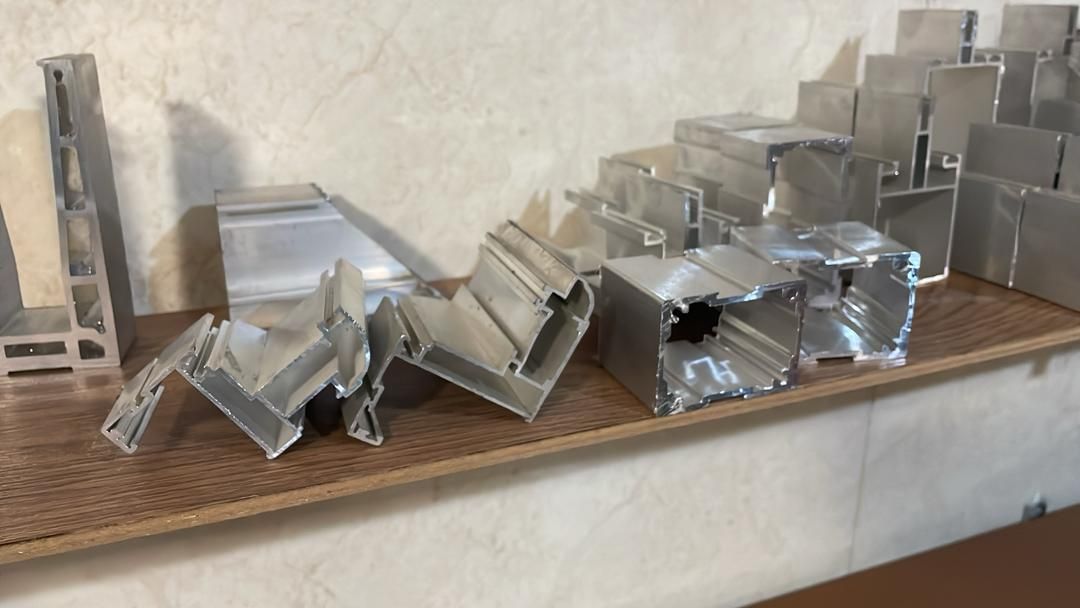
Custom aluminium tubing, known for its lightweight and corrosion-resistant properties, has become a preferred material in various industries. One of the most versatile forms of aluminum is custom aluminum tubing. Custom aluminum tubing offers endless possibilities for designers and engineers, allowing them to create solutions that meet specific requirements. In this article, we’ll delve into the world of custom aluminum tubing, exploring its uses, benefits, and the process of creating tailored solutions.
The Many Uses of Custom Aluminum Tubing
Custom aluminum tubing finds its applications across a wide range of industries due to its unique combination of properties:
- Aerospace: In the aerospace industry, where every ounce of weight matters, custom aluminum tubing is an essential component of aircraft structures. It’s used in everything from fuselages to landing gear, offering a balance of strength and weight savings.
- Automotive: Custom aluminum tubing is utilized for manufacturing components such as radiator tubes, air intake systems, and roll cages in high-performance vehicles. Its lightweight nature contributes to improved fuel efficiency and handling.
- Construction: The construction industry relies on custom aluminum tubing for scaffolding, handrails, and architectural elements due to its durability and resistance to corrosion. Its aesthetic appeal also makes it a popular choice for modern architectural designs.
- Medical Devices: In medical device manufacturing, custom aluminum tubing is used for creating components like surgical instruments, IV stands, and wheelchairs. Its biocompatibility and ease of sterilization are crucial in healthcare settings.
- Electronics: Aluminum tubing plays a vital role in the electronics industry, providing heat dissipation solutions for electronic components. It’s also used in the production of antennas and other specialized applications.
Benefits of Custom Aluminum Tubing
- Lightweight: Aluminum is significantly lighter than steel, making custom aluminum tubing an ideal choice when weight reduction is crucial. This attribute is particularly valuable in industries like aerospace and automotive.
- Corrosion Resistance: Aluminum naturally forms a protective oxide layer, which makes it highly resistant to corrosion. This property extends the lifespan of products and reduces maintenance costs.
- High Strength-to-Weight Ratio: Aluminum tubing can be engineered to provide excellent strength while maintaining a low overall weight. This characteristic is advantageous in applications where both strength and weight are critical.
- Customization: Perhaps the most significant advantage of custom aluminum tubing is its ability to be tailored to specific requirements. Engineers and designers can choose from a variety of alloys, shapes, sizes, and finishes to meet their exact needs.
The Process of Creating Custom Aluminum Tubing
The creation of custom aluminum tubing involves several essential steps:
- Material Selection: The choice of aluminum alloy is a critical first step, as different alloys offer varying properties. Common alloys include 6061, 6063, and 7075, each with unique characteristics.
- Extrusion: Aluminum billets are heated and forced through a die to create the desired shape. This process is known as extrusion and allows for the production of complex cross-sectional profiles.
- Heat Treatment: Depending on the alloy and intended application, heat treatment may be employed to enhance strength and hardness.
- Finishing: Custom aluminum tubing can be finished with various surface treatments, including anodizing, powder coating, or painting, to improve appearance and resistance to environmental factors.
- Cutting and Fabrication: The tubing is cut to the required lengths and may undergo further fabrication, such as bending or welding, to meet specific design requirements.
Innovations and Future Prospects
The realm of custom aluminum tubing is continually evolving, driven by advancements in manufacturing processes and engineering ingenuity. Here are a few innovations and future prospects to look forward to:
- Advanced Alloys: Researchers are continuously developing new aluminum alloys with improved properties, such as increased strength and heat resistance. These alloys will open up new possibilities for custom aluminum tubing applications, especially in demanding environments.
- Nanotechnology Integration: The integration of nanotechnology into aluminum tubing production holds the promise of creating materials with enhanced mechanical, thermal, and electrical properties. This could lead to breakthroughs in fields like electronics and energy storage.
- Sustainability: As sustainability becomes increasingly important, the aluminum industry is focusing on improving the environmental footprint of its products. Custom aluminum tubing manufacturers are exploring more eco-friendly production processes and recycling methods to reduce waste and energy consumption.
- Additive Manufacturing: The advent of additive manufacturing, or 3D printing, is revolutionizing the way custom aluminum tubing is produced. This technology allows for the creation of intricate and highly customized shapes, opening up new avenues for design and engineering.
- Multi-Material Integration: Custom aluminum tubing is often used in conjunction with other materials, such as composites or plastics. The integration of multiple materials can lead to hybrid structures with superior properties, especially in applications where weight reduction is paramount.
Challenges and Considerations
While custom aluminum tubing offers numerous advantages, it’s essential to be aware of some challenges and considerations when working with this material:
- Cost: Custom aluminum tubing can be more expensive upfront compared to other materials like steel or plastic. However, its long-term benefits, such as reduced maintenance costs and increased product lifespan, often justify the initial investment.
- Joining Methods: Depending on the application, joining aluminum tubing can pose challenges. Welding, for instance, requires specific skills and equipment. Engineers must carefully select the appropriate joining method to ensure structural integrity.
- Aluminum’s Conductivity: Aluminum is an excellent conductor of electricity and heat, which is advantageous in some applications but can be a drawback in others. Engineers must consider its thermal and electrical properties when designing systems involving custom aluminum tubing.
- Surface Finish Maintenance: While aluminum is naturally corrosion-resistant, maintaining its surface finish is crucial to prolong its life. Regular cleaning and proper finishing techniques are essential, particularly in applications exposed to harsh environments.
- Alloy Selection: Choosing the right aluminum alloy is critical to the success of any project. Each alloy has its own unique properties, and the wrong choice could lead to suboptimal performance or even failure.
The Global Impact
The widespread use of custom aluminum tubing has not only transformed industries but also has a significant impact on the global economy. Aluminum production generates millions of jobs worldwide, from mining and refining to manufacturing and distribution. Additionally, the lightweight nature of aluminum contributes to reduced energy consumption in transportation, further reducing greenhouse gas emissions.
Moreover, aluminum is highly recyclable, with a significantly lower energy requirement for recycling compared to primary production. This emphasis on sustainability is driving increased adoption of aluminum in various sectors.
Conclusion
Custom aluminum tubing has become an integral part of modern industry and innovation, offering a unique blend of strength, durability, and customization. Its applications span from aerospace to medical devices and electronics, touching nearly every aspect of our daily lives. As technology evolves and sustainability becomes a paramount concern, custom aluminum tubing will continue to play a pivotal role in shaping the future of manufacturing and engineering.
As we look ahead, innovations in aluminum alloys, production methods, and integration with other materials will expand the possibilities even further. Custom aluminum tubing is not just a material; it’s a symbol of human ingenuity and our ability to create solutions that are both practical and sustainable in an ever-changing world, Custom aluminium tubing, Custom aluminium tubing.





Leave A Comment