
Aluminum Rectangular Tubing
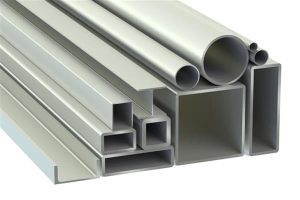
When it comes to building structures, whether for architectural marvels or industrial applications, the choice of materials plays a crucial role in determining the outcome. One versatile material that has gained significant popularity is aluminum, and specifically, aluminum rectangular tubing. This versatile and lightweight building material offers numerous advantages, making it a top choice for a wide range of projects. In this article, we will explore the sizes, features, and advantages of aluminum rectangular tubing.
Sizes of Aluminium Rectangular Tubing
Aluminium rectangular tubing comes in a variety of sizes, allowing for flexibility and customization in various applications. The dimensions of rectangular tubing are typically specified in terms of width and height, with the thickness of the walls also varying to suit specific requirements. Common sizes of aluminum rectangular tubing include:
- 1″ x 2″: This size is often used in smaller-scale projects or as framework for lightweight structures.
- 2″ x 3″: Slightly larger and sturdier, this size is suitable for a wide range of applications, from support beams to DIY projects.
- 3″ x 4″: This size is commonly used in larger construction and industrial projects, offering increased load-bearing capacity.
- 4″ x 6″: Reserved for heavy-duty applications, this size can support substantial loads and is often used in construction and engineering projects.
- Custom Sizes: In addition to these standard sizes, aluminum rectangular tubing can be custom-made to meet specific project requirements. Customization allows architects and engineers to achieve their design goals precisely.
Features of Aluminium Rectangular Tubing
Aluminum rectangular tubing possesses several key features that make it an attractive choice for builders and manufacturers alike:
- Lightweight: One of the most significant advantages of aluminum is its low density. Aluminum rectangular tubing is remarkably lightweight, making it easy to handle, transport, and install. This feature is especially beneficial for applications where weight is a concern, such as in aerospace or transportation.
- Corrosion Resistance: Aluminum naturally forms a protective oxide layer when exposed to air, which helps prevent corrosion. This resistance to rust and deterioration makes aluminum rectangular tubing ideal for outdoor and marine applications.
- High Strength-to-Weight Ratio: Despite its lightweight nature, aluminum is remarkably strong. Aluminum rectangular tubing offers an impressive strength-to-weight ratio, making it suitable for structural applications that require both durability and minimal weight.
- Ease of Machining: Aluminium is a highly malleable metal, allowing for easy machining, cutting, and shaping. This feature simplifies the fabrication process, making it cost-effective and efficient.
- Aesthetic Appeal: Aluminum has a sleek, modern appearance that lends itself well to architectural and design applications. Its clean lines and finish make it a favored choice for both functional and aesthetic purposes.
Advantages of Aluminium Rectangular Tubing
The numerous advantages of aluminum rectangular tubing contribute to its popularity in various industries:
- Durability: Aluminum’s resistance to corrosion and the elements ensures the longevity of structures and products made from it.
- Cost-Effective: Aluminum’s long lifespan and minimal maintenance requirements translate into cost savings over time.
- Environmental Friendliness: Aluminum is a fully recyclable material, making it an eco-friendly choice for sustainable construction and manufacturing practices.
- Design Versatility: Aluminum rectangular tubing can be easily integrated into diverse architectural and engineering designs, allowing for creativity and innovation.
- Safety: Its strength and low weight make aluminum tubing an excellent choice for safety-critical applications such as scaffolding, guardrails, and transportation components.
Applications of Aluminum Rectangular Tubing
The versatility of aluminum rectangular tubing is reflected in its wide range of applications across various industries:
- Construction: Aluminum rectangular tubing finds extensive use in the construction industry. It is employed in the creation of architectural features like curtain walls, handrails, and support structures. Its corrosion resistance is especially beneficial in outdoor applications, ensuring the longevity of structures in diverse climates.
- Transportation: The lightweight nature of aluminum makes it an ideal choice for the transportation industry. It is commonly used in the manufacture of lightweight vehicles, trailers, and aerospace components. Aluminum’s strength-to-weight ratio contributes to fuel efficiency and performance in automobiles and aircraft.
- Manufacturing: Aluminum rectangular tubing is a go-to material for manufacturing processes due to its ease of machining and forming. It is used in the production of machinery frames, conveyor systems, and equipment components.
- Marine: Aluminum’s resistance to saltwater corrosion makes it indispensable in marine applications. Boat manufacturers use it for hulls, masts, and other components that are exposed to harsh marine environments.
- Architectural Design: Architects appreciate aluminum for its aesthetic appeal and design flexibility. It is used in modern building designs, interior structures, and facades, offering a sleek and contemporary look.
- Sustainability: As sustainability becomes a paramount concern, aluminum’s recyclability is a significant advantage. It can be recycled repeatedly without losing its properties, making it an eco-friendly choice for green building and manufacturing practices.
- DIY and Hobby Projects: Aluminum rectangular tubing is also a popular choice for DIY enthusiasts and hobbyists. Its ease of handling and versatility allow for creative projects ranging from custom furniture to home improvement tasks.
Maintaining and Working with Aluminum Rectangular Tubing
While aluminum rectangular tubing offers numerous advantages, it’s essential to understand how to work with and maintain this versatile material effectively. Here are some key considerations:
1. Cutting and Fabrication: Aluminum is relatively easy to cut and shape. Common methods for cutting aluminum tubing include sawing, shearing, or using specialized CNC machines. Be sure to use appropriate cutting tools and safety equipment to ensure precise cuts.
2. Welding and Joining: Aluminum can be welded using various methods, including TIG (Tungsten Inert Gas) and MIG (Metal Inert Gas) welding. Proper welding techniques are crucial to maintain the structural integrity of the tubing. Consult with a professional if you are not experienced in aluminum welding.
3. Surface Finish: Aluminum tubing can be finished with a variety of surface treatments, including anodizing, painting, or powder coating. These treatments not only enhance aesthetics but also provide additional protection against corrosion.
4. Maintenance: While aluminum is corrosion-resistant, it’s essential to perform regular maintenance in corrosive environments. Inspect for any signs of damage or corrosion, and clean the surface as needed to remove dirt and contaminants.
5. Fastening: When fastening components to aluminum rectangular tubing, consider using aluminum-compatible hardware or fasteners. This helps prevent galvanic corrosion, which can occur when dissimilar metals come into contact.
6. Design Considerations: When designing structures or products with aluminum rectangular tubing, factor in the thermal expansion and contraction of aluminum due to temperature changes. This can help prevent issues like warping or stress fractures.
7. Load Calculations: Ensure that your design accounts for the intended load-bearing capacity of the aluminum tubing. Engineers often perform structural calculations to determine the appropriate size and thickness of tubing required for specific applications.
8. Environmental Impact: Aluminum’s sustainability is one of its significant advantages. When disposing of aluminum waste or scrap, consider recycling options to minimize its environmental impact and reduce resource consumption.
9. Safety: Safety should always be a top priority when working with any materials, including aluminum. Wear appropriate personal protective equipment (PPE), follow safety guidelines, and seek professional assistance if you are unsure about any aspect of handling aluminum tubing.
Conclusion
Aluminum rectangular tubing stands as a testament to the adaptability and utility of aluminum as a construction material. Its diverse range of sizes, impressive features, and myriad advantages make it an attractive option for professionals and hobbyists alike. From supporting towering skyscrapers to adding a modern touch to interior spaces, aluminum rectangular tubing continues to play a crucial role in shaping the world around us.
As industries evolve and sustainability becomes increasingly important, the demand for lightweight, durable, and eco-friendly materials like aluminum will only continue to grow. This remarkable material has, and will continue to, shape our world in ways that are both functional and visually appealing, reaffirming its place as a cornerstone of modern construction and manufacturing. Whether you’re planning a grand architectural project or a small DIY endeavor, consider the benefits of aluminum rectangular tubing for your next venture. Its versatility and advantages may just be the key to your project’s success.






Leave A Comment