
curtain wall profile
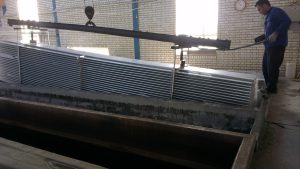
Curtain walls are a type of non-structural facade system that are widely used in modern building design. They are typically made up of a series of panels that are connected to an underlying structure using various types of support systems. The profile of the curtain wall is a critical component of its design, as it determines how the system will interact with the surrounding environment, as well as how it will perform in terms of structural stability, thermal efficiency, and other key factors.
In this article, we will take a closer look at curtain wall profiles, including their key characteristics, the different types of profiles that are available, and the factors that designers should consider when selecting a profile for their project.
What is a Curtain Wall Profiles?
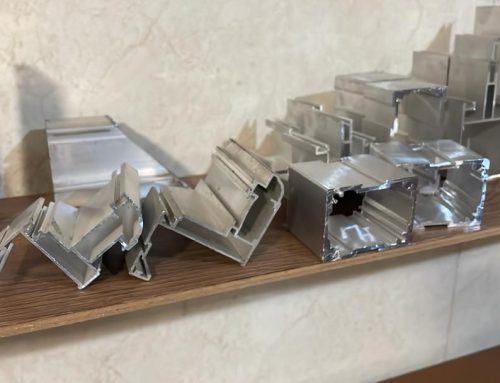
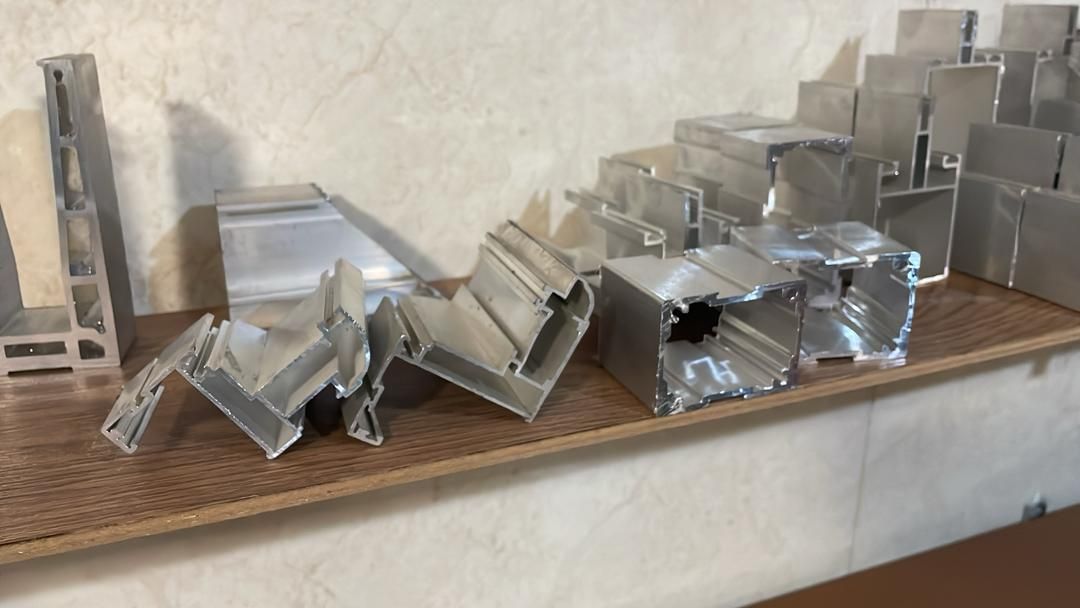
A curtain wall profile is essentially the cross-section of a curtain wall system. It describes the shape and dimensions of the various components that make up the system, including the framing, glazing, and other elements. The profile is a critical component of the design of a curtain wall, as it determines how the system will perform in terms of structural stability, thermal efficiency, and other key factors.
The profile of a curtain wall is typically made up of several different layers or components, including framing members, infill materials, and glazing. The framing members are usually made of aluminum or steel and are designed to support the weight of the system and resist wind loads. The infill materials are typically glass, but can also include other materials such as metal panels or stone. The glazing is the material that covers the infill and is responsible for providing transparency and protecting the building from the elements.
Types of Curtain Wall Profiles
There are several different types of curtain wall profiles that are commonly used in modern building design. The most common types include stick-built systems, unitized systems, and point-supported systems.
Stick-Built Systems
Stick-built systems are the most traditional type of curtain wall system and are typically used in low to mid-rise buildings. They are assembled on site using individual components, such as framing members and glazing panels, that are installed piece by piece. The components are usually prefabricated in a factory and then shipped to the job site, where they are assembled and installed by a team of workers.
Unitized Systems
Unitized systems are a more modern type of curtain wall system that are typically used in high-rise buildings. They are assembled off-site in a factory and then shipped to the job site as preassembled units. This allows for faster installation and can reduce the overall cost of the project. Unitized systems are typically made up of larger panels than stick-built systems, which can result in a more streamlined appearance.
Point-Supported Systems
Point-supported systems are a relatively new type of curtain wall system that are typically used in buildings with unique or complex geometries. They are characterized by the use of large glass panels that are supported by a series of point connections. These connections can be made using cables, rods, or other types of structural supports. Point-supported systems are highly customizable and can be used to create complex shapes and forms.
Factors to Consider When Selecting a Curtain Wall Profile
When selecting a curtain wall profile for a building project, there are several factors that designers should consider. These factors include the performance requirements of the system, the aesthetic goals of the design, and the budget and timeline for the project.
Performance Requirements
One of the most important factors to consider when selecting a curtain wall profiles is the performance requirements of the system. This includes factors such as structural stability, thermal efficiency, and sound insulation.
Different types of curtain wall profiles will perform differently in these areas, so it is important to select a profile that is appropriate for the specific needs of the project.
Aesthetic Goals
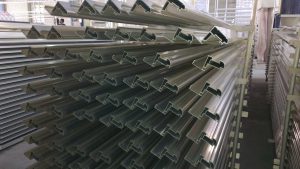
The aesthetic goals of the design are another important factor to consider when selecting a curtain wall profile. The profile of a curtain wall can have a significant impact on the overall appearance of a building, so it is important to select a profile that is consistent with the design vision for the project. This may include factors such as the color and finish of the framing, the shape and size of the glazing panels, and the overall style of the system.
Budget and Timeline
Finally, the budget and timeline for the project are important factors to consider when selecting a curtain wall profile. Some types of profiles may be more expensive than others, or may require longer lead times for fabrication and installation. It is important to balance the desired performance and aesthetic goals of the project with the available budget and timeline to ensure that the final result is both functional and cost-effective.
Conclusion
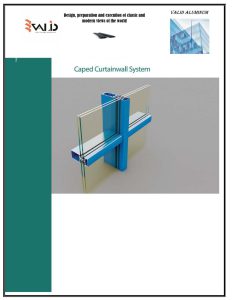
The profile of a curtain wall is a critical component of its design and performance. There are several different types of profiles available, each with their own unique characteristics and benefits. When selecting a curtain wall profile for a building project, designers should consider factors such as performance requirements, aesthetic goals, and budget and timeline. By carefully selecting the right profile for their project, designers can create a curtain wall system that is both functional and visually appealing.

Leave A Comment