
Curtain wall cost tailandia
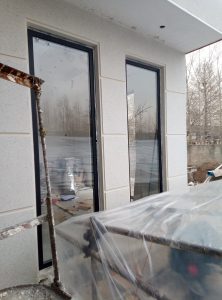
Curtain walls are becoming increasingly popular in the construction industry as an aesthetically pleasing and functional way to enclose buildings. A curtain wall system is an exterior wall that does not support the load of the building but rather is attached to the building’s structural frame. Curtain walls are typically made up of lightweight materials such as aluminum and glass, which make them an attractive option for architects and developers.
One country where curtain walls are becoming more common is Thailand. Thailand’s construction industry has been growing rapidly over the past few decades, and the use of curtain walls has increased in response to this growth. However, as with any construction material, there are costs associated with using curtain walls in Thailand.
In this article, we will explore the costs associated with curtain walls in Thailand. We will examine the factors that affect the cost of curtain walls in Thailand, as well as the benefits and drawbacks of using this construction material.
Factors that Affect the Cost of Curtain Walls in Thailand
There are several factors that can affect the cost of curtain walls in Thailand. These factors include:
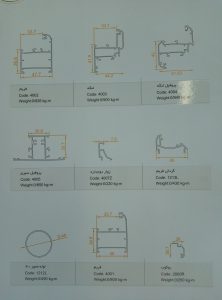
Type of Material: The type of material used to construct the curtain wall will affect the cost. Aluminum is the most common material used for curtain walls in Thailand, as it is lightweight, strong, and easy to work with. However, there are other materials that can be used such as steel, wood, and even composite materials, which can impact the cost of the project.
Glass Type: The type of glass used in the curtain wall will also impact the cost. There are various types of glass available, including tempered, laminated, and insulated glass. The type of glass used will depend on the desired level of insulation, security, and aesthetics.
Size of the Project: The size of the project will also affect the cost of the curtain wall. Larger projects will require more materials and labor, which will drive up the cost.
Location: The location of the project can also affect the cost of the curtain wall. Projects located in urban areas with high demand for construction may have higher costs than projects located in rural areas.
Complexity of the Design: The complexity of the curtain wall design can also affect the cost. More intricate designs may require more time and effort to construct, driving up the cost.
Benefits of Curtain Walls in Thailand
There are several benefits to using curtain walls in Thailand. These benefits include:
Energy Efficiency: Curtain walls can help to increase the energy efficiency of a building. By using insulated glass, curtain walls can help to reduce heating and cooling costs, making them a cost-effective solution for many building owners.

Aesthetics: Curtain walls can help to create a modern and sleek appearance for buildings. They are often used in commercial buildings such as shopping malls and hotels to create an inviting and attractive appearance.
Durability: Curtain walls are made from durable materials such as aluminum and glass, which can withstand harsh weather conditions and last for many years.
Natural Light: Curtain walls allow natural light to enter the building, which can improve the indoor environment and reduce the need for artificial lighting.
Drawbacks of Curtain Walls in Thailand
While there are many benefits to using curtain walls in Thailand, there are also some drawbacks to consider. These drawbacks include:
Cost: Curtain walls can be expensive to install, especially for larger projects. The cost of materials and labor can add up quickly, making them a less attractive option for some building owners.
Maintenance: Curtain walls require regular maintenance to keep them looking and functioning properly. This can add to the cost of ownership over time.
Noise: Curtain walls may not provide the same level of sound insulation as traditional walls, which can be a concern in noisy urban areas.
the same level of security as traditional walls. While tempered or laminated glass can provide some level of security, they may still be vulnerable to break-ins or vandalism.
Limited Flexibility: Once a curtain wall is installed, it can be difficult to make changes or modifications to the building’s layout or design. This can be a concern for building owners who may need to make changes to their buildings over time.
Overall, while there are some drawbacks to using curtain walls in Thailand, the benefits may outweigh the costs for many building owners. The increased energy efficiency, durability, and aesthetics of curtain walls can make them an attractive option for commercial buildings in particular.
Costs of Curtain Walls in Thailand
The cost of curtain walls in Thailand can vary widely depending on the factors mentioned above. However, according to industry experts, the cost of curtain walls in Thailand can range from 8,000 to 15,000 baht per square meter. This includes the cost of materials and labor, as well as any design and engineering fees.
It is worth noting that the cost of curtain walls in Thailand may be slightly lower than in other countries due to the lower cost of labor and materials. However, the cost of imported materials such as glass may offset some of these savings.
In addition to the initial cost of installation, building owners should also consider the ongoing costs of maintenance and repair. Regular cleaning and maintenance can help to extend the life of the curtain wall and prevent costly repairs down the line.
Conclusion
Curtain walls are becoming an increasingly popular option for building owners and developers in Thailand. While there are some drawbacks to using curtain walls, the benefits of increased energy efficiency, durability, and aesthetics may make them an attractive option for many commercial buildings.
When considering the cost of curtain walls in Thailand, building owners should consider factors such as the type of material, glass type, project size, location, and complexity of the design. The initial cost of installation may be high, but building owners should also consider the ongoing costs of maintenance and repair.
Ultimately, the decision to use curtain walls in Thailand will depend on a variety of factors, including the building owner’s budget, design preferences, and long-term goals for the building. With careful consideration of the costs and benefits, however, curtain walls can be a worthwhile investment for many building owners in Thailand.
curtain wall cost tailandia
curtain wall cost tailandia

Leave A Comment