
Curtain Wall price list
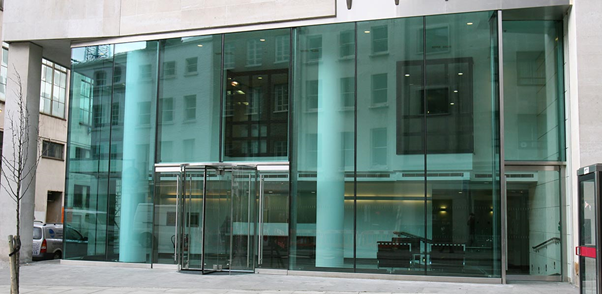
Curtain walls are an integral part of modern architectural design, offering aesthetic appeal, energy efficiency, and structural support to buildings. When considering the installation of a curtain wall system, one of the primary concerns is the cost. In this article, we delve into the factors and considerations that influence curtain wall pricing, providing a comprehensive understanding of the associated price list.
-
Complexity and Design:
Curtain walls come in various designs, ranging from simple and standard to highly intricate and customized. The complexity of the design directly impacts the cost. A basic unitized curtain wall system with minimal customization will be more affordable compared to a bespoke system that incorporates unique shapes, angles, or intricate patterns. The intricacy of the design requires additional engineering, fabrication, and installation efforts, resulting in a higher price point.
-
Material Selection:
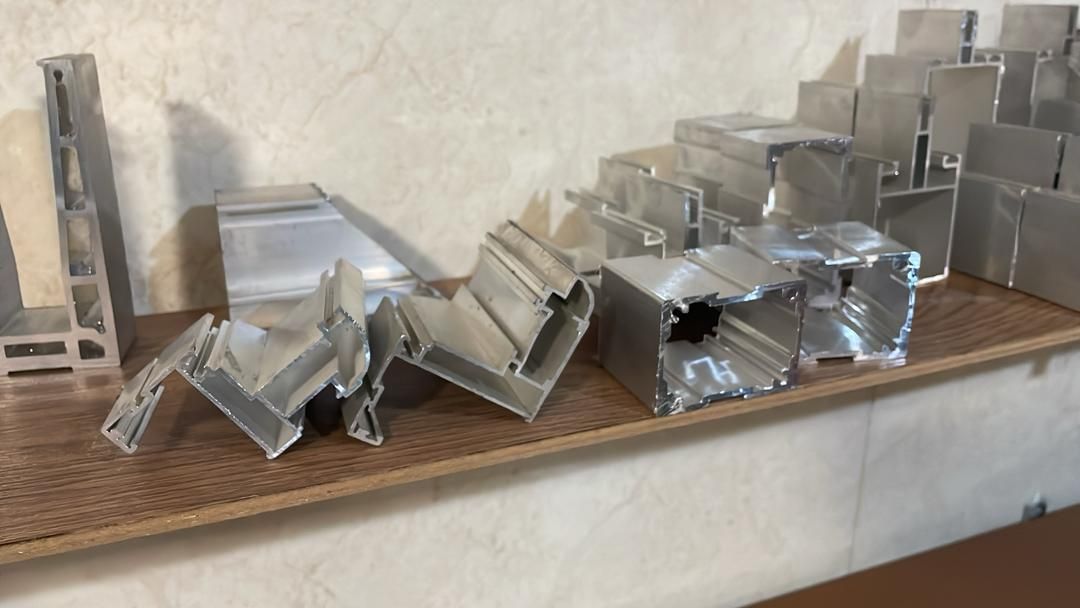
Curtain walls are typically constructed using aluminum, glass, and steel. However, the type and quality of these materials can vary significantly, affecting the overall price. High-performance glass, for example, offers enhanced insulation and soundproofing capabilities but comes at a higher cost compared to standard glass options. Similarly, premium-grade aluminum profiles or stainless steel components will increase the overall expense. It is essential to consider the desired level of performance and aesthetics when selecting materials, as they directly impact the budget.
-
Size and Dimensions:
The size and dimensions of the curtain wall system play a crucial role in determining the price. Larger systems require more materials, increased fabrication time, and specialized transportation. Additionally, oversized glass panels may need additional support and engineering considerations, resulting in higher costs. Therefore, the dimensions of the curtain wall must be factored in when estimating the overall price.
-
System Type:
Curtain wall systems are available in various types, including stick-built, unitized, and semi-unitized systems. Stick-built systems are assembled on-site, offering flexibility and customization but requiring more labor and time, potentially increasing costs. Unitized systems, on the other hand, are fabricated and assembled off-site, reducing installation time and associated expenses. Each system type has its advantages and cost implications, which should be weighed based on project requirements.
-
Performance and Compliance:
Curtain walls need to meet specific performance and compliance standards, such as thermal efficiency, air and water infiltration resistance, and structural integrity. Higher-performing systems that meet stringent standards and certifications, such as LEED or BREEAM, may come at a higher price. However, investing in sustainable and energy-efficient curtain walls can yield long-term benefits by reducing operational costs and enhancing a building’s overall value.
-
Additional Features:
The inclusion of additional features or accessories, such as sunshades, louvers, automatic shading systems, or integrated lighting, can contribute to the final cost. While these features enhance functionality and aesthetics, they add complexity to the design and require specialized installation, increasing the price accordingly.
-
Project Location and Logistics:
The geographic location of the project and logistical considerations also impact curtain wall pricing. Projects in remote or inaccessible areas may incur higher transportation costs, while those in urban environments might face challenges related to limited space for material storage or installation, potentially adding to the overall expenses.
-
Competitive Market:
The curtain wall industry is highly competitive, with numerous manufacturers, suppliers, and installers vying for projects. This competition can affect pricing, as companies strive to offer competitive rates to secure contracts. It is advisable to obtain multiple quotes from reputable suppliers and contractors to compare prices and ensure a fair and competitive price for the desired curtain wall system.
-
Maintenance and Lifecycle Costs:
When evaluating the cost of a curtain wall system, it is essential to consider not only the initial installation expenses but also the long-term maintenance and lifecycle costs. High-quality materials and proper installation techniques can contribute to the durability and longevity of the system, reducing the need for frequent repairs or replacements. By investing in a durable and low-maintenance curtain wall system, property owners can save money in the long run.
-
Project Timeline and Lead Times:
The timeline and lead times associated with curtain wall projects can influence pricing. Urgent or expedited projects may require additional resources, overtime labor, or express manufacturing and delivery, resulting in higher costs. Planning ahead and allowing sufficient time for design, fabrication, and installation can help mitigate these additional expenses.
-
Contractual Agreements:
The terms and conditions outlined in contractual agreements between the project owner, architect, and curtain wall contractor can impact pricing. Factors such as payment terms, warranty provisions, change order procedures, and penalties for delays or non-compliance can influence the overall project cost. It is crucial to review and negotiate these contractual aspects to ensure transparency, fairness, and cost control.
-
Economy and Market Fluctuations:
Economic factors, including inflation, material costs, and labor rates, can impact curtain wall pricing. Fluctuations in the market can affect the availability and cost of raw materials, such as aluminum, glass, and steel, as well as labor rates for fabrication and installation. It is advisable to monitor market trends and work closely with suppliers and contractors to anticipate potential price fluctuations and make informed decisions.
-
Cost Optimization Strategies: To optimize the cost of a curtain wall system, several strategies can be employed:
a. Value Engineering: Collaborate with architects, engineers, and contractors to identify cost-saving alternatives without compromising the integrity or performance of the curtain wall system. This could involve material substitutions, simplifying design elements, or streamlining the installation process.
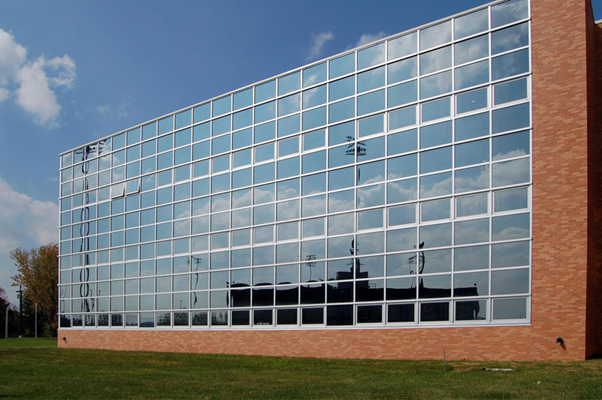
b. Standardization: Utilize standardized curtain wall systems or pre-designed components that are readily available in the market. Standardized systems often offer cost advantages due to economies of scale in manufacturing and familiarity among installers.
c. Early Engagement: Involve curtain wall contractors and suppliers in the early stages of the design process to benefit from their expertise. Their input can help optimize the design for cost efficiency while maintaining the desired aesthetics and performance.
d. Competitive Bidding: Solicit bids from multiple curtain wall contractors to ensure competitive pricing. However, it is important to consider factors beyond cost, such as reputation, experience, and quality of workmanship, when selecting a contractor.
e. Lifecycle Cost Analysis: Consider the long-term costs associated with maintenance, repairs, and energy efficiency when evaluating the overall value of a curtain wall system. Investing in a higher-quality system with lower maintenance requirements and energy-saving features can provide cost savings over the lifespan of the building.
f. Project Phasing: If feasible, consider phasing the installation of the curtain wall system to align with the project budget. This approach allows for a more manageable financial impact by spreading the cost over multiple phases or construction stages.
-
Obtaining Price Quotes:
To obtain accurate price quotes for a curtain wall system, it is essential to provide detailed project specifications, including design drawings, material preferences, performance requirements, and project timeline. This information will enable suppliers and contractors to provide comprehensive and accurate cost estimates.
-
Final Considerations:
While price is an important consideration, it should not be the sole determining factor when selecting a curtain wall system. It is crucial to balance the cost with other critical aspects such as quality, performance, durability, and compliance with building codes and regulations. Investing in a high-quality curtain wall system that meets the project’s specific requirements and aligns with the architectural vision can enhance the value and aesthetics of the building in the long run.
Conclusion:
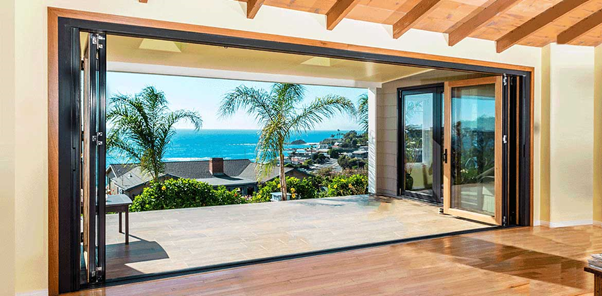
While the price list for curtain wall systems can vary significantly based on a multitude of factors, understanding these considerations allows architects, developers, and project owners to make informed decisions. By carefully evaluating the complexity of the design, material selection, system type, project dimensions, performance requirements, and additional features, it is possible to strike a balance between budget constraints and the desired aesthetic and functional outcomes. Engaging experienced professionals, obtaining multiple quotes, and considering long-term maintenance costs can ensure the successful implementation of curtain wall systems within the allocated budget while delivering an impressive architectural solution.

Leave A Comment