
Curtain Wall façade Execution
Curtain wall façades have become increasingly popular in modern architecture due to their striking visual appeal and functional benefits. These non-structural exterior building envelopes consist of glass, metal, and other materials, creating a seamless and visually appealing skin for buildings. However, achieving the desired aesthetics and ensuring the structural integrity of a curtain wall façade requires careful planning, execution, and expertise. In this article, we will explore the key aspects of curtain wall façade execution and the steps involved in bringing these architectural wonders to life.
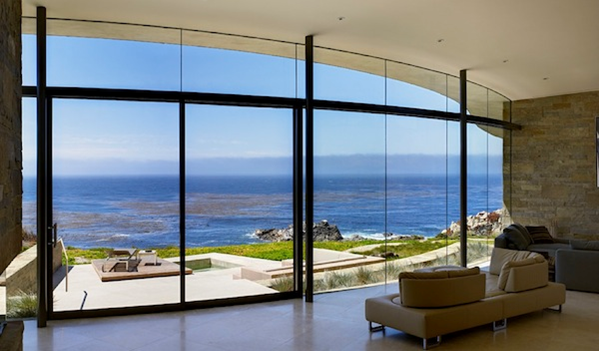
Design and Engineering:
The execution of a curtain wall façade begins with meticulous design and engineering. Architects work closely with structural engineers and façade consultants to conceptualize and develop a design that meets the project’s requirements and local building codes. The design phase involves considerations such as wind load analysis, thermal performance, acoustic properties, and the integration of building systems such as HVAC and lighting.
Material Selection:
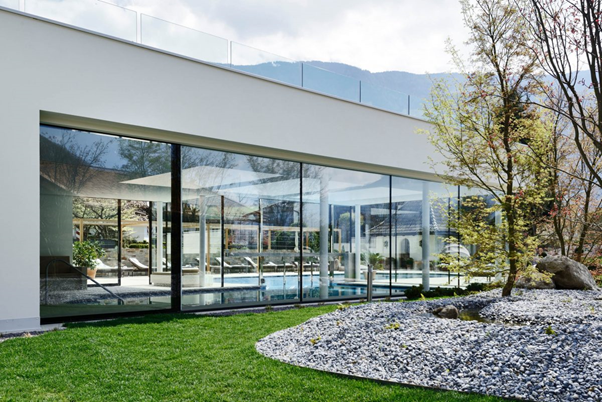
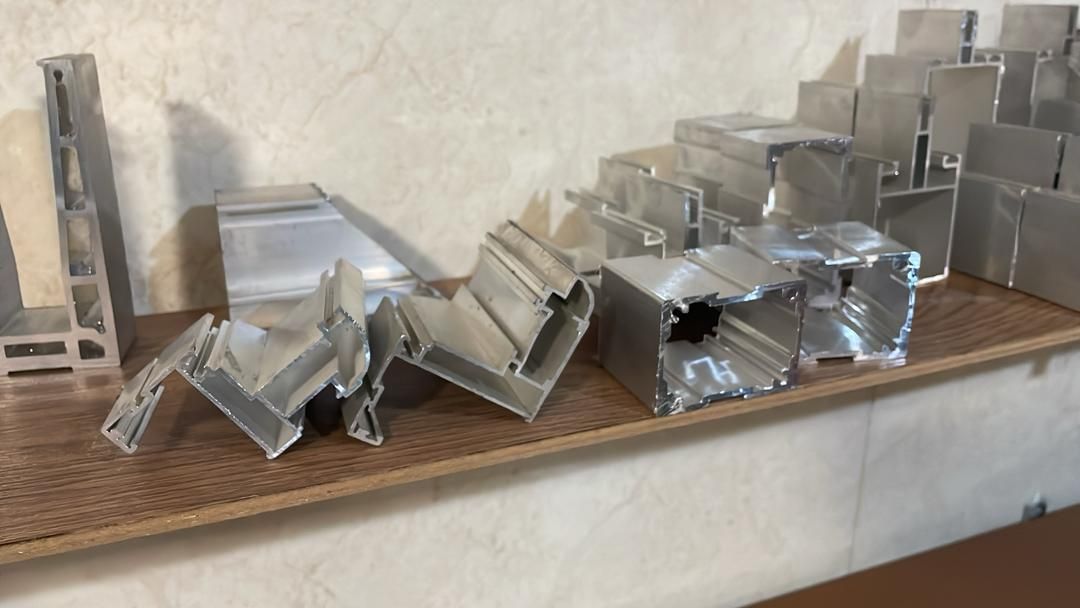
Choosing the right materials is crucial for the performance and longevity of a curtain wall façade. Glass panels, aluminum frames, steel supports, and other components must be selected based on factors such as durability, energy efficiency, safety, and aesthetic considerations. Special attention is given to factors like glass type (tempered, laminated, or insulated), coating options (low-e coatings for enhanced energy efficiency), and framing systems that can accommodate the desired design features.
Fabrication and Assembly:
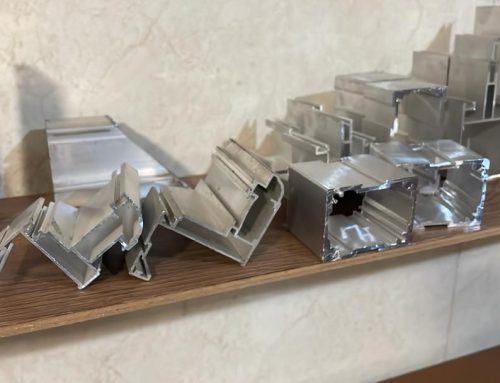
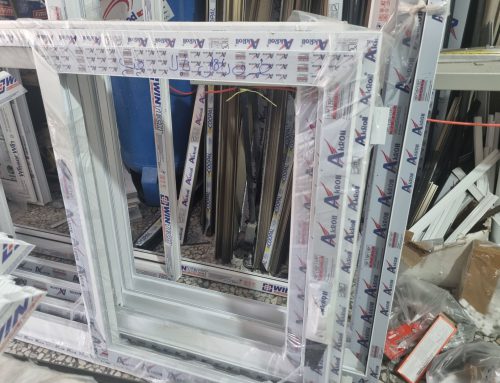
Once the design and material selection process is complete, the fabrication of curtain wall components begins. Glass panels are cut, shaped, and coated as per the specifications, while aluminum frames and supporting structures are fabricated and finished. These components are manufactured off-site in controlled environments, ensuring precision and quality. The assembly of the curtain wall system then takes place, integrating glass panels, frames, gaskets, sealants, and other necessary elements.
Installation and Integration:
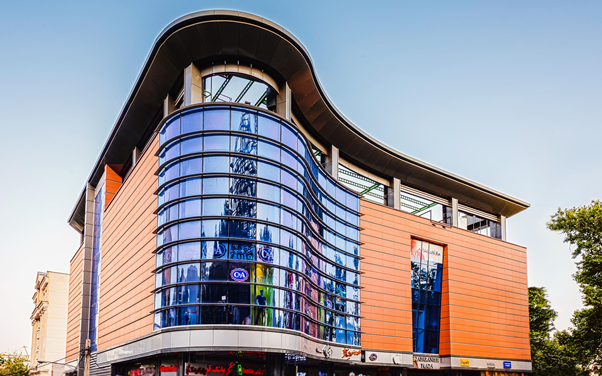
The installation of a curtain wall façade requires a coordinated effort between the construction team, specialized façade contractors, and other trades. The installation process involves carefully lifting and attaching the pre-fabricated curtain wall units to the building structure. It demands strict adherence to safety protocols and precise alignment of components to achieve the desired aesthetic and functional outcomes. Integration with other building systems, such as waterproofing, insulation, and mechanical systems, is also crucial during this phase.
Quality Control and Testing:
To ensure the performance and longevity of a curtain wall façade, rigorous quality control measures and testing protocols are implemented throughout the execution process. This includes inspections of fabricated components, on-site quality checks during installation, and performance tests such as air and water infiltration, structural load, and thermal efficiency. By conducting these tests, any potential issues or deficiencies can be identified and rectified before completion.
Maintenance and Lifespan:
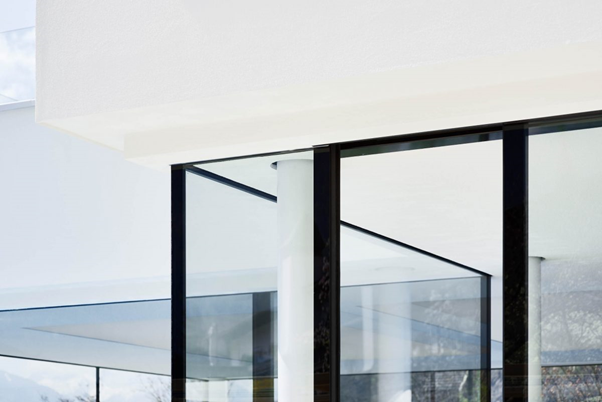
Curtain wall façades, like any other building component, require regular maintenance and upkeep to preserve their aesthetics and functionality. Routine cleaning, inspection, and repair of sealants, gaskets, and hardware are essential to prevent water infiltration, air leakage, and structural degradation. Collaborating with façade maintenance specialists and following manufacturer guidelines ensures the longevity and performance of the curtain wall system.
Maintenance and Lifespan:
Regular maintenance is crucial for preserving the integrity and lifespan of a curtain wall façade. The maintenance activities typically include cleaning, inspection, and repair of various components. Regular cleaning helps to remove dirt, grime, and pollutants that can accumulate on the glass panels and frames, maintaining their transparency and aesthetic appeal.
Inspections should be conducted periodically to identify any signs of damage, such as cracks, leaks, or loose connections. Special attention should be given to sealants and gaskets, as they are critical for preventing water infiltration and maintaining the air-tightness of the system. Any identified issues should be addressed promptly to prevent further damage.
It is recommended to consult with façade maintenance specialists who have experience working with curtain wall systems. They can provide guidance on the appropriate cleaning techniques, inspection procedures, and necessary repairs. Following the manufacturer’s guidelines and recommendations is also essential to ensure the long-term performance of the façade.
In addition to routine maintenance, periodic performance testing should be conducted to assess the curtain wall system’s functionality. This may include air and water infiltration tests, structural load tests, and thermal efficiency evaluations. These tests help to identify any potential weaknesses or areas that may require reinforcement or improvement.
Lifespan can vary depending on factors such as the quality of materials, installation techniques, and maintenance practices. Well-designed, properly installed, and regularly maintained curtain wall systems can have a lifespan of 25 to 50 years or more. However, it is important to note that periodic evaluations should be conducted to assess the performance and viability of the system over time.
Conclusion:
Curtain wall façade execution is a complex process that demands meticulous planning, expertise, and attention to detail. By focusing on design and engineering, material selection, fabrication and assembly, installation and integration, quality control, and long-term maintenance, architects, engineers, and construction professionals can bring stunning and functional curtain wall systems to life. The successful execution of these architectural marvels not only enhances the visual appeal of buildings but also contributes to their overall performance, sustainability, and durability.
In conclusion, curtain wall façade execution involves a meticulous process of design, engineering, material selection, fabrication, installation, and integration. Attention to detail, adherence to quality control measures, and regular maintenance are crucial for achieving the desired aesthetics and ensuring the long-term functionality of the system. By employing the expertise of professionals and following best practices, architects and builders can create visually striking buildings with durable and efficient curtain wall façades.

Leave A Comment