
Curtain wall mullion profiles
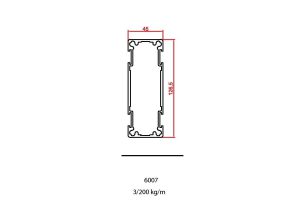
Exploring Curtain Wall Mullion Profiles: A Structural and Aesthetic Marvel
Curtain walls have become a prominent feature in modern architecture, seamlessly blending functionality with aesthetics. Among the essential components of a curtain wall system, mullions play a crucial role in providing structural support and defining the visual appeal of the facade. In this article, we delve into the world of curtain wall mullion profiles, exploring their significance, types, and impact on architectural design.
Understanding Curtain Wall Mullions:
Structural Support: Mullions are vertical or horizontal elements that provide structural support to the curtain wall system. Their primary function is to transfer loads, such as wind and gravity, from the curtain wall to the building structure. This distribution of forces ensures the stability and safety of the entire facade.
Aesthetic Integration: Beyond their structural role, mullions contribute significantly to the visual appeal of the building. Architects often leverage mullion profiles to create unique and distinctive facades. The design of mullions can influence the overall aesthetic of the building, ranging from sleek and minimalistic to bold and intricate.
Types of Curtain Wall Mullion Profiles:
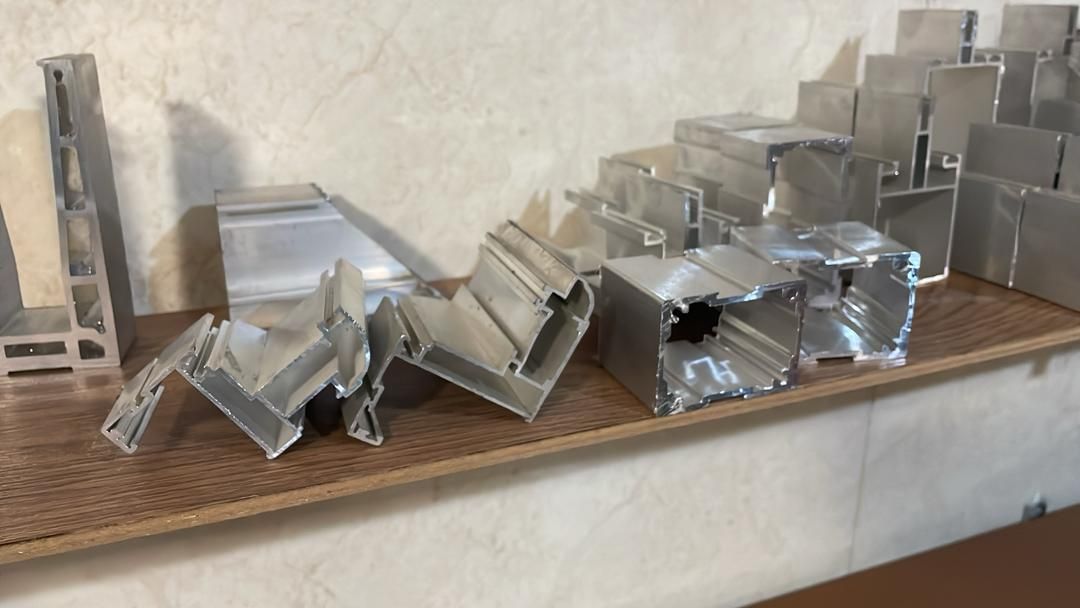
Rectangular Mullions: Rectangular mullions are the most common and versatile profiles. They offer a clean and straightforward appearance, making them suitable for a wide range of architectural styles. The simplicity of rectangular mullions allows for easy integration with other building elements.
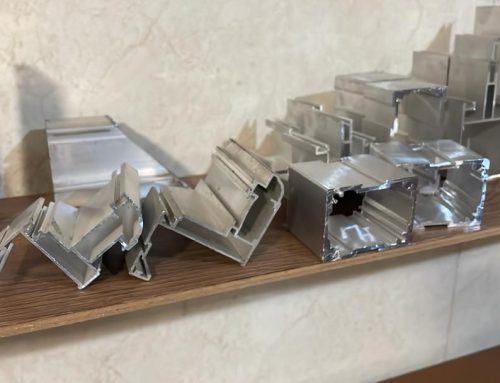
I-Beam Mullions: I-beam mullions, resembling the shape of an “I,” provide enhanced structural support. Their robust design makes them suitable for high-rise buildings or areas with increased wind loads. I-beam mullions can also add an industrial or contemporary aesthetic to the facade.
T-Shaped Mullions: T-shaped mullions feature a horizontal crossbar, providing additional support and visual interest. This design is popular for its ability to break up the monotony of a large glass expanse while maintaining structural integrity. T-shaped mullions can create interesting patterns and shadows on the facade.
Custom Profiles: Architects often opt for custom mullion profiles to achieve specific design goals. These bespoke profiles allow for creative expression and enable the integration of unique patterns and shapes into the curtain wall system. Custom mullions contribute to the distinct identity of a building.
Factors Influencing Mullion Profile Selection:
Architectural Style: The chosen architectural style often dictates the type of mullion profile used. For example, sleek and slim mullions might complement a modern and minimalist design, while more ornate profiles could enhance a classical or historic architectural style.
Environmental Factors: The local climate, wind loads, and other environmental considerations influence the selection of mullion profiles. In areas prone to high winds, architects may opt for sturdier and more robust mullions to ensure structural stability.
Material Choice: Mullions can be constructed from various materials, including aluminum, steel, or even composite materials. The material choice affects not only the mullion’s structural performance but also its visual appearance. Aluminum mullions, for instance, are lightweight and corrosion-resistant, making them a popular choice.
Innovation and Future Trends:
As technology continues to advance, so does the innovation in curtain wall mullion profiles. The integration of smart technologies and sustainable materials is becoming increasingly prevalent in modern architecture. Smart mullions may incorporate sensors for environmental monitoring, adjusting the building’s internal conditions in response to external factors.
Additionally, sustainability plays a vital role in shaping the future of mullion profiles. Architects and developers are exploring eco-friendly materials and energy-efficient designs to create curtain wall systems that contribute to green building practices. This not only aligns with global environmental goals but also reflects a growing demand for sustainable and responsible construction.
Challenges and Solutions:
While curtain wall mullions offer numerous benefits, they also present certain challenges, especially in terms of insulation and energy efficiency. The large expanses of glass in curtain walls can result in heat loss or gain, impacting a building’s energy performance. However, advancements in thermal break technology and insulated mullion designs aim to address these challenges, improving the overall energy efficiency of curtain wall systems.
Structural considerations also play a crucial role in overcoming challenges associated with mullion design. Engineers and architects work collaboratively to optimize mullion spacing, dimensions, and materials to ensure the structural integrity of the facade while meeting aesthetic and performance requirements.
Case Studies:
Examining real-world examples of buildings with noteworthy curtain wall mullion designs provides insights into the practical application and impact of different profiles. Buildings such as the One World Trade Center in New York City, featuring a sleek and modern curtain wall with slender mullions, showcase the successful integration of aesthetics and functionality.
Conversely, historic structures like the Crystal Palace in London, though not a modern curtain wall, demonstrate the enduring appeal of mullion-like structures. While not made of glass, the Crystal Palace’s iron and glass construction pioneered the use of structural elements that resemble modern mullions.
Integration of Sustainable Practices:
One of the prominent trends in contemporary architecture involves the integration of sustainable practices into curtain wall systems. This extends beyond material choices to include features like photovoltaic cells and green facades. Mullion profiles are adapting to accommodate these innovations, supporting the integration of renewable energy sources and contributing to the overall sustainability of buildings.
Green roofs and living walls are gaining popularity, and mullions are being designed to seamlessly incorporate these elements into the curtain wall system. This integration not only enhances the building’s environmental performance but also introduces a harmonious connection between architecture and nature.
Digital Fabrication and Customization:
Advancements in digital fabrication technologies have opened new frontiers in the customization of mullion profiles. Architects and designers now have the tools to create intricate and unique mullion designs that were once challenging to achieve. Computer-aided design (CAD) and parametric modeling allow for precise control over the form and geometry of mullions, enabling the creation of bespoke curtain wall systems that respond to the specific requirements of each project.
This trend towards customization aligns with the growing demand for individualized and iconic architectural expressions. From parametrically generated patterns to mullions that mimic natural forms, the possibilities for creative expression are expanding, giving architects the ability to make a distinctive mark on the urban landscape.
Challenges of Urbanization:
As cities continue to grow and vertical construction becomes more prevalent, the role of curtain walls and their mullion profiles becomes increasingly significant. The challenge lies in balancing the need for efficient use of space with the desire for visually appealing and functional facades. Mullion profiles need to adapt to the constraints of urban environments, accommodating various architectural styles while optimizing natural light and energy efficiency.
The Human Experience:
While we often discuss the technical and aesthetic aspects of curtain wall mullion profiles, it’s essential to recognize their impact on the human experience. Well-designed mullions contribute to the quality of indoor spaces by allowing ample natural light, connecting occupants with the external environment, and creating visually dynamic interiors. The interplay of light and shadow, facilitated by thoughtfully designed mullion profiles, enhances the overall comfort and aesthetic satisfaction of building occupants.
Conclusion:
In conclusion, curtain wall mullion profiles are a fundamental aspect of contemporary architecture, blending form and function in the design of modern buildings. The evolution of mullion profiles reflects the dynamic nature of architecture, responding to both aesthetic trends and technological advancements.
Architects and engineers continually push the boundaries of design, seeking innovative solutions to challenges posed by climate, sustainability, and energy efficiency. The future promises even more exciting developments in mullion profiles, as architects explore new materials, integrate cutting-edge technologies, and strive for environmentally responsible design.
As we look ahead, curtain wall mullions will continue to play a pivotal role in shaping the skyline of our cities, contributing not only to the structural integrity of buildings but also to the artistic and sustainable aspects of architectural design.

Leave A Comment