
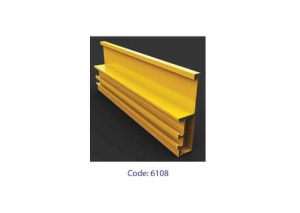
Wall connection profile
Introduction:
Curtain wall systems play a crucial role in modern architecture, offering a sleek and sophisticated façade while providing structural support to buildings. One of the key components that contribute to the success of a curtain wall system is the wall connection profile. This article explores the significance of wall connection profiles, their functions, and their impact on the overall performance and aesthetics of curtain wall systems.
Definition of Wall Connection Profile:
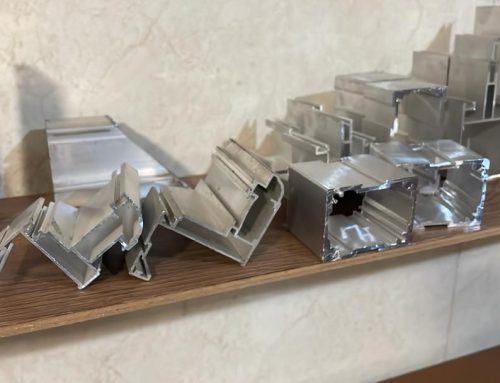
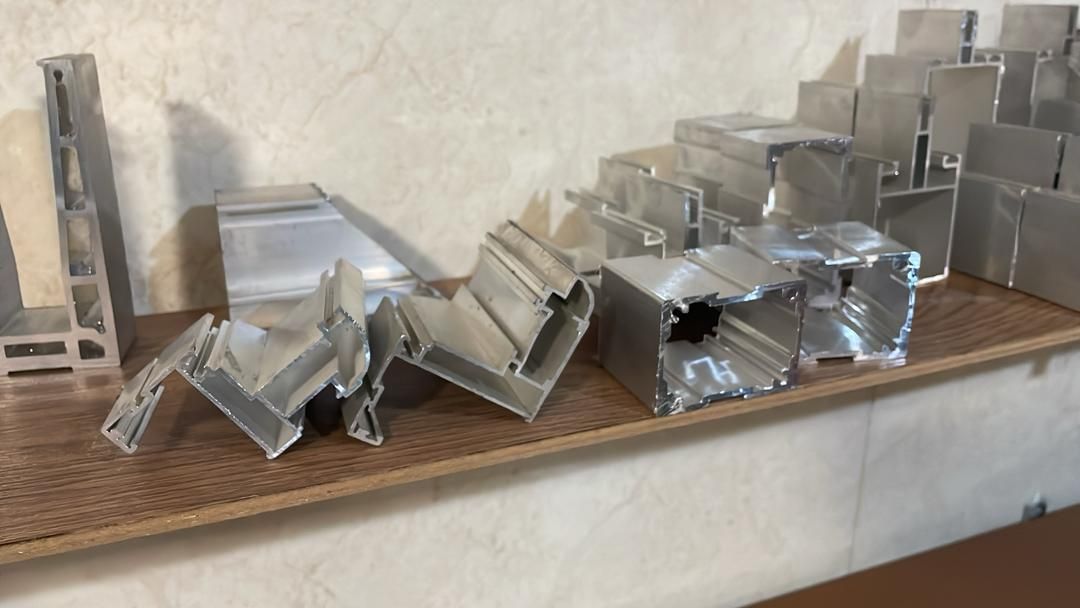
A wall connection profile in a curtain wall system refers to the framework that connects the curtain wall to the building structure. It serves as the interface between the building envelope and the structural elements, ensuring stability, weather resistance, and proper load distribution. Wall connection profiles are typically made from materials like aluminum, steel, or other high-strength alloys, chosen for their durability, corrosion resistance, and lightweight properties.
Functions of Wall Connection Profiles:
- Structural Support: Wall connection profiles bear the weight of the curtain wall, transferring it to the building structure. The profiles are strategically designed to distribute loads evenly, preventing concentrated stress points that could compromise the integrity of the structure.
- Weather Resistance: Curtain walls are exposed to various weather conditions, including wind, rain, and temperature fluctuations. Wall connection profiles incorporate features such as gaskets, seals, and thermal breaks to create a barrier against environmental elements, ensuring the interior remains protected and energy-efficient.
- Aesthetic Integration: Beyond their structural functions, wall connection profiles contribute to the visual appeal of the curtain wall. Architects often design profiles to seamlessly integrate with the overall aesthetic of the building, creating a cohesive and visually pleasing façade.
- Expansion and Contraction: Temperature variations can cause materials to expand and contract. Wall connection profiles accommodate these movements through careful design, preventing issues such as leakage, deformation, or stress fractures.
Types of Wall Connection Profiles:
- Stick-Built Systems: In stick-built curtain wall systems, individual components, including wall connection profiles, are assembled on-site. This method allows for greater flexibility and customization but requires precise installation to maintain structural integrity.
- Unitized Systems: Unitized curtain wall systems feature pre-assembled panels, including wall connection profiles, manufactured off-site. These panels are transported to the construction site and installed as complete units, reducing on-site labor and construction time.
- Two-Sided Structural Glazing Systems: In this design, the glass panels are structurally glazed on both sides, with wall connection profiles providing support and stability. This system enhances transparency and aesthetics, making it a popular choice for contemporary buildings.
Installation and Maintenance:
Proper installation of wall connection profiles is essential to ensure the curtain wall system functions optimally. During installation, attention must be given to precise alignment, secure fastening, and the use of appropriate sealing materials. Regular inspections and maintenance checks are also crucial to identify any signs of wear, corrosion, or damage over time. Timely maintenance helps extend the lifespan of the curtain wall system and ensures its continued performance.
Innovations in Wall Connection Profiles:
Advancements in materials and manufacturing techniques have led to innovative designs for wall connection profiles. For instance, the use of thermally broken profiles enhances energy efficiency by minimizing heat transfer through the building envelope. Additionally, the integration of smart technologies, such as sensors and automation, can further enhance the performance of curtain wall systems by allowing for dynamic adjustments based on environmental conditions.
Challenges and Solutions:
While wall connection profiles contribute significantly to the success of curtain wall systems, challenges may arise, especially in regions prone to extreme weather conditions or seismic activity. Engineers and architects address these challenges through careful design considerations, incorporating features like flexible joints, reinforced connections, and advanced anchoring systems to enhance resilience and structural stability.
Sustainability Considerations:
As sustainability becomes a key focus in modern construction, wall connection profiles are also evolving to meet green building standards. Materials with high recycled content, low environmental impact, and improved energy efficiency are being employed. Additionally, the design of curtain wall systems aims to maximize natural light, reducing the need for artificial lighting and decreasing overall energy consumption.
Regulatory Compliance and Standards:
Adherence to local building codes and international standards is paramount in the construction industry. Wall connection profiles must meet specific criteria to ensure the safety and durability of the curtain wall system. Regulatory compliance involves rigorous testing for factors such as wind resistance, water penetration, and structural stability. Architects and engineers work closely with regulatory bodies to ensure that the curtain wall design, including the wall connection profiles, complies with all relevant codes and standards.
Case Studies:
Examining successful implementations of curtain wall systems can provide valuable insights into the importance of well-designed wall connection profiles. Case studies showcase how different architectural styles, environmental conditions, and building requirements are addressed through innovative profile designs. Learning from real-world examples helps inform best practices and inspires the continual improvement of curtain wall systems.
Future Trends:
Looking ahead, several trends are shaping the future of wall connection profiles in curtain wall systems. The integration of smart technologies for real-time monitoring, the use of advanced materials for increased durability and sustainability, and the exploration of new design possibilities are all areas of ongoing research and development. The intersection of technology, sustainability, and aesthetics will likely define the next generation of curtain wall systems.
Collaboration in Design and Construction:
The complexity of curtain wall systems requires a collaborative approach between architects, engineers, manufacturers, and contractors. Effective communication and coordination among these stakeholders are crucial to ensuring that the wall connection profiles align with the overall design intent, structural requirements, and construction timelines. Collaborative efforts contribute to the successful realization of ambitious architectural visions.
Conclusion:
In conclusion, the wall connection profile in curtain wall systems is a multifaceted component that balances structural integrity, aesthetic considerations, and compliance with regulatory standards. As technology and design methodologies advance, the role of wall connection profiles will continue to evolve, pushing the boundaries of what is achievable in modern architecture. By embracing innovation, sustainability, and collaboration, professionals in the construction industry can create curtain wall systems that not only meet functional requirements but also contribute to the visual appeal and environmental responsibility of the built environment. As the industry progresses, the wall connection profile remains a pivotal element, ensuring that curtain wall systems stand as testaments to both form and function in the architectural landscape.



Leave A Comment