
Curtain wall installation method
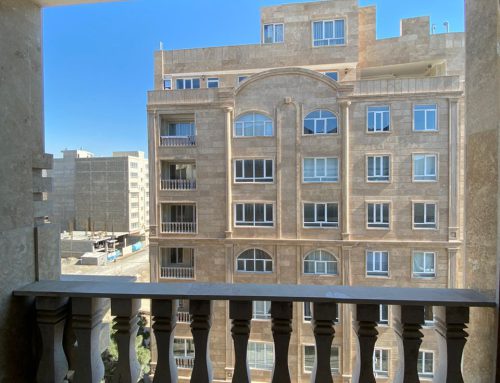
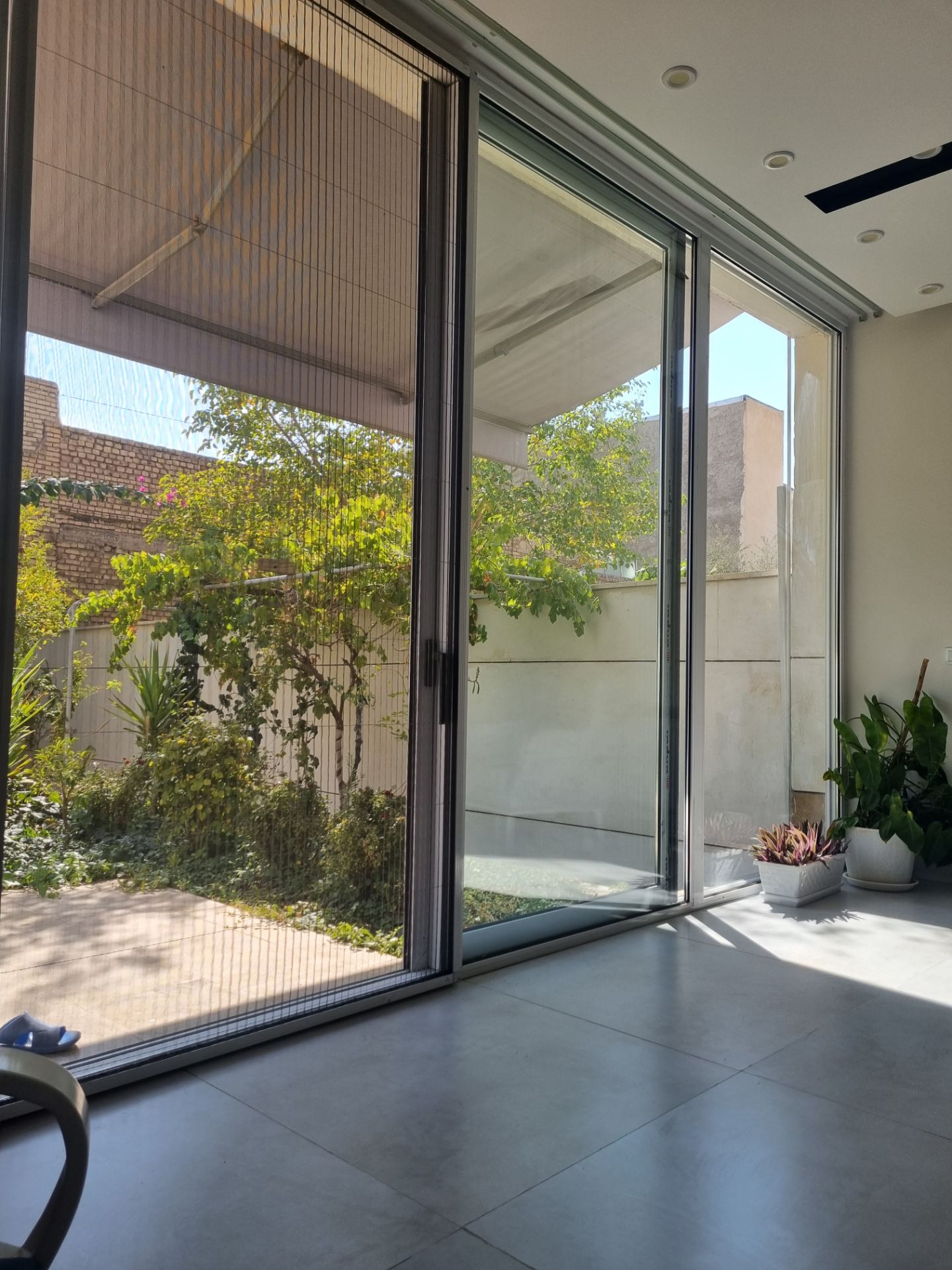
Curtain walls are an essential element of modern architecture. They are the outer skin of buildings that provide protection against weather, sound, and other environmental factors. Curtain walls are generally made up of metal or glass panels that are supported by a frame. These panels are typically installed on the exterior of a building and do not carry any structural load. Curtain walls have become increasingly popular in recent years due to their versatility, aesthetic appeal, and energy efficiency.
Curtain wall installation is a complex process that involves multiple steps and requires significant expertise. In this article, we will provide an overview of the curtain wall installation method.
Pre-Installation Steps
The first step in the curtain wall installation process is to prepare the building. This involves removing any existing cladding or façade and ensuring that the building’s structure is sound. The installation team will also need to take measurements and create a detailed plan for the installation process.
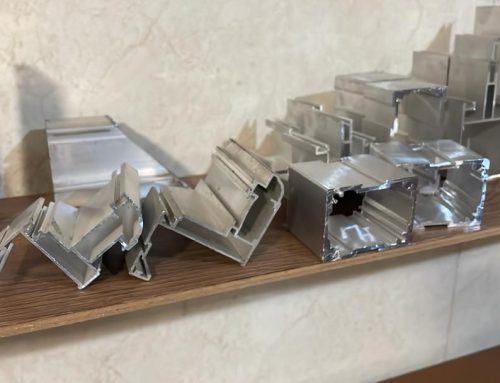
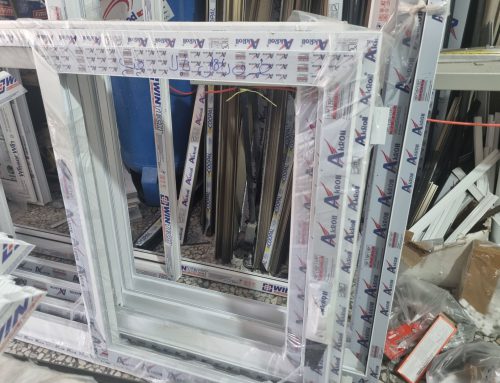
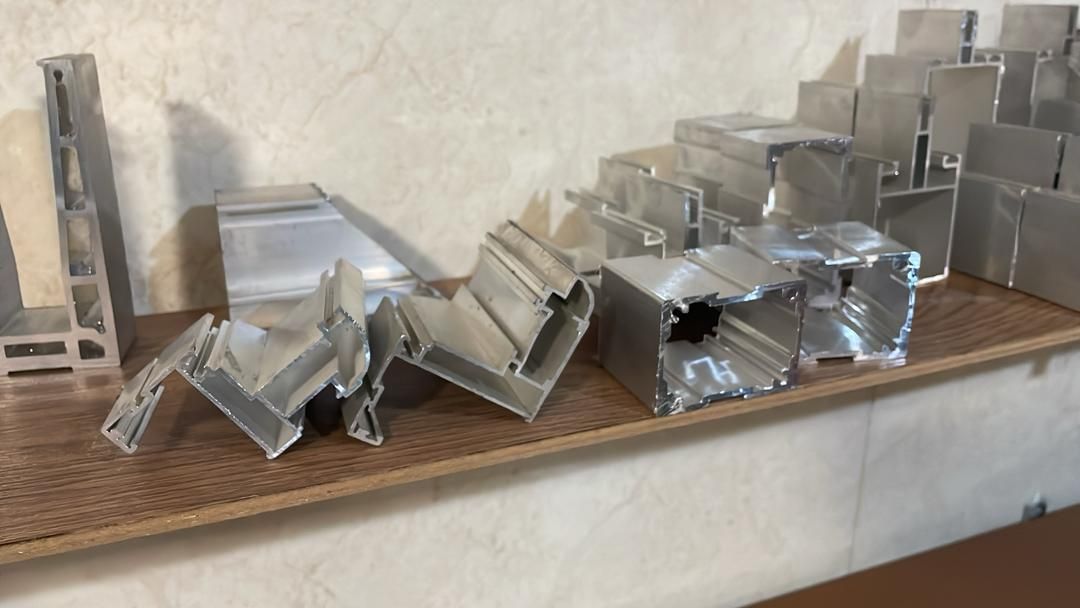
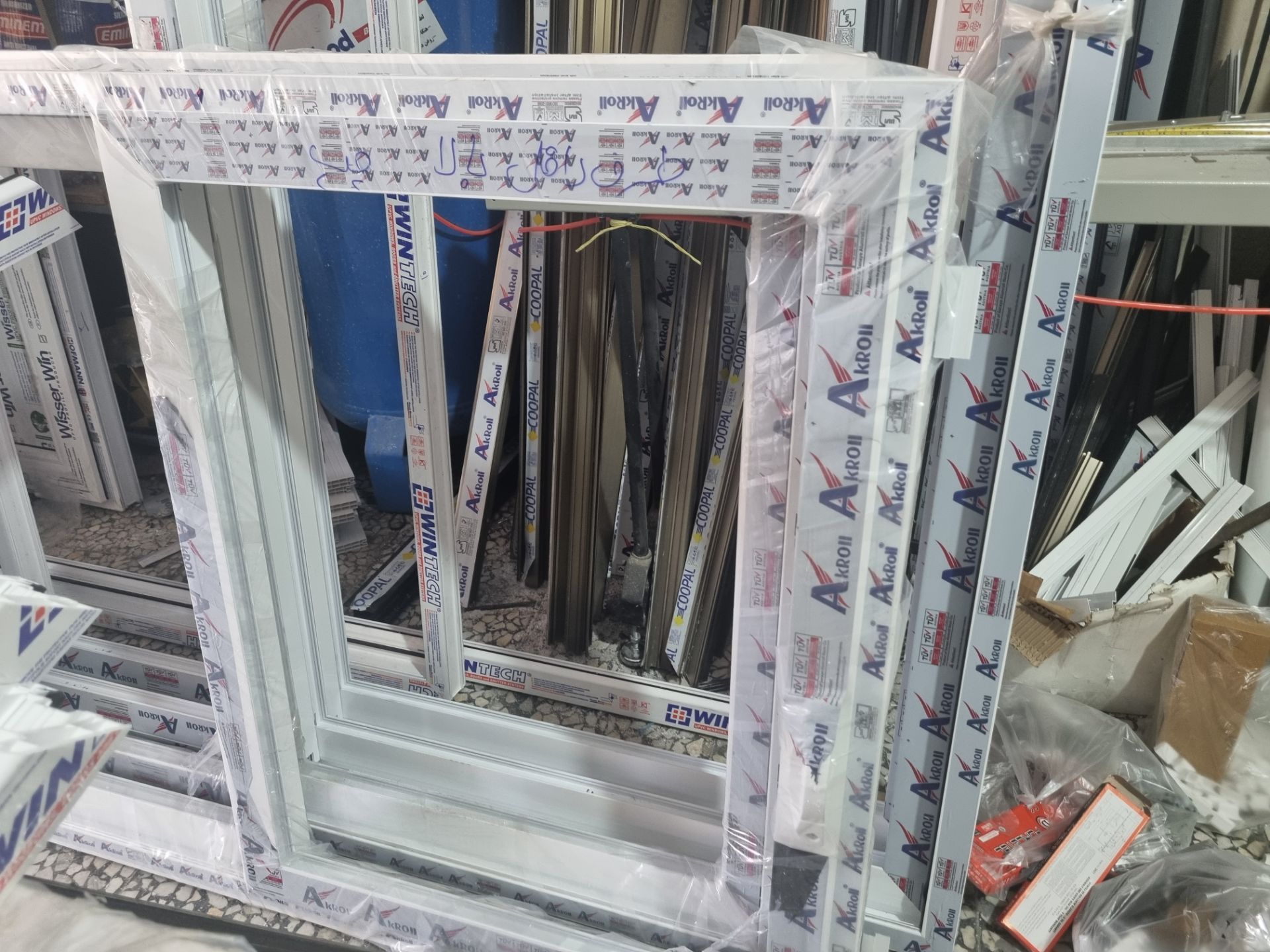
Once the building is ready, the installation team will begin constructing the curtain wall. This involves assembling the metal or glass panels and framing them with a support system. The support system is typically made up of aluminum or steel and is designed to provide stability and support to the curtain wall.
The Installation Process
The installation process begins with the erection of scaffolding or other temporary structures around the building. This is necessary to provide a stable platform for the installation team to work from. The scaffolding is typically constructed from steel or aluminum and is designed to be strong enough to support the weight of the installation team and their equipment.
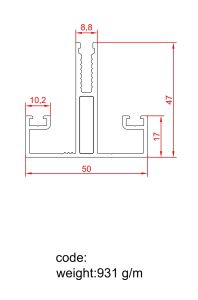
The next step is to install the curtain wall frame. This involves attaching the frame to the building’s structure using bolts, anchors, or other fasteners. The frame is typically made up of vertical mullions and horizontal rails that are joined together to form a grid pattern. The size and shape of the grid will depend on the design of the curtain wall and the building’s requirements.
Once the frame is installed, the installation team will begin installing the panels. This involves lifting the panels into place using cranes or other lifting equipment and securing them to the frame using clips or other fasteners. The panels are typically installed in a sequence, starting from the bottom and working their way up to the top of the building.
Sealing and Waterproofing
Once the panels are installed, the installation team will need to seal and waterproof the curtain wall. This is a crucial step that ensures that the building is protected from water infiltration and air leaks. The sealing and waterproofing process involves applying sealant to the joints between the panels and the frame. The sealant is typically a silicone-based material that is designed to be flexible and durable.
The installation team will also install a drainage system to ensure that any water that enters the curtain wall is properly directed away from the building. This may involve installing weep holes or other drainage mechanisms at the bottom of the curtain wall to allow water to escape.
Testing and Inspection
Once the curtain wall is installed and sealed, it will undergo testing and inspection to ensure that it meets the building’s requirements. This may involve conducting a water penetration test, which involves spraying the curtain wall with water under high pressure to check for any leaks or weaknesses.
The installation team will also conduct a visual inspection to ensure that the curtain wall is properly installed and aligned. Any defects or deficiencies will be addressed at this stage to ensure that the curtain wall is functioning as intended.

Maintenance and Repairs
Once the curtain wall is installed, it will require regular maintenance to ensure that it continues to function properly. This may involve cleaning the panels to remove dirt and debris or replacing damaged panels or sealant.
In the event of a problem, such as a leak or other issue, the curtain wall may require repairs. This will typically involve removing the damaged section and replacing it with a new panel or piece of frame. The repairs will need to be carried out by a qualified professional to ensure that they are done correctly.
In some cases, it may be necessary to replace the entire curtain wall. This is typically done if the curtain wall is no longer functional or if it no longer meets the building’s requirements. The replacement process is similar to the installation process and will require careful planning and coordination.
Conclusion
Curtain wall installation is a complex process that requires significant expertise and attention to detail. It involves multiple steps, from preparing the building to installing the frame and panels to sealing and waterproofing the curtain wall. The process also includes testing and inspection to ensure that the curtain wall is functioning as intended and regular maintenance and repairs to ensure its longevity.
Curtain walls are an essential component of modern architecture, providing protection and insulation for buildings while also contributing to their aesthetic appeal. Proper installation and maintenance of curtain walls are crucial for ensuring their functionality and longevity. As such, it is important to work with qualified professionals who have the expertise and experience to carry out the installation process correctly and provide ongoing maintenance and repairs as needed.

Leave A Comment