
Frameless curtain wall details
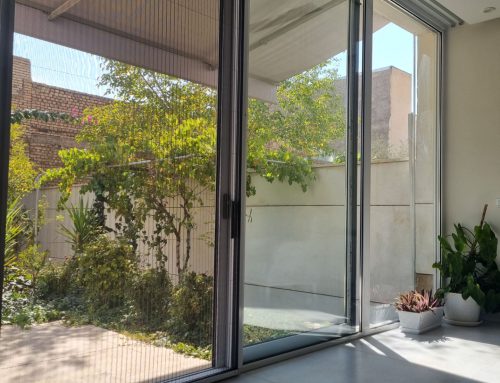
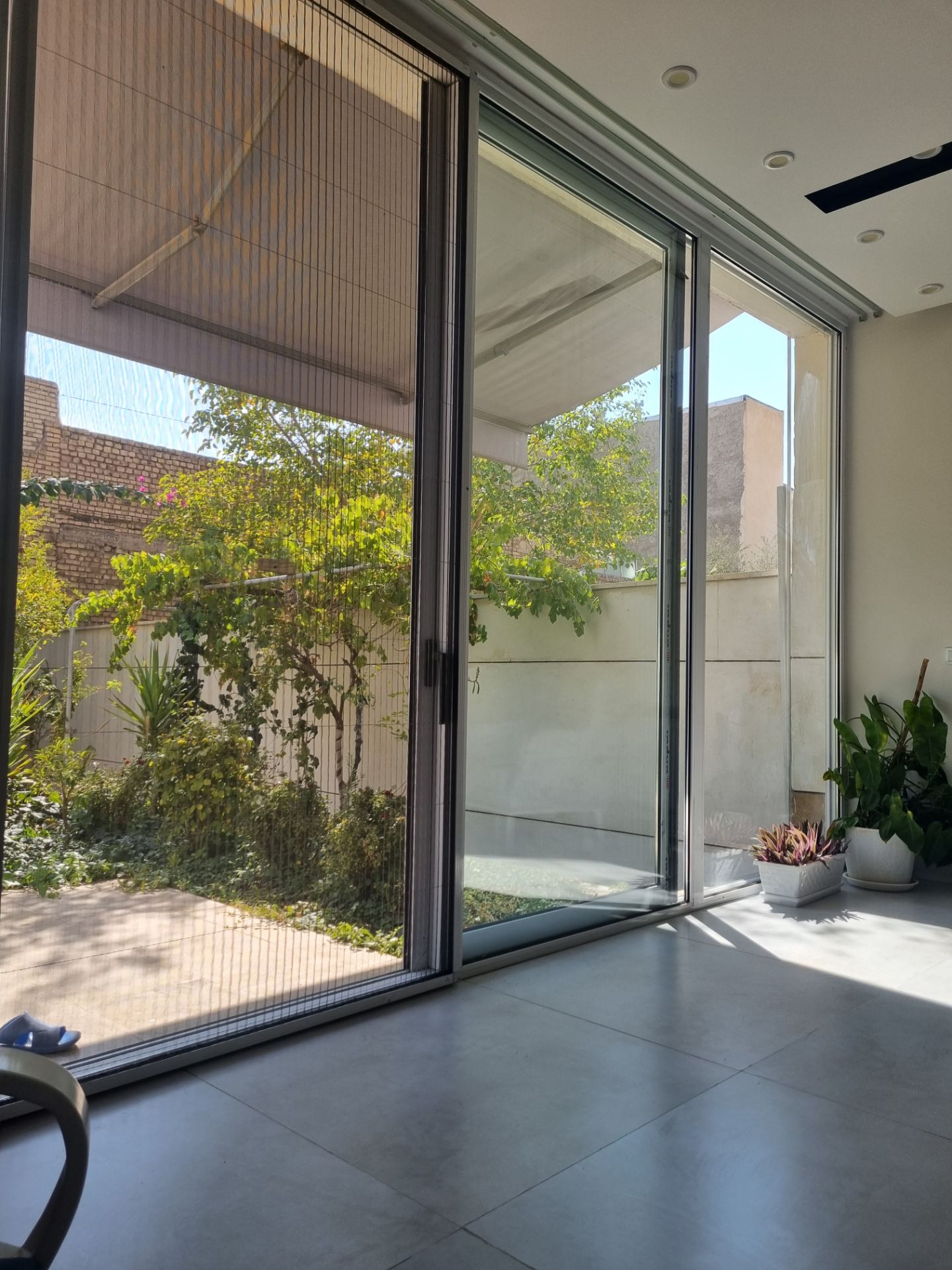
Frameless curtain wall systems are an excellent choice for contemporary commercial and residential buildings. These systems offer many benefits, such as unobstructed views, natural light, and a modern aesthetic. Frameless curtain walls are also known for their energy efficiency and durability, making them a popular choice for architects and building owners. In this article, we will explore frameless curtain wall details, including design considerations, installation methods, and maintenance tips.
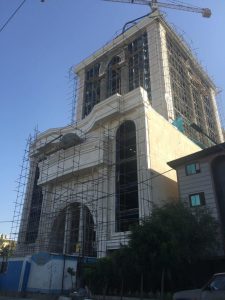
Design Considerations:
When designing a frameless curtain wall, there are several considerations to keep in mind. These considerations will help ensure that the system is not only aesthetically pleasing but also functional and structurally sound.
Wind Loads: Wind loads are one of the most critical factors to consider when designing a frameless curtain wall. The system must be able to withstand high winds and provide structural support to the building.
Glass Selection: The glass used in a frameless curtain wall must be carefully selected to ensure that it can withstand wind loads and other environmental factors. Glass thickness, type, and coating can all affect the performance of the system.
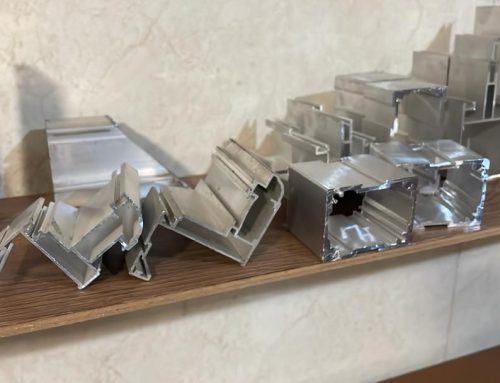
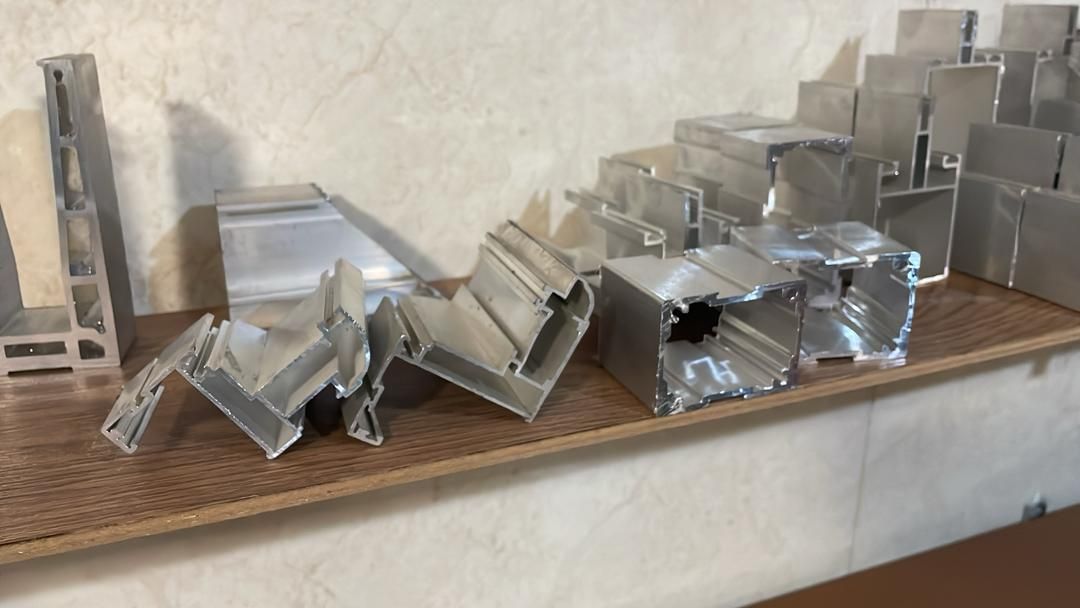
Thermal Performance: Frameless curtain walls are known for their energy efficiency, but the thermal performance of the system can be improved with the right design choices. Consider using low-emissivity glass, thermally broken aluminum frames, and other energy-efficient components.
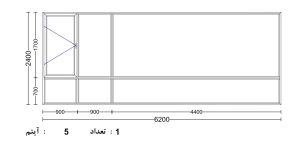
Water Management: Proper water management is critical for frameless curtain walls. Water can seep into the system, causing damage to the building’s structure and potentially creating a safety hazard. Design considerations should include proper drainage and weep holes.
Installation Methods:
Proper installation is crucial for the performance and longevity of a frameless curtain wall system. Below are the three most common installation methods:
Face-Sealed: The face-sealed method involves sealing the joints between the glass panels and the structural supports with sealants. This method is cost-effective, but it can be difficult to maintain over time.
Pressure Equalized: The pressure-equalized method uses a cavity behind the glass to equalize the air pressure on both sides of the wall. This method is more expensive, but it provides better protection against air and water infiltration.
Silicone Point Supported: Silicone point-supported systems use small silicone fittings to hold the glass panels in place. This method provides an aesthetically pleasing, minimalistic look, but it can be expensive and difficult to install.
Maintenance Tips:
Proper maintenance is essential to ensure the longevity and performance of a frameless curtain wall system. Below are some maintenance tips to keep in mind:
Cleaning: Regular cleaning is essential to prevent dirt and debris buildup on the glass panels. Use a mild detergent and a soft cloth to clean the glass. Avoid using abrasive cleaners or harsh chemicals.
Inspection: Regular inspections can help identify any issues with the system before they become a significant problem. Look for cracks, leaks, or any other signs of damage.
Caulking: The sealant used in a frameless curtain wall system can degrade over time, leading to air and water infiltration. Regularly inspect the sealant and replace it as needed.
Repairs: If there is any damage to the system, it is essential to address it as soon as possible. Small cracks or leaks can quickly turn into major issues if left unchecked.
Conclusion:
Frameless curtain wall systems offer many benefits, including unobstructed views, energy efficiency, and durability. When designing and installing a frameless curtain wall system, it is essential to consider factors such as wind loads, glass selection, and water management. Proper maintenance, including regular cleaning, inspections, and repairs, can help ensure the longevity and performance of the system.
With careful consideration and proper installation and maintenance, a frameless curtain wall system can provide a beautiful and functional addition to any building.
One of the significant benefits of frameless curtain wall systems is their aesthetic appeal. They provide a sleek and modern look that can enhance the overall appearance of a building. With the absence of traditional framing systems, frameless curtain walls create an unobstructed view of the surroundings and allow natural light to enter the building. This feature is especially beneficial for commercial buildings that require large windows to showcase their products or services.
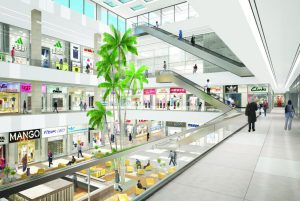
Another advantage of frameless curtain wall systems is their energy efficiency. These systems are designed to reduce heat transfer, which can lower heating and cooling costs. The glass used in frameless curtain walls is often low-emissivity, which helps to reduce energy consumption further. Additionally, thermally broken aluminum frames and other energy-efficient components can be incorporated into the system design to increase its energy-saving capabilities.
When it comes to installation, proper installation is crucial for the longevity and performance of a frameless curtain wall system. Installation methods vary depending on the system and design, but they typically involve securing the glass panels to a structural support system. One of the most common installation methods is the pressure-equalized method, which uses a cavity behind the glass to equalize air pressure on both sides of the wall. This method provides better protection against air and water infiltration.
Proper maintenance is also essential for the longevity and performance of a frameless curtain wall system. Regular cleaning, inspections, and repairs can help prevent issues such as water infiltration and glass damage. Cleaning the glass regularly with a mild detergent and a soft cloth can prevent dirt and debris buildup that can damage the glass over time. Inspections can help identify any issues with the system before they become a significant problem. It is important to address any damage or issues as soon as possible to prevent them from becoming more severe.
In conclusion, frameless curtain wall systems offer many benefits for modern buildings, including aesthetic appeal, energy efficiency, and durability. When designing and installing a frameless curtain wall system, it is essential to consider factors such as wind loads, glass selection, and water management. Proper maintenance, including regular cleaning, inspections, and repairs, can help ensure the longevity and performance of the system. With careful consideration and proper installation and maintenance, a frameless curtain wall system can provide a beautiful and functional addition to any building.

Generally I don’t learn article on blogs, however I would like to say that
this write-up very compellped me to try and do it! Your writing style has been amazed me.
Thank you, very nicce article.
My partner and I absolutely lov your bllog and find most of your post’s to be just what I’m looking for.
Does one offer guest writers to write content for you personally?
I wouldn’t mind producing a post or elaborating on a few of the subjects you write about here.
Again,