
curtain wall glass façade
Introduction
Curtain wall glass façade is a popular architectural solution that has become increasingly popular in recent years. A curtain wall is an exterior wall that does not carry any structural load and is designed to provide a building with a protective layer, insulation, and aesthetic appeal. Glass façades have been in use since the 1930s, but modern technology has made it possible to create larger and more complex designs that offer improved energy efficiency, durability, and safety.
In this article, we will discuss the benefits and drawbacks of using a curtain wall glass façade, the different types of curtain wall systems, and the considerations that architects and builders need to take into account when designing and installing this type of façade.
Benefits of Curtain Wall Glass Façades
Curtain wall glass façades offer several benefits to buildings, including:
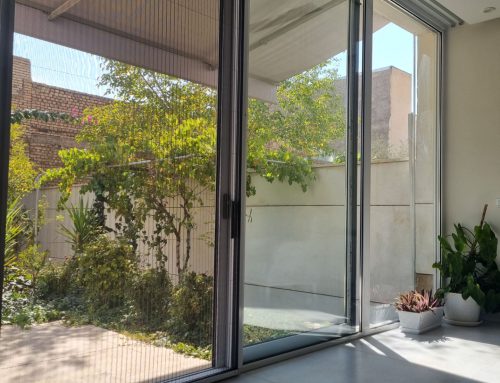
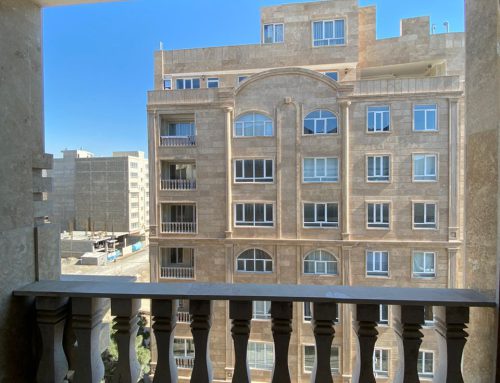
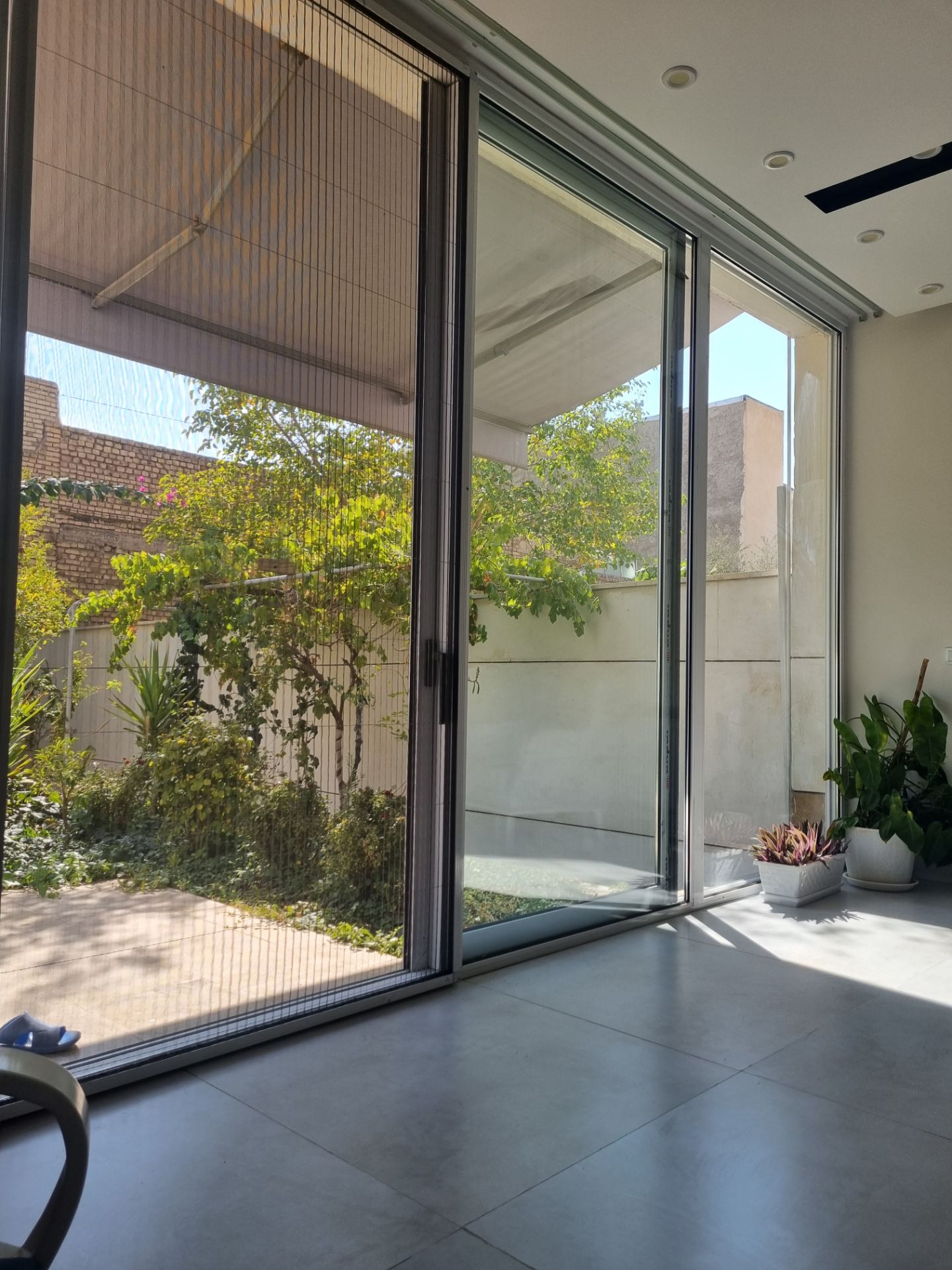
Aesthetic appeal: Glass façades are a popular choice for modern buildings because they offer a sleek, modern appearance that can be customized to fit the design of the building. The use of glass also provides a sense of openness and transparency that can enhance the overall look of the building.
Energy efficiency: Curtain wall systems can be designed to improve the energy efficiency of a building by reducing heat gain and loss. By using high-performance glass and incorporating thermal breaks into the system, buildings can reduce their heating and cooling costs.
Durability: Curtain wall systems are designed to withstand harsh weather conditions, including high winds and heavy rain. They are also resistant to corrosion, which can help extend the life of the façade.
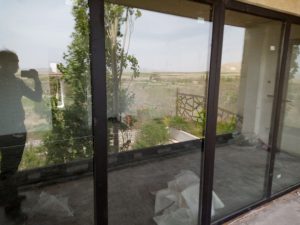
Flexibility: Curtain wall systems can be designed to fit a variety of building shapes and sizes, making them a versatile solution for modern architecture.
Drawbacks of Curtain Wall Glass Façades
While curtain wall glass façades offer many benefits, they also have some drawbacks that architects and builders need to consider. These include:
Cost: Curtain wall systems are typically more expensive than traditional building systems because they require specialized materials and installation techniques.
Maintenance: Glass façades require regular maintenance to ensure that they continue to function properly and maintain their aesthetic appeal. This can include cleaning, inspection, and repairs.
Safety concerns: Glass can break under certain conditions, such as high winds or impacts. To ensure the safety of building occupants, it is important to use high-quality glass and to design the system with safety features in mind.

Types of Curtain Wall Systems
There are several different types of curtain wall systems that architects and builders can choose from, including:
Stick-built systems: This type of system is constructed on site by assembling the frame and installing the glass panels individually. This allows for greater flexibility in design and can be less expensive than other types of systems.
Unitized systems: Unitized systems are pre-fabricated off-site and then installed on the building in sections. This type of system is typically more expensive but can be quicker to install and requires less on-site labor.
Semi-unitized systems: Semi-unitized systems are a hybrid of stick-built and unitized systems. They are partially pre-fabricated off-site but also require on-site assembly and installation.
Considerations for Designing and Installing Curtain Wall Glass Façades
When designing and installing a curtain wall glass façade, there are several important considerations that architects and builders need to take into account, including:
Building codes and regulations: The design and installation of a curtain wall system must comply with local building codes and regulations. This includes requirements for safety, energy efficiency, and accessibility.
Climate and weather conditions: The design of the façade must take into account the climate and weather conditions in the area, including wind loads, snow loads, and exposure to sunlight.
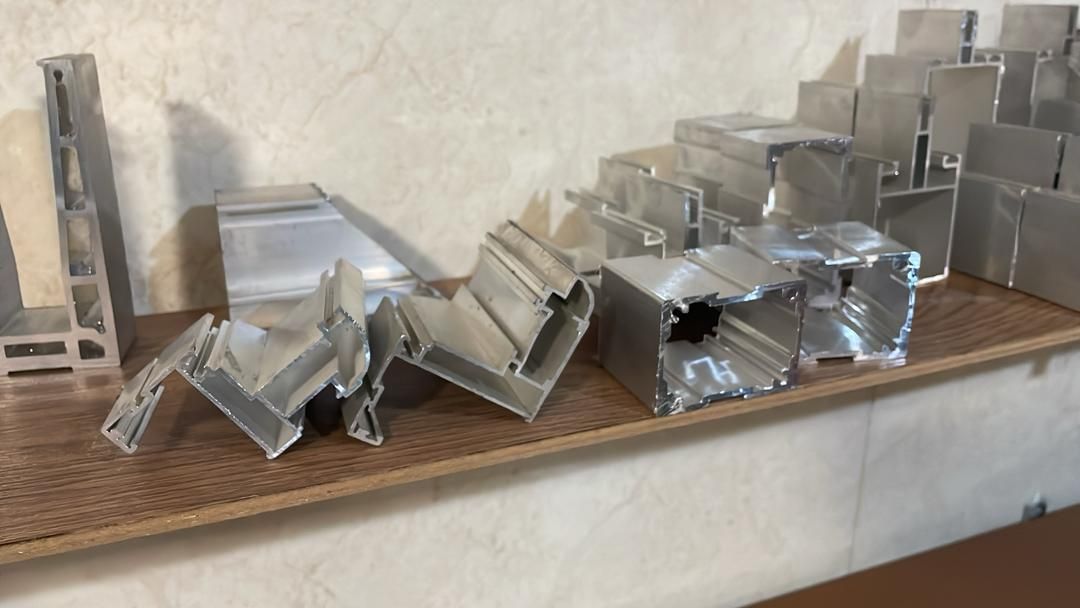
Material selection: The selection of materials for the curtain wall glass façade must take into account the aesthetic, performance, and safety requirements of the building. Glass panels can be customized to achieve different levels of transparency, color, and texture, and can be combined with other materials, such as metal or stone, to create a unique look.
Thermal performance: The thermal performance of the curtain wall system is a critical consideration, as it can have a significant impact on the energy efficiency of the building. The use of low-emissivity coatings, insulating glass units, and thermal breaks can help to reduce heat loss and gain.
Structural support: While a curtain wall system does not carry any structural load, it must be attached to the building’s structural frame to ensure stability and safety. The design of the system must take into account the structural requirements of the building and the load-bearing capacity of the attachment points.
Maintenance and repair: Proper maintenance and repair of the curtain wall system are essential to ensure its longevity and performance. Building owners and facility managers must establish a regular maintenance schedule to clean and inspect the façade and address any issues that arise.
Conclusion
Curtain wall glass façades offer many benefits to modern buildings, including aesthetic appeal, energy efficiency, durability, and flexibility. However, architects and builders must also consider the drawbacks of this type of façade, such as cost, maintenance, and safety concerns. By selecting the right type of system, materials, and design, and taking into account the local building codes and regulations, climate and weather conditions, and structural support requirements, building owners can create a stunning and functional curtain wall glass façade that enhances the overall look and performance of their building.

Leave A Comment