
Curtain wall advantages and disadvantages
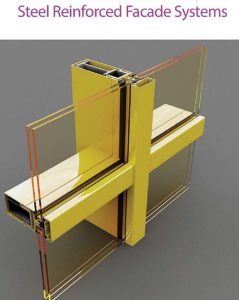
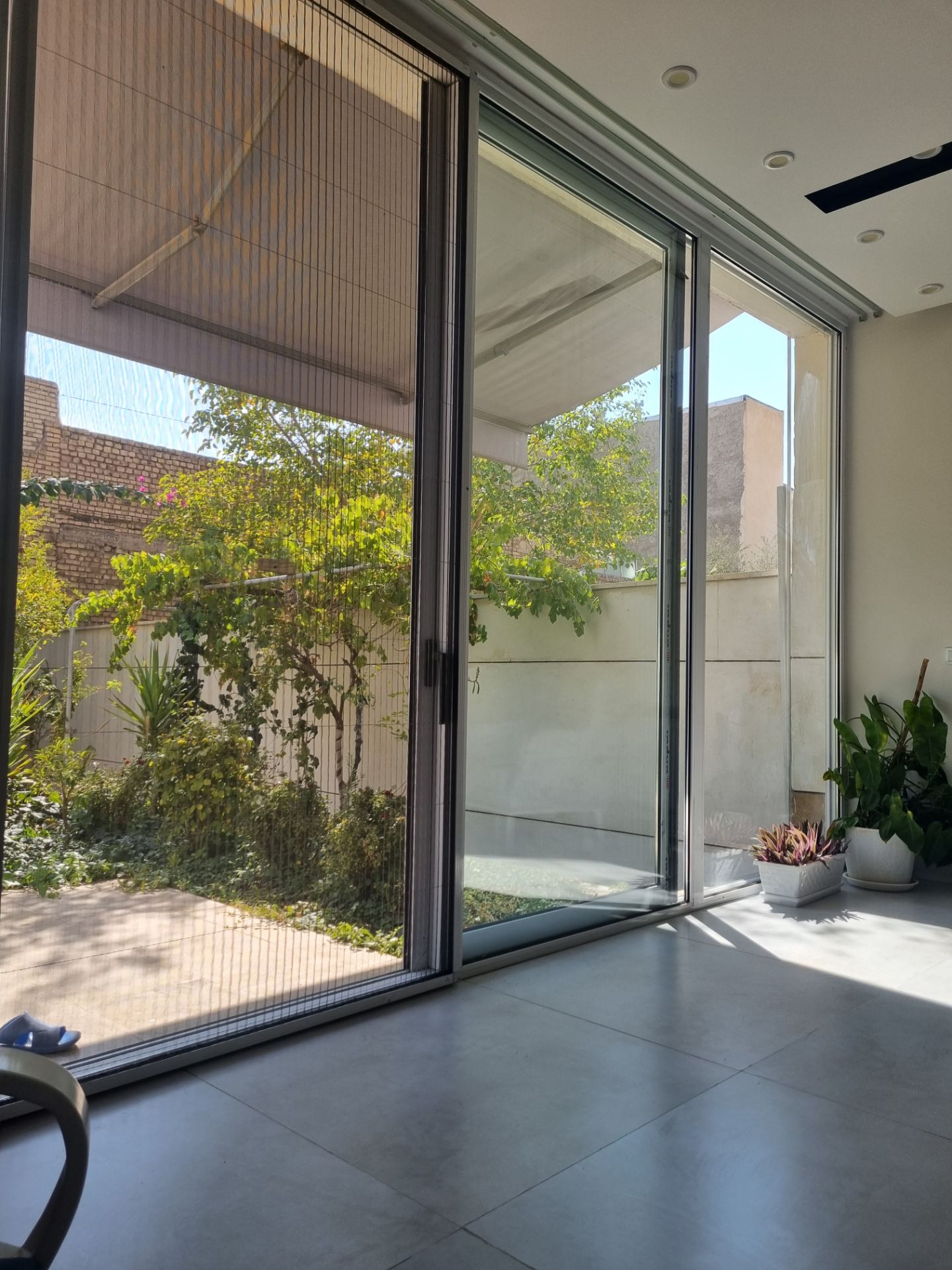
Curtain wall advantages and disadvantages ; Curtain walls are an essential component of modern architecture. They are the glass façade of high-rise buildings and are designed to provide insulation and protection from weather conditions while allowing natural light to penetrate deep into the building.
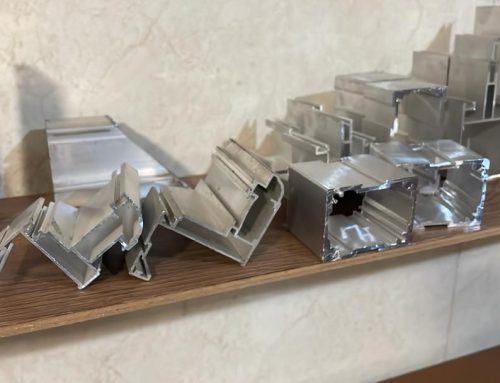
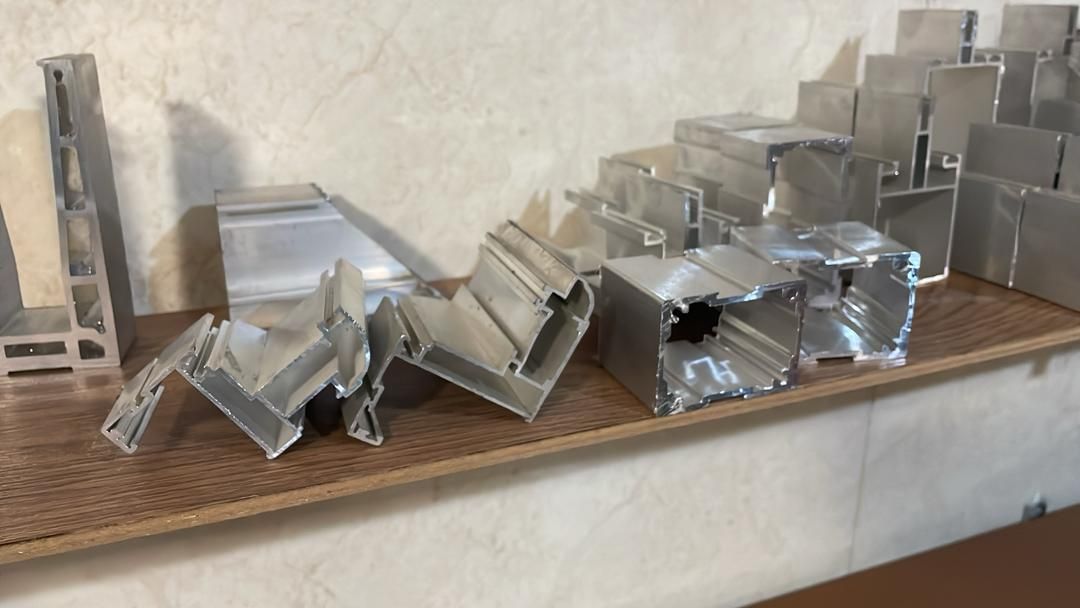
Curtain walls are typically made of aluminum frames and glass panels, but they can also be made of steel, concrete, or other materials. They are installed as an outer layer to the building structure, and they do not bear the weight of the building.
In this article, we will discuss the advantages and disadvantages of curtain walls, so you can make an informed decision about whether they are right for your building.
Advantages of Curtain Walls
Energy Efficiency
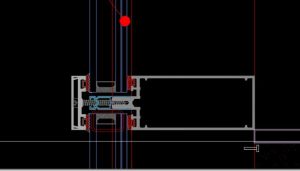
Curtain walls can help reduce energy costs by improving the energy efficiency of the building. The glass panels used in curtain walls are designed to be highly insulating, which helps to reduce the amount of energy required to heat and cool the building. Additionally, the frames used in curtain walls are often made of aluminum, which is a highly conductive material. This means that the frames can be designed to incorporate thermal breaks, which helps to further reduce heat loss and improve energy efficiency.
Natural Light
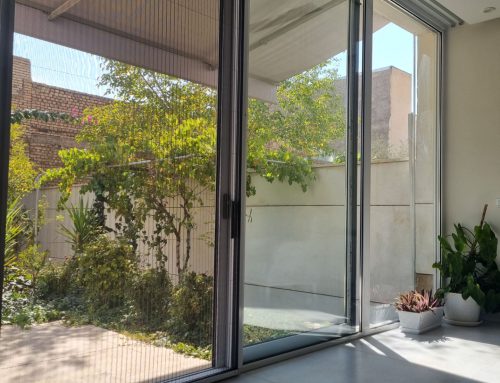
Curtain walls allow natural light to enter the building, which can help to reduce the need for artificial lighting during the day. Natural light has been shown to have a positive impact on productivity and mood, so having a well-lit building can have many benefits.
Aesthetic Appeal
Curtain walls can provide a sleek and modern appearance to a building. They can be designed in a variety of styles and colors to match the overall aesthetic of the building. Additionally, the use of glass in the façade can provide an unobstructed view of the surrounding environment, which can be particularly appealing for buildings located in scenic areas.
Structural Flexibility
Curtain walls are designed to be structurally flexible, which means they can accommodate a variety of building shapes and sizes. This allows architects and designers to create unique and complex building designs without sacrificing the benefits of a curtain wall.
Disadvantages of Curtain Walls
Cost
One of the biggest disadvantages of curtain walls is their cost. Curtain walls are typically more expensive than other façade options, such as masonry or precast concrete. The cost of curtain walls can vary depending on the size of the building and the materials used, but they are generally considered to be a premium option.
Maintenance
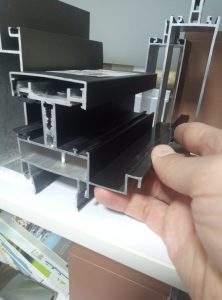
Curtain walls require regular maintenance to keep them in good condition. The glass panels can become dirty and need to be cleaned regularly, and the frames may need to be repainted or refinished over time. Additionally, if a glass panel is damaged, it can be difficult and expensive to replace.
Weather Resistance
While curtain walls are designed to provide protection from the weather, they may not be as effective as other façade options in extreme weather conditions. High winds, heavy rain, and hail can damage the glass panels or the frames, which can lead to leaks and other issues. Additionally, if the building is located in an area prone to earthquakes, the curtain wall may need to be designed to accommodate seismic loads, which can add to the cost and complexity of the installation.
Sound Transmission
Curtain walls can allow sound to pass through more easily than other façade options. This can be a disadvantage for buildings located in noisy areas or for buildings that require sound insulation, such as recording studios or performance spaces.
Conclusion
Curtain walls have many advantages, including energy efficiency, natural light, aesthetic appeal, and structural flexibility. However, they also have some disadvantages, such as cost, maintenance, weather resistance, and sound transmission. Ultimately, whether a curtain wall is the right choice for a building will depend on a variety of factors, including the building’s location, budget, and design goals.
In addition to the advantages and disadvantages mentioned above, there are some other factors to consider when choosing a curtain wall. For example, the type of glass used in the curtain wall can have a significant impact on its energy efficiency and overall performance. Low-e glass, for example, has a special coating that reflects heat back into the building, which can help to reduce energy costs.
Another factor to consider is the installation process. Curtain walls are typically installed by a team of professionals, and the installation process can be complex and time-consuming. This can add to the cost of the curtain wall and may require additional planning and coordination during the construction process.
Finally, it’s important to consider the long-term durability and performance of the curtain wall. While curtain walls are designed to last for many years, they may require repairs or maintenance over time. It’s important to choose a high-quality curtain wall system that is designed to withstand the elements and perform well over the long term.
In conclusion, curtain walls offer many advantages, including energy efficiency, natural light, and aesthetic appeal. However, they also have some disadvantages, such as cost, maintenance, and weather resistance. When considering a curtain wall for a building, it’s important to carefully weigh the pros and cons and choose a system that is best suited for the building’s location, budget, and design goals. With proper planning and installation, a curtain wall can be an excellent investment for a building, providing both functional and aesthetic benefits for many years to come.
Curtain wall advantages and disadvantages

Leave A Comment