
Curtain Wall Glass Facade Execution
Introduction:
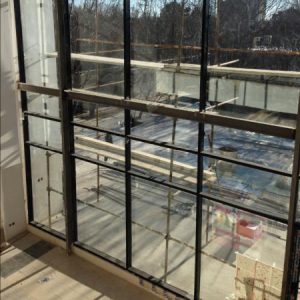
In contemporary architecture, curtain wall glass facades have become increasingly popular due to their aesthetic appeal, energy efficiency, and ability to create a seamless connection between the interior and exterior of a building. The execution of a curtain wall glass facade requires meticulous planning, precision engineering, and skilled craftsmanship. This article aims to delve into the intricacies of executing a curtain wall glass facade and highlight the key considerations that contribute to its successful implementation.
-
Comprehensive Design and Engineering:
The execution of a curtain wall glass facade begins with a comprehensive design and engineering phase. Architects collaborate with structural engineers and facade consultants to create a concept that combines functional requirements, desired aesthetics, and performance standards. The design should consider factors such as wind loads, thermal insulation, natural lighting, and acoustic performance to ensure optimal functionality and occupant comfort.
-
Material Selection and Performance:
The selection of appropriate materials plays a vital role in the successful execution of a curtain wall glass facade. Modern advancements in glass technology offer a variety of options, including double-glazed units, low-emissivity coatings, and insulated glass panels. Each material choice must be carefully considered based on factors such as solar heat gain, sound transmission, safety regulations, and energy efficiency.
-
Structural Considerations:
Curtain wall glass facades are not only architectural elements but also structural components that must withstand various loads, including wind, seismic forces, and dead loads. The engineering team must ensure that the supporting structure, typically made of steel or aluminum, is designed to bear the weight of the glass panels and transmit the loads safely to the building’s structural framework.
-
Installation and Construction:
The installation of a curtain wall glass facade requires a skilled and experienced team of professionals. The construction process typically involves precise measurement, fabrication of individual glass panels and framing elements, and the assembly and installation of the entire system. Attention to detail is crucial to achieve a seamless, weather-tight, and aesthetically pleasing facade. Quality control measures, such as on-site inspections and adherence to safety protocols, are essential to ensure compliance with industry standards.
-
Integration of Supporting Systems:
A well-executed curtain wall glass facade seamlessly integrates with various building systems. This includes coordination with HVAC (Heating, Ventilation, and Air Conditioning) systems, electrical wiring, fire safety measures, and water management systems. Collaborative efforts among different trade professionals are necessary to optimize performance and ensure the smooth operation of these systems without compromising the integrity of the facade.
-
Maintenance and Longevity:
Once the curtain wall glass facade is installed, proper maintenance and regular inspections are vital for its longevity and continued performance. Maintenance protocols should be established to address routine cleaning, sealant integrity, and potential repairs. Regular inspections can identify any issues early on, preventing more significant problems and extending the lifespan of the facade.
-
Energy Efficiency and Sustainability:
Curtain wall glass facades offer significant opportunities for enhancing energy efficiency and sustainability in buildings. By incorporating high-performance glass, such as low-emissivity coatings and insulated glazing units, the facade can minimize heat transfer, reduce reliance on artificial lighting, and optimize natural ventilation. Additionally, the use of solar control devices, such as shading systems or fritted glass, can further enhance energy efficiency by reducing solar heat gain. The careful selection of materials and integration of energy-efficient systems contribute to the overall sustainability of the building.
-
Acoustic Performance:
In urban environments or buildings located near high-traffic areas, noise pollution can be a concern. The execution of a curtain wall glass facade should take into account the acoustic performance requirements to ensure optimal sound insulation. Special acoustic glass panels or laminated glass with sound-damping interlayers can be incorporated into the facade system to reduce external noise transmission and provide a quieter indoor environment.
-
Safety and Security:
The safety and security of occupants are paramount considerations in any building design. Curtain wall glass facades should be designed and executed with proper safety measures to protect against potential hazards, such as breakage, impact resistance, and fire propagation. The use of tempered or laminated glass and adherence to safety codes and regulations are critical in ensuring the overall safety and security of the facade.
-
Aesthetics and Visual Impact:
Curtain wall glass facades offer architects the opportunity to create visually stunning buildings that stand out in their surroundings. The design and execution should consider the desired aesthetic goals, such as transparency, reflection, texture, and color. By carefully selecting glass types, finishes, and framing systems, architects can achieve the desired visual impact, blending the facade seamlessly with the building’s overall design concept.
-
Adaptability and Future Flexibility:
Buildings evolve over time, and the ability to adapt the curtain wall glass facade to changing needs is crucial. Considerations should be given to the flexibility of the facade system, allowing for future modifications or additions without compromising the overall integrity or performance. Additionally, advancements in technology and sustainability may necessitate updates or retrofits to enhance energy efficiency or incorporate smart building systems. The execution of the curtain wall glass facade should accommodate these future adaptations.
-
Cost Considerations:
While curtain wall glass facades offer numerous benefits, it’s important to address the cost implications associated with their execution. The complexity of design, engineering, materials, installation, and maintenance can contribute to higher upfront costs compared to traditional facade systems. However, it’s crucial to consider the long-term value and return on investment provided by the enhanced energy efficiency, aesthetic appeal, and durability of curtain wall glass facades. Additionally, careful planning, cost analysis, and collaboration with suppliers and contractors can help optimize the project’s budget without compromising the quality or performance of the facade.
-
Collaborative Approach:
The successful execution of a curtain wall glass facade relies on effective collaboration among various stakeholders, including architects, engineers, contractors, fabricators, and suppliers. Open communication, shared understanding of project goals, and collaborative problem-solving are essential throughout the design, construction, and maintenance stages. Regular coordination meetings, clear documentation, and a spirit of teamwork help ensure a seamless and efficient execution process.
-
Continuous Innovation:
The field of curtain wall glass facades is continuously evolving, driven by advancements in materials, technology, and sustainability. Staying up to date with the latest trends and innovations in glass manufacturing, energy efficiency solutions, smart building systems, and digital tools is crucial for professionals involved in executing curtain wall glass facades. Embracing new possibilities and pushing the boundaries of design and engineering contribute to the creation of cutting-edge, visually striking, and sustainable buildings.
-
Case Studies and Lessons Learned:
Looking at successful examples of executed curtain wall glass facades can provide valuable insights and inspiration for future projects. Exploring case studies that highlight unique design approaches, technical challenges, and innovative solutions can help professionals understand best practices and lessons learned from real-world experiences. Additionally, engaging in knowledge-sharing platforms, attending industry conferences, and participating in professional associations allow for the exchange of ideas and collaboration within the curtain wall glass facade community.
Conclusion:
Executing a curtain wall glass facade requires a holistic approach, combining technical expertise, creative vision, collaboration, and a commitment to quality. By addressing factors such as cost considerations, collaboration, continuous innovation, and learning from case studies, professionals can elevate the execution of curtain wall glass facades to new heights. These facades not only redefine the aesthetic appeal of buildings but also contribute to energy efficiency, sustainability, occupant comfort, and the overall advancement of modern architecture. With careful planning, meticulous execution, and a focus on long-term performance, curtain wall glass facades can transform buildings into architectural masterpieces that harmoniously blend function and form.

Leave A Comment