
Anodizing Aluminum Profiles of Curtain Wall
Introduction:
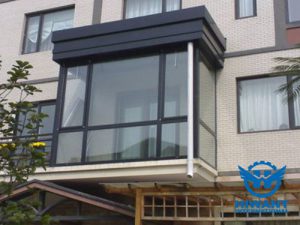
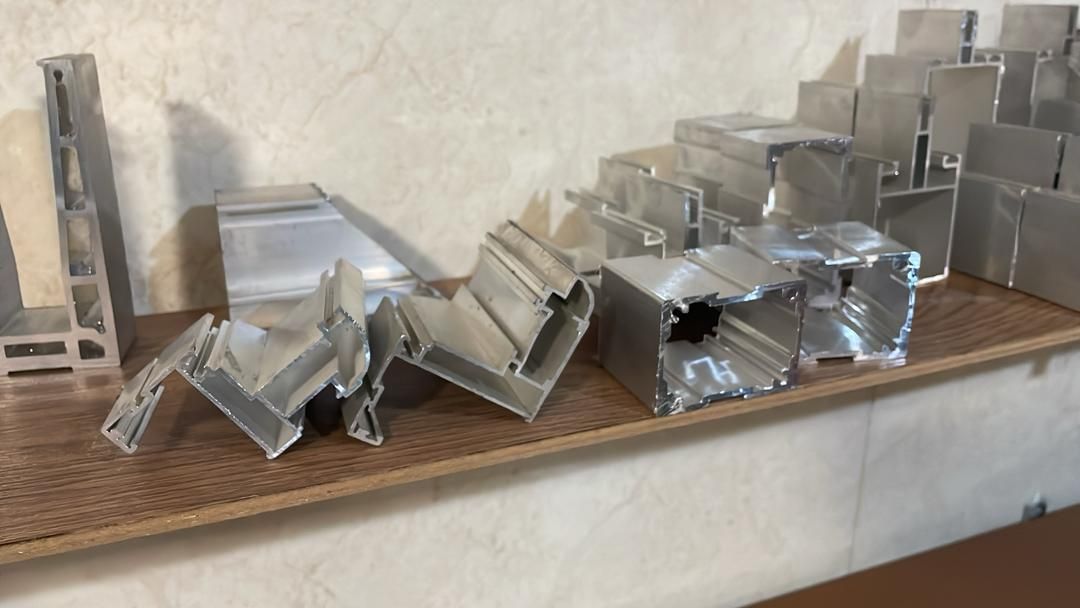
Curtain walls are a popular choice in modern architecture, providing a sleek and contemporary look to buildings while offering numerous benefits such as energy efficiency and natural light infiltration. A key component of curtain walls is aluminum profiles, known for their lightweight nature, structural integrity, and versatility. To further enhance their aesthetic appeal and durability, anodizing is a widely employed surface treatment technique. In this article, we will explore the process of anodizing aluminum profiles of curtain walls and the benefits it brings to architectural projects.
Understanding Anodizing:
Anodizing is an electrochemical process that forms a protective layer of oxide on the surface of aluminum. It involves immersing the aluminum profiles in an electrolyte solution and passing an electric current through them. This causes oxygen ions to combine with the aluminum, resulting in the formation of a durable and corrosion-resistant oxide layer. The thickness of this layer can be controlled, allowing for customization based on project requirements.
Benefits of Anodizing Aluminum Profiles:
- Enhanced Durability: Anodizing significantly improves the corrosion resistance of aluminum profiles, protecting them from harsh weather conditions, pollutants, and UV radiation. The anodic oxide layer acts as a barrier, preventing corrosion and ensuring the longevity of the curtain wall system.
- Aesthetic Versatility: Anodizing provides a wide range of color options for aluminum profiles. The anodic oxide layer can be dyed in various shades, allowing architects and designers to achieve their desired visual effect. Whether it’s a vibrant hue or a natural metallic appearance, anodizing offers versatility in color selection while maintaining the metallic luster of aluminum.
- Maintenance Ease: Anodized surfaces are non-porous, making them easy to clean and maintain. The oxide layer prevents dirt, dust, and other contaminants from penetrating the surface, reducing the need for frequent cleaning and minimizing the risk of discoloration or staining.
- Environmental Sustainability: Anodizing is an environmentally friendly process. Unlike other surface treatments, such as painting or powder coating, anodizing does not involve the use of solvents or emit harmful volatile organic compounds (VOCs). Additionally, aluminum is a highly recyclable material, allowing for a closed-loop system in which anodized profiles can be recycled and reused.
- Fire Resistance: Anodized aluminum profiles have inherent fire-resistant properties. The anodic oxide layer acts as a protective barrier, increasing the fire resistance of the curtain wall system. This characteristic enhances the safety of the building occupants and minimizes the potential spread of fire.
Additional Considerations for Anodizing Aluminum Profiles of Curtain Wall:
- Surface Preparation: Before anodizing, it is essential to properly prepare the aluminum profiles. This typically involves thorough cleaning and removal of any surface contaminants such as grease, oil, or dirt. Surface preparation ensures optimal adhesion of the anodic oxide layer, resulting in a uniform and durable finish.
- Anodizing Thickness: The thickness of the anodic oxide layer can be adjusted depending on the specific requirements of the project. Thicker coatings provide enhanced corrosion resistance and durability, making them suitable for curtain walls in coastal or industrial areas. Thinner coatings, on the other hand, may be preferred for achieving specific aesthetic effects.
- Post-Anodizing Treatments: While anodizing provides excellent protection and aesthetics, additional post-anodizing treatments can further enhance the properties of aluminum profiles. For instance, sealing the anodic oxide layer with a specialized sealant improves its corrosion resistance and color retention, ensuring long-lasting performance.
- Quality Control: Anodizing processes should adhere to strict quality control measures to ensure consistent results and meet industry standards. Quality control procedures may include regular testing of coating thickness, color consistency, adhesion, and corrosion resistance. By maintaining high-quality standards, the performance and appearance of the anodized aluminum profiles can be guaranteed.
- Collaborative Approach: Successful anodizing of aluminum profiles for curtain walls requires close collaboration between architects, designers, fabricators, and anodizing specialists. Early involvement of anodizing experts in the design and specification phase ensures that the desired performance and aesthetic goals are achieved. Their expertise can help address any potential challenges related to anodizing, such as material compatibility or intricate profile designs.
Conclusion:
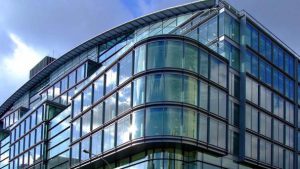
Anodizing aluminum profiles of curtain walls is a crucial step in enhancing both the aesthetics and durability of architectural projects. This electrochemical process provides numerous benefits, including improved corrosion resistance, customizable color options, easy maintenance, environmental sustainability, and enhanced fire resistance. Architects and designers can rely on anodizing to achieve visually striking and long-lasting curtain wall systems that complement the overall architectural vision. By considering factors such as surface preparation, anodizing thickness, post-anodizing treatments, quality control, and collaborative approaches, the successful implementation of anodized aluminum profiles can be ensured.

Leave A Comment