
Curtain wall floor connection detail
Introduction

The curtain wall system has revolutionized the modern architectural landscape, enabling designers to create visually stunning and energy-efficient buildings. One crucial aspect of an efficient curtain wall system is its seamless integration with the building’s floor structure. The curtain wall floor connection detail plays a pivotal role in ensuring both aesthetic appeal and structural integrity. In this article, we will explore the significance of this detail and the innovative solutions used to achieve a successful marriage of functionality and beauty.
Understanding Curtain Wall Floor Connections
The curtain wall system is a non-structural outer covering that protects a building’s interior from environmental elements while providing an opportunity to express the architectural vision. The vertical mullions and horizontal transoms that make up the curtain wall need to be skillfully connected to the building’s floor slabs without compromising the overall design or safety.
Challenges Faced in Curtain Wall Floor Connections
Designing a reliable curtain wall floor connection detail is not without its challenges. The primary concerns include:
- Differential Movement: Buildings experience various types of movements due to environmental factors like wind, thermal expansion and contraction, and settling. The connection between the curtain wall and the floor must accommodate these movements without causing any damage.
- Load Transfer: The curtain wall’s weight and forces acting on it need to be safely transferred to the building’s structure, ensuring stability and preventing excessive deflection.
- Thermal Bridging: Curtains walls are expected to provide good thermal insulation. However, improper floor connections can lead to thermal bridging, reducing the overall energy efficiency of the building.
Innovative Solutions for Curtain Wall Floor Connections
To address the challenges mentioned above, architects and engineers have devised several innovative solutions:
- Expansion Joints: By incorporating expansion joints in the curtain wall system, designers can allow for differential movements between the curtain wall and the floor. These joints are designed to flex and compress, accommodating shifts without compromising the overall structural integrity.
- Pressure Plates and Shear Blocks: Pressure plates and shear blocks are used to fasten the curtain wall to the floor structure. These components distribute the forces evenly, reducing stress concentrations and ensuring a robust connection.
- Thermally Broken Connections: To mitigate thermal bridging, thermally broken connections are employed. These connections include a non-conductive material between the curtain wall and the floor slab to minimize heat transfer and enhance energy efficiency.
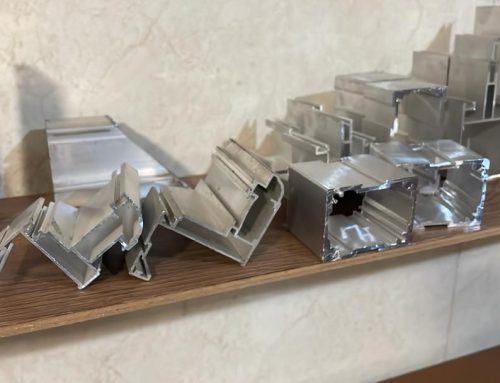
- Stiffeners and Anchors: Stiffeners can be added to curtain wall mullions to increase their rigidity and strength. Properly designed anchors securely fasten the curtain wall system to the building’s structure, providing the necessary load transfer.
- Adjustable Connections: Adjustable connections enable fine-tuning during installation, ensuring precise alignment and accommodating any minor deviations in the building’s construction.
Advancements in technology and materials have significantly influenced the evolution of curtain wall floor connections. Digital design tools and Building Information Modeling (BIM) have allowed architects and engineers to simulate and analyze different connection scenarios, leading to more informed decisions during the design process. Additionally, the introduction of new materials with improved thermal properties and structural performance has expanded the possibilities for creating efficient and aesthetically pleasing connections.
One notable development in recent years is the use of composite materials in curtain wall floor connections. These advanced materials offer a balance between strength and thermal insulation, addressing the challenge of thermal bridging effectively. By incorporating composites into pressure plates, shear blocks, and anchor components, designers can enhance energy efficiency and create sustainable building envelopes.
Moreover, with a growing emphasis on sustainable construction, the concept of adaptive facades has gained traction. Adaptive facades are curtain wall systems that respond to environmental conditions, optimizing energy use throughout the day. In this context, the floor connection plays a crucial role, as it must enable movement and flexibility while maintaining a tight seal to prevent air infiltration.
Another trend that has gained popularity in recent years is the integration of building-integrated photovoltaics (BIPV) within curtain walls. BIPV technology allows for the generation of electricity from solar panels incorporated directly into the building envelope. When implementing BIPV in curtain walls, the connection detail must account for the additional loads and ensure effective electrical connections without compromising the overall structural integrity.

In terms of construction methods, prefabrication and modularization have streamlined the installation process of curtain wall systems. Prefabricated panels, including the floor connections, are assembled off-site, reducing on-site construction time and minimizing disruption to the surrounding environment. This approach also enhances quality control and ensures consistent performance across all connections.
With the rise of smart buildings and the Internet of Things (IoT), curtain wall floor connections are becoming part of intelligent systems. Sensors and actuators embedded within the curtain wall can monitor environmental conditions and adjust the facade’s performance accordingly. For instance, sensors can detect temperature changes and automatically activate motorized expansion joints to accommodate thermal movement.

In conclusion, the curtain wall floor connection detail plays a pivotal role in modern architectural design. As the demand for high-performance, sustainable, and visually striking buildings continues to grow, the development of innovative connection solutions remains essential. By incorporating advanced materials, digital design tools, and intelligent systems, architects and engineers can push the boundaries of what is possible in curtain wall design, creating structures that harmoniously blend aesthetics, functionality, and environmental responsibility. With a relentless pursuit of excellence in connection design, the curtain wall system will undoubtedly remain an iconic element of contemporary architecture for years to come.


Leave A Comment