
Curtain Wall Details with dimensions
Introduction

Curtain walls play a crucial role in modern architectural design, providing buildings with stunning aesthetics, energy efficiency, and structural integrity. These lightweight, non-load-bearing facades consist of glass, metal, and other materials and are designed to shield the interior from the external elements while allowing ample natural light to flood the space. To achieve a seamless and efficient integration of curtain walls into architectural projects, meticulous attention to curtain wall details, including precise dimensions, is of paramount importance. In this article, we will explore the various curtain wall details and the significance of accurate dimensions in achieving a visually appealing and high-performing curtain wall system.
-
Frame Dimensions
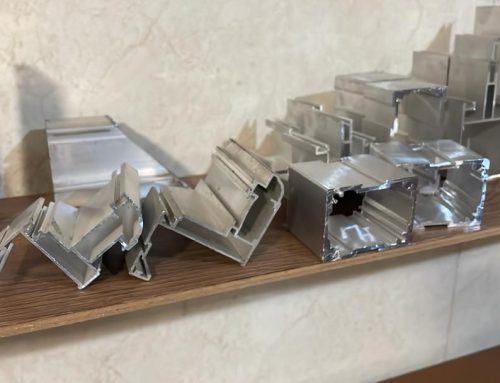
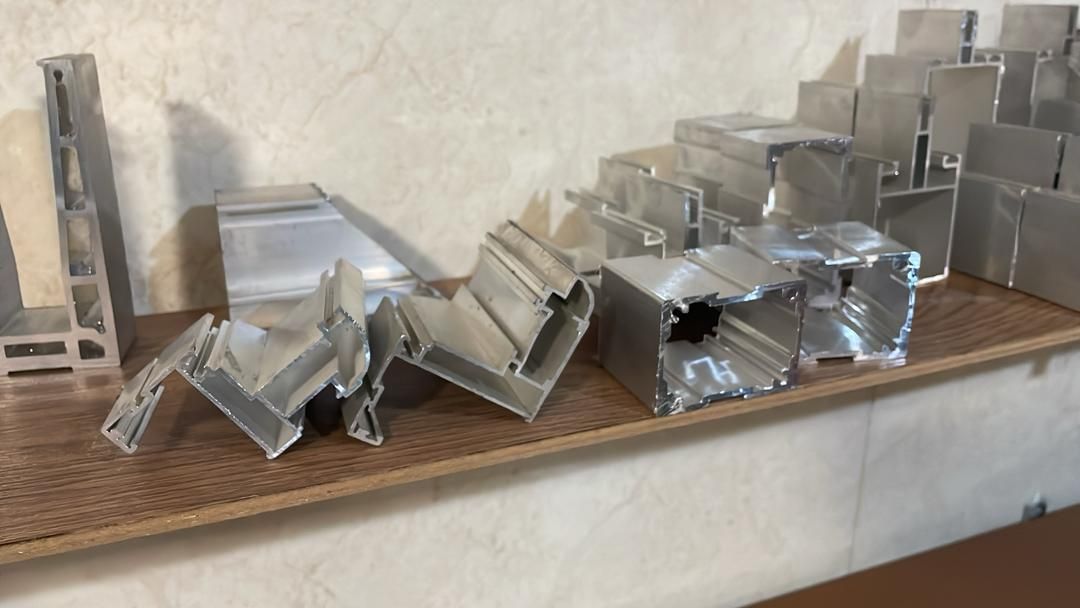
The frame of a curtain wall is the skeletal structure that holds the glazing panels together and connects to the building’s main structure. The dimensions of the frame elements are critical in determining the overall strength and stability of the curtain wall. Typical frame dimensions include:
- Mullions: Vertical members of the frame that separate adjacent glass panels. Their width can range from 75mm to 250mm or more, depending on the building’s height, design requirements, and wind loads.
- Transoms: Horizontal members that support the glazing panels. Transoms are generally wider than mullions, ranging from 100mm to 300mm.
- Mullion and Transom Depth: The depth of these frame members plays a significant role in determining the structural stability of the curtain wall. Depths can vary from 100mm to 250mm, depending on the loads and building height.
-
Glazing Panels
The glazing panels are the most prominent feature of a curtain wall, providing transparency, visibility, and aesthetics. The dimensions of the glazing panels depend on several factors, including:
- Glass Thickness: Common glass thicknesses range from 6mm to 12mm, depending on the building’s height and location. Thicker glass is used for larger spans and higher wind loads.
- Panel Width and Height: The dimensions of the glazing panels influence the appearance of the curtain wall. Panel widths usually range from 600mm to 1500mm, while the height can vary based on floor-to-ceiling height and architectural preferences.
- Mullion Spacing: The distance between adjacent mullions affects the overall appearance of the curtain wall. Typical mullion spacing ranges from 1.2m to 1.8m, but this can vary based on the structural and aesthetic requirements.
-
Insulation and Weather Sealing
To enhance energy efficiency and prevent air and water infiltration, curtain walls require proper insulation and weather sealing. The dimensions of insulation materials, such as polyurethane foam or mineral wool, play a vital role in achieving optimal thermal performance. Weather seals, such as EPDM gaskets, need precise dimensions to ensure an airtight and watertight curtain wall system.
-
Anchoring and Connection Details
Curtain walls must be securely anchored to the building structure to withstand wind loads and seismic forces. The dimensions of anchors, brackets, and connection details are critical in ensuring the structural integrity of the curtain wall. These elements must be designed to distribute loads evenly and to accommodate building movements without compromising the curtain wall’s performance.
-
Thermal Breaks and Condensation Management
In regions with extreme temperature variations, thermal breaks are introduced within the curtain wall frame to minimize heat transfer between the interior and exterior of the building. These thermal breaks are typically made of materials with low thermal conductivity, such as polyamide, and their dimensions are essential for optimizing energy efficiency.
Additionally, condensation management is crucial to prevent the buildup of moisture within the curtain wall system. Adequate dimensions for ventilation channels and drainage pathways ensure that any water that enters the system is channeled away from the interior of the building, reducing the risk of moisture-related issues and potential damage.
-
Aesthetics and Design Considerations
Apart from structural and performance aspects, the dimensions of curtain wall details significantly impact the aesthetic appeal of a building. The careful selection of mullion and transom widths, glazing panel dimensions, and mullion spacing contributes to the overall architectural character of the structure.
Architects and designers may opt for larger glass panels and minimal frame elements to create a sense of openness and lightness in the building’s appearance. On the other hand, smaller glass panels with prominent mullions and transoms might be preferred to evoke a more traditional or industrial look.
-
Installation Tolerances
During the construction and installation of curtain walls, precise dimensions are essential, but allowances for installation tolerances are equally important. Site conditions may not always be perfectly aligned or leveled, and manufacturing variances can occur. Therefore, incorporating tolerances in the curtain wall design ensures that the installation process is efficient and allows for minor adjustments to achieve an accurate and level installation.
-
Compliance with Building Codes and Regulations
Curtain wall design and dimensions must adhere to local building codes and regulations. Authorities often stipulate minimum safety requirements, wind load resistance, energy efficiency standards, and fire safety measures. Engaging with qualified engineers and consultants is essential to ensure that the curtain wall design complies with all relevant codes and standards.
-
Maintenance and Lifecycle Considerations
Curtain walls are long-term building components that require proper maintenance and periodic inspections to retain their performance and aesthetics. Careful consideration of dimensions and material choices can influence the ease of maintenance and the longevity of the curtain wall system.
Conclusion
In conclusion, curtain wall details with precise dimensions are vital in creating a successful and high-performing building envelope. The careful selection and design of frame elements, glazing panels, insulation, anchoring systems, and other components contribute to the overall aesthetics, energy efficiency, and structural integrity of the curtain wall system. Collaboration between architects, engineers, and manufacturers is key to ensuring that the curtain wall meets the project’s objectives while adhering to building codes and regulations. By taking these factors into account, architects can continue to push the boundaries of modern architectural design and create visually stunning, functional, and sustainable buildings with cutting-edge curtain wall systems.

Wow, superb blog format! How lengthy have you been blogging for?
you make blogging glance easy. The whole glance of your website is
great, let alone the content material! You can see similar: