
Curtain wall design system
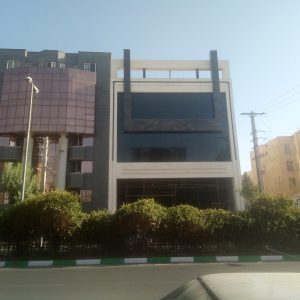
Curtain wall design systems are an important aspect of modern architecture. These systems provide a high level of flexibility, functionality, and aesthetic appeal. In this article, we will discuss the concept of curtain wall design systems, their importance, and how they work.
What is a Curtain Wall?
A curtain wall is a non-load bearing wall system that is typically used on the exterior of commercial buildings. It consists of a series of vertical and horizontal framing members that are designed to support the weight of the glazing and any other components, such as louvers or sunshades. The glazing itself can be made of various materials, including glass, aluminum, and polycarbonate.
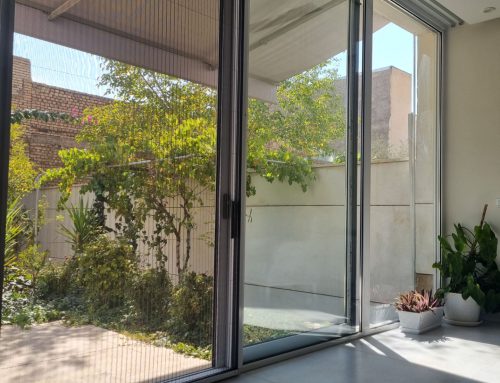
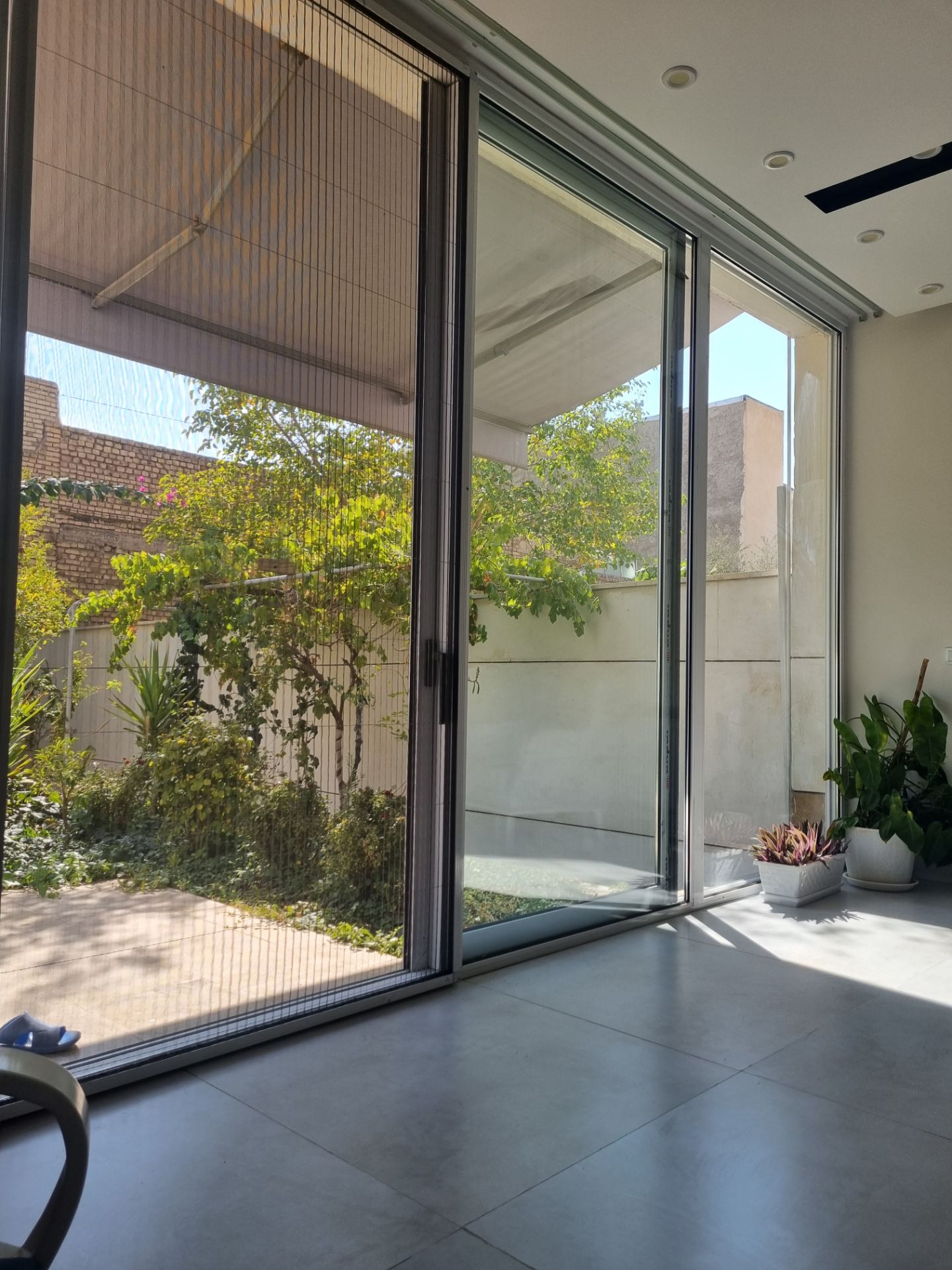
The concept of a curtain wall is that it acts as a barrier between the interior and exterior of the building, while still allowing natural light to enter the space. The design of the system also allows for ventilation, which is important for maintaining the comfort of the occupants of the building.
Types of Curtain Wall Design Systems
There are several types of curtain wall design systems available, each with its own advantages and disadvantages. Some of the most common types include:
- Stick-Built Systems – This is the most traditional type of curtain wall design system. It involves assembling the individual framing members on site, which can be time-consuming and labor-intensive. However, it provides a high degree of flexibility and can be customized to fit almost any building design.
- Unitized Systems – Unitized systems involve pre-assembling the framing members and glazing into panels at the factory. These panels are then transported to the construction site and installed, which can save a significant amount of time and labor.
- Semi-Unitized Systems – This type of system is a hybrid between stick-built and unitized systems. The framing members are assembled on site, but the glazing is pre-assembled into panels at the factory. This allows for greater efficiency during installation, while still providing some degree of customization.
- Point-Supported Systems – These systems use point-fixings, such as bolts or pins, to support the glazing. This creates a more minimalistic look and allows for larger spans of glazing, but can be more expensive and difficult to install.
Importance of Curtain Wall Design Systems
Curtain wall design systems are important for several reasons. First and foremost, they provide a high degree of flexibility in building design. Because the glazing can be customized to fit almost any shape or size, architects have more freedom in creating unique and visually appealing buildings.
In addition, curtain walls are an important component of sustainable building design. By allowing natural light into the building, they can reduce the need for artificial lighting and therefore save energy. They also provide a level of insulation, which can reduce the building’s heating and cooling requirements.
Finally, curtain walls are an important component of building safety. Because they act as a barrier between the interior and exterior of the building, they can help prevent the spread of fire or smoke in the event of a fire. They can also provide protection from extreme weather conditions, such as high winds or heavy rain.
How Curtain Wall Design Systems Work
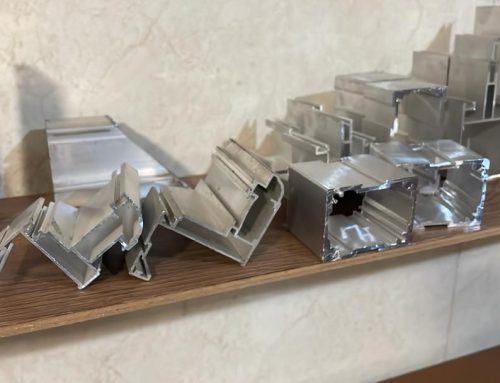
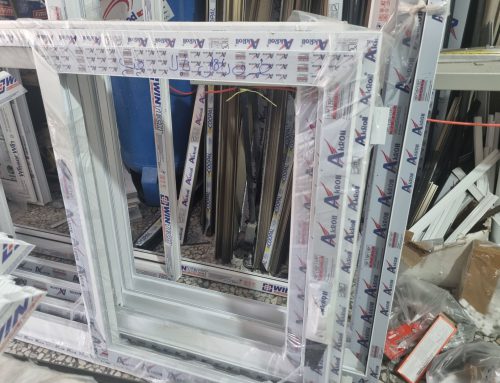
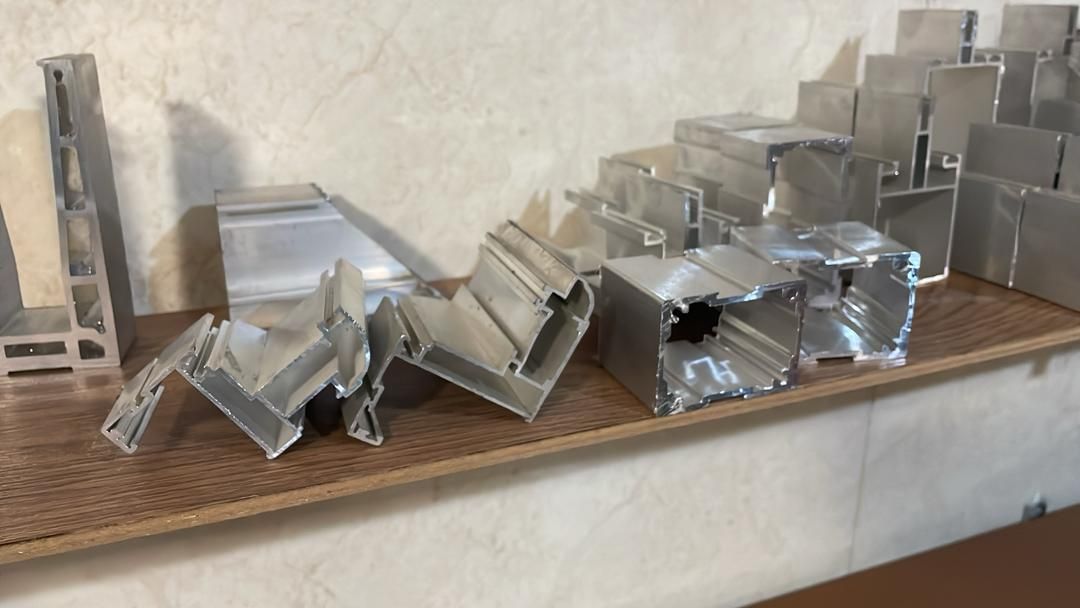
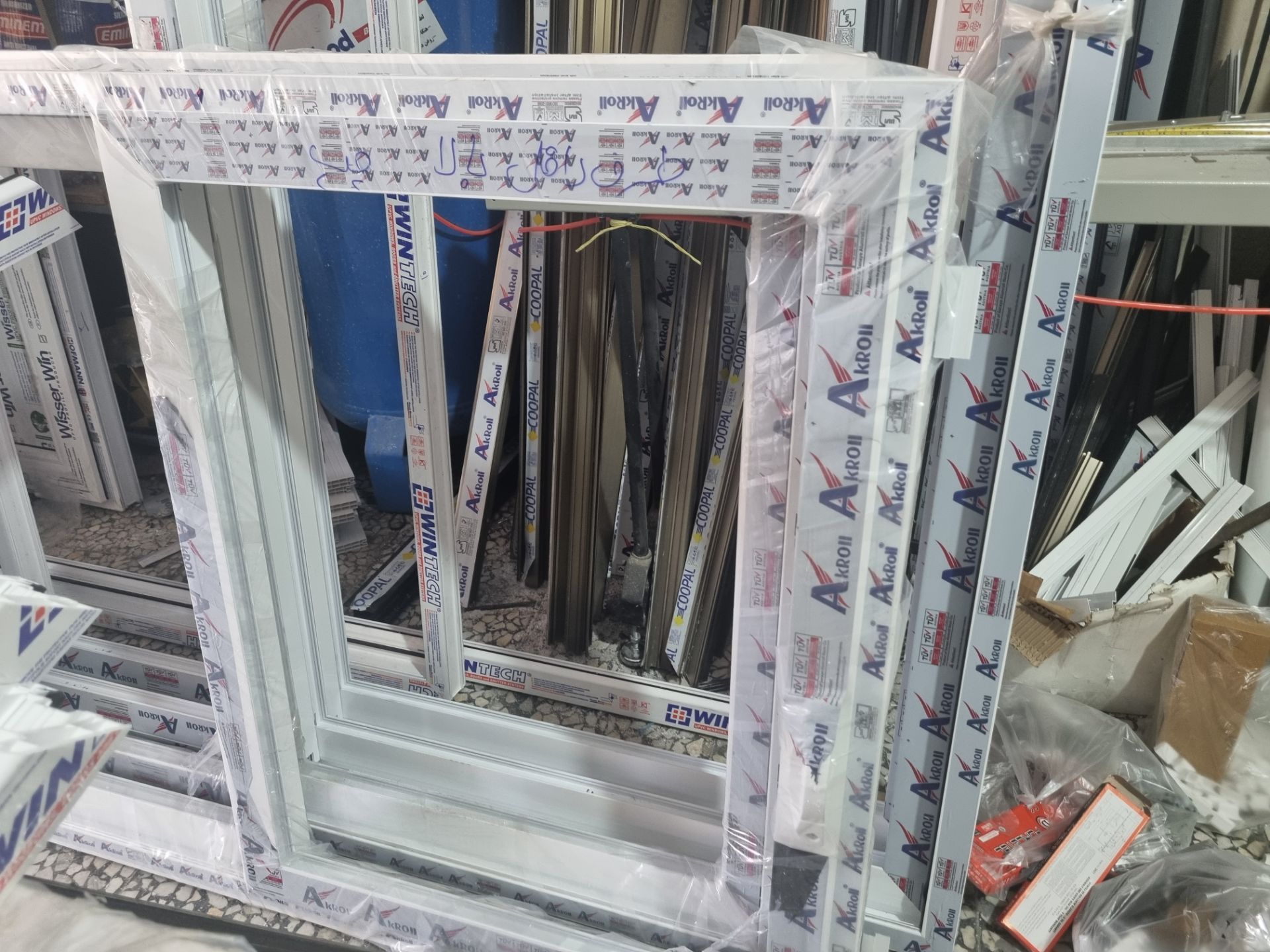
Curtain wall design systems work by using a combination of framing members and glazing to create a non-load bearing wall. The framing members are typically made of aluminum or steel, and are designed to support the weight of the glazing and any other components.
The glazing itself can be made of various materials, including tempered glass, laminated glass, and polycarbonate. The choice of glazing material will depend on factors such as the building’s location, the desired level of insulation, and the required level of security.
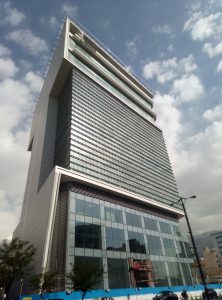
Once the framing members and glazing are assembled, they are attached to the building’s structure using a variety of attachment methods, such as brackets or clips.
Curtain wall design systems also incorporate other components, such as louvers or sunshades, to provide additional functionality and aesthetic appeal. Louvers are typically used for ventilation and can be designed to open and close automatically based on the temperature or airflow in the building. Sunshades are used to block direct sunlight, which can help reduce the building’s cooling requirements.
One of the key benefits of curtain wall design systems is their ability to be customized to fit almost any building design. This level of customization is achieved through the use of different framing profiles, glazing materials, and other components. For example, some buildings may require a more minimalistic design with large spans of glazing and point-supported systems, while others may require a more traditional design with stick-built systems and smaller spans of glazing.
In addition to their flexibility and customization options, curtain wall design systems are also an important component of sustainable building design. By allowing natural light into the building, they can reduce the need for artificial lighting and therefore save energy. They also provide a level of insulation, which can reduce the building’s heating and cooling requirements.
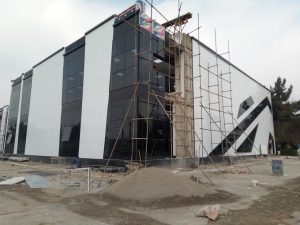
Another important aspect of curtain wall design systems is their ability to provide a high level of safety and security. Because they act as a barrier between the interior and exterior of the building, they can help prevent the spread of fire or smoke in the event of a fire. They can also provide protection from extreme weather conditions, such as high winds or heavy rain.
Overall, curtain wall design systems are an important aspect of modern architecture. They provide a high degree of flexibility, functionality, and aesthetic appeal, while also contributing to sustainable building design and building safety. With their ability to be customized to fit almost any building design and their wide range of benefits, it is no surprise that they are becoming increasingly popular in commercial building design.
However, there are some potential drawbacks to curtain wall design systems that should be considered. One of the main challenges is the potential for water infiltration, particularly in areas with heavy rainfall or high wind loads. This can lead to damage to the building’s structure, as well as mold and other health hazards.
To address this issue, curtain wall systems typically incorporate a variety of waterproofing and drainage components, such as weep holes and flashing. It is important to work with experienced designers and contractors who are knowledgeable about these systems and can ensure that the installation is done correctly.
Another potential challenge with curtain wall design systems is their maintenance requirements. Because the glazing is exposed to the elements, it can become dirty or damaged over time. This can be particularly challenging for buildings that are located in areas with high levels of air pollution or other environmental factors that can contribute to the degradation of the glazing.
To address these maintenance issues, it is important to have a regular maintenance schedule in place, including cleaning and inspection of the glazing and other components. It is also important to select glazing materials that are durable and easy to maintain, such as tempered glass or coated glass.
In conclusion, curtain wall design systems are an important aspect of modern commercial building design. They provide a high degree of flexibility, functionality, and aesthetic appeal, while also contributing to sustainable building design and building safety. With their ability to be customized to fit almost any building design and their wide range of benefits, it is no surprise that they are becoming increasingly popular in commercial building design. However, it is important to be aware of the potential challenges and to work with experienced designers and contractors to ensure that the installation is done correctly and that the system is properly maintained over time.

Leave A Comment