
Curtain wall design construction
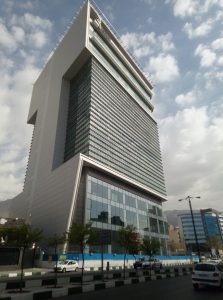
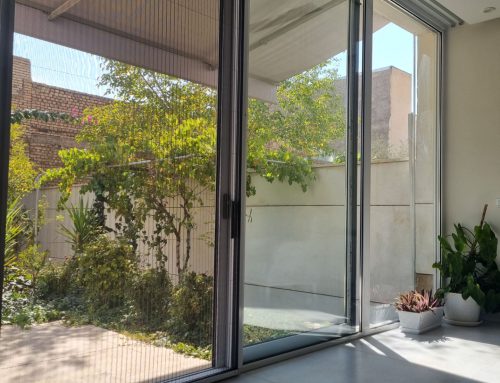
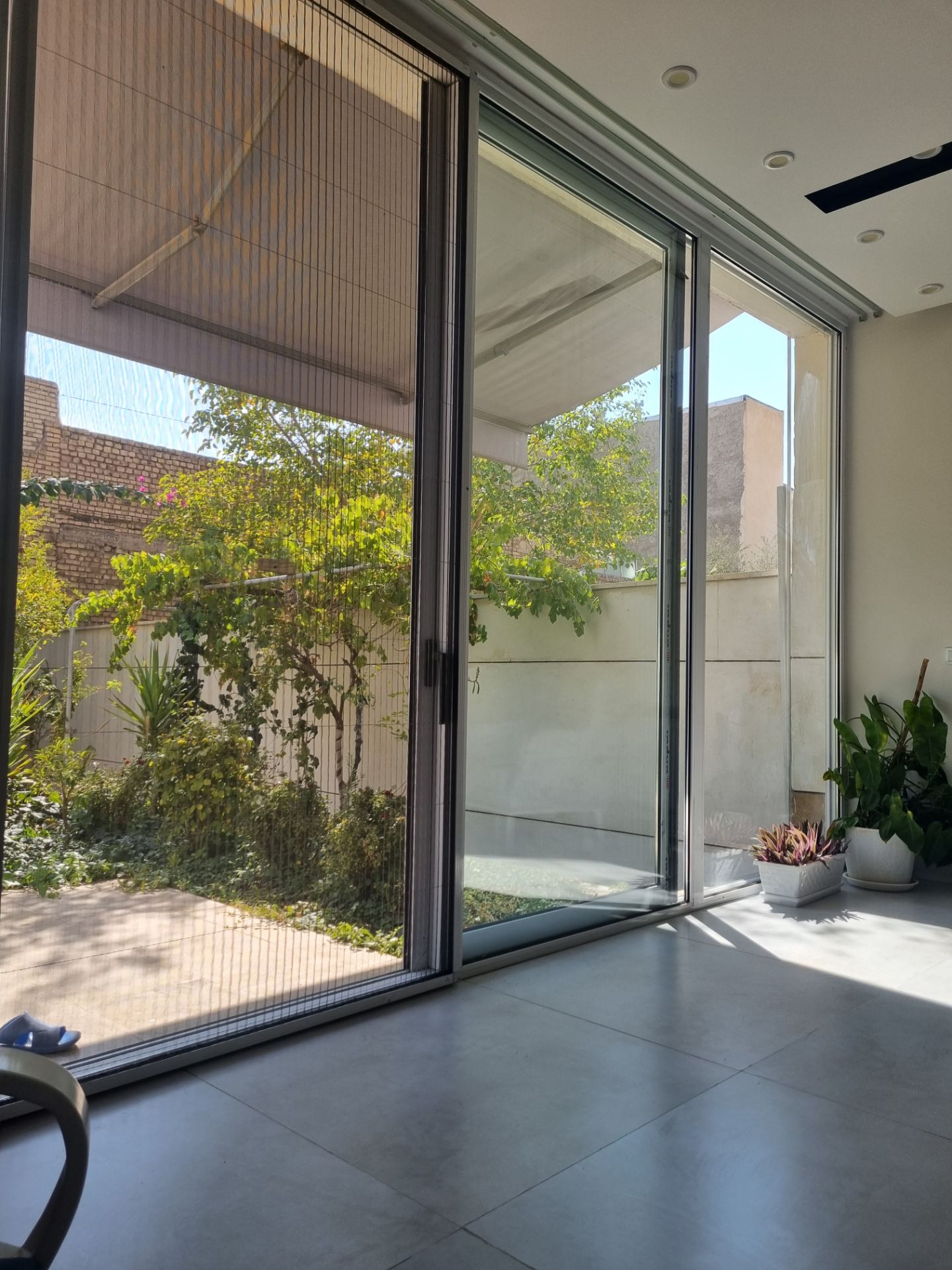
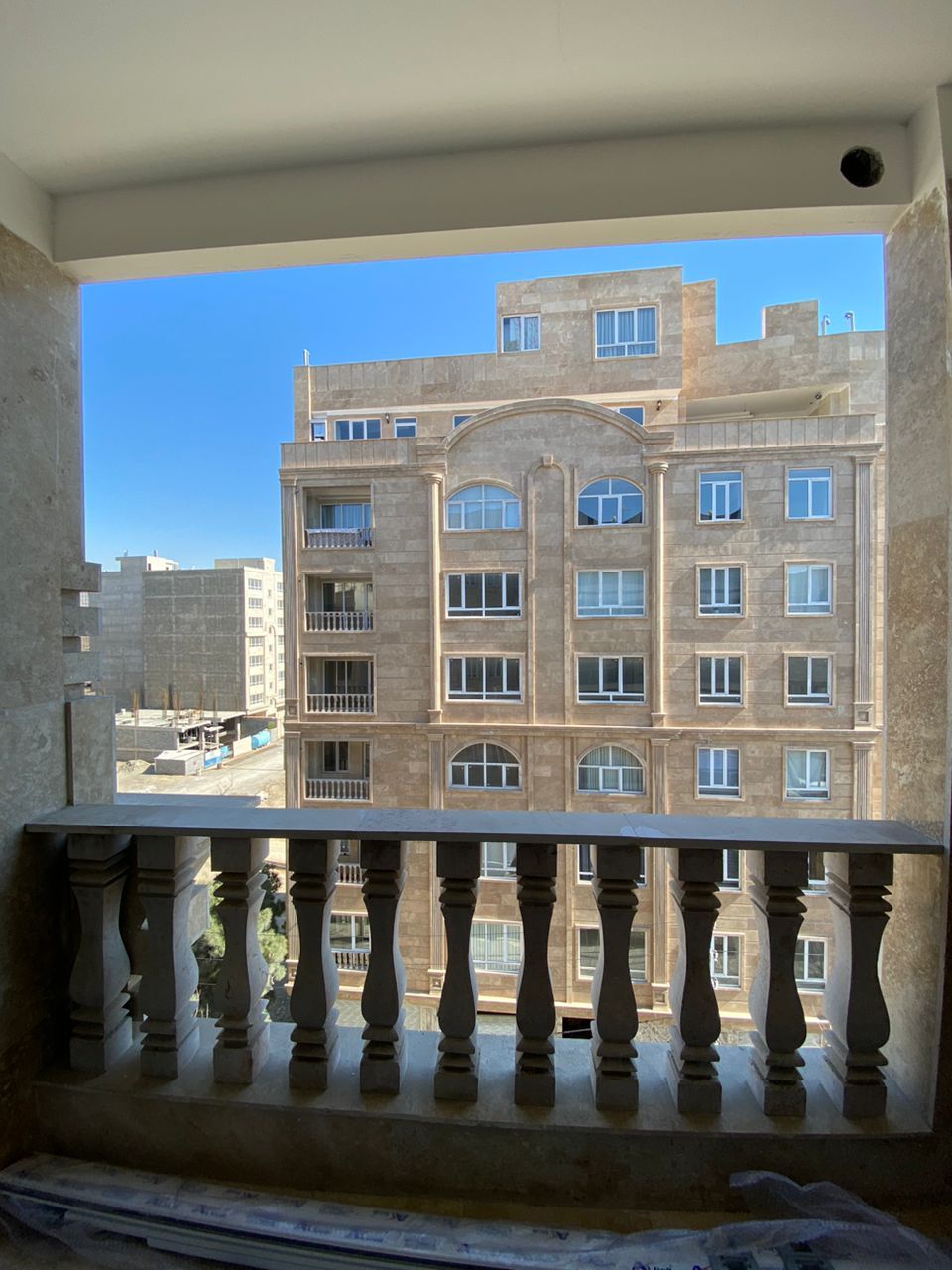
Curtain walls are an essential component of modern architectural design, providing a sleek and contemporary look while also enhancing energy efficiency and environmental sustainability. Curtain walls are typically made up of lightweight aluminum frames, which are covered in glass, metal panels, or other materials, creating a continuous wall that sits independently of the building structure. In this article, we will explore the various aspects of curtain wall design construction, including materials, fabrication, installation, and maintenance.
Materials
Curtain walls can be constructed from a wide range of materials, including glass, aluminum, steel, and composite materials. The choice of material depends on several factors, including aesthetics, structural requirements, energy efficiency, and cost.
Glass is a popular choice for curtain wall construction due to its transparency, durability, and ability to provide natural light. Glass can be tempered, laminated, or insulated to improve its strength, safety, and energy efficiency. Tempered glass is heat-treated to increase its strength, making it less prone to breakage. Laminated glass consists of two or more layers of glass with a plastic interlayer, which increases its strength and safety. Insulated glass units (IGUs) consist of two or more glass panes separated by an air or gas-filled space, which improves thermal insulation.
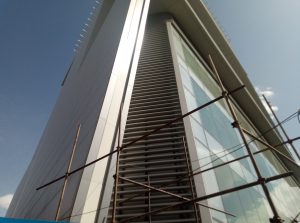
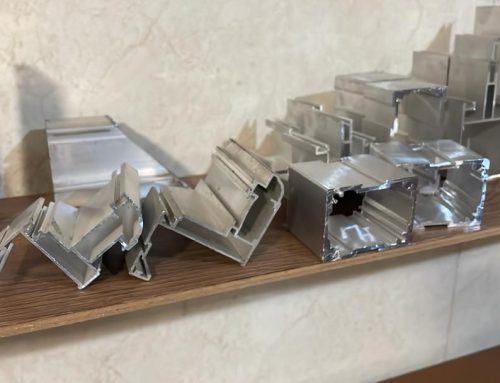
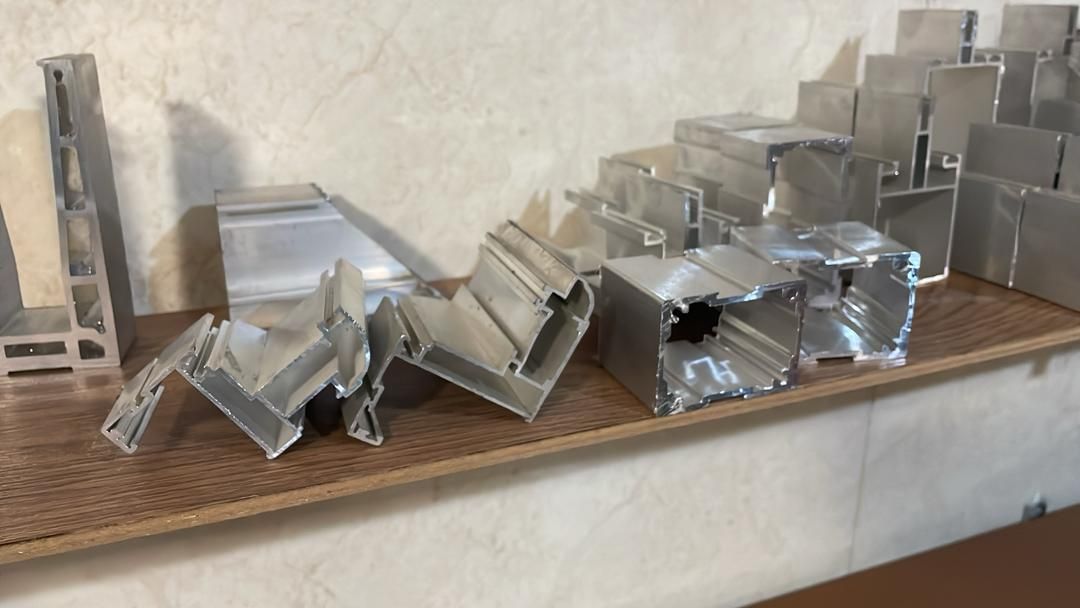
Aluminum is the most common frame material used in curtain wall construction due to its lightweight, corrosion-resistant, and easy to fabricate properties. Aluminum frames can be extruded into various shapes and sizes, providing architects and designers with greater design flexibility. Steel frames are also used in curtain wall construction for their superior strength and durability but are less commonly used than aluminum frames due to their weight and susceptibility to corrosion.
Composite materials such as fiber-reinforced polymers (FRPs) and carbon fiber are becoming increasingly popular in curtain wall construction due to their high strength-to-weight ratio, corrosion resistance, and design flexibility.
Fabrication
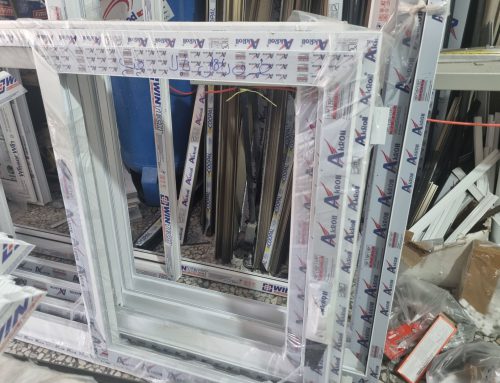
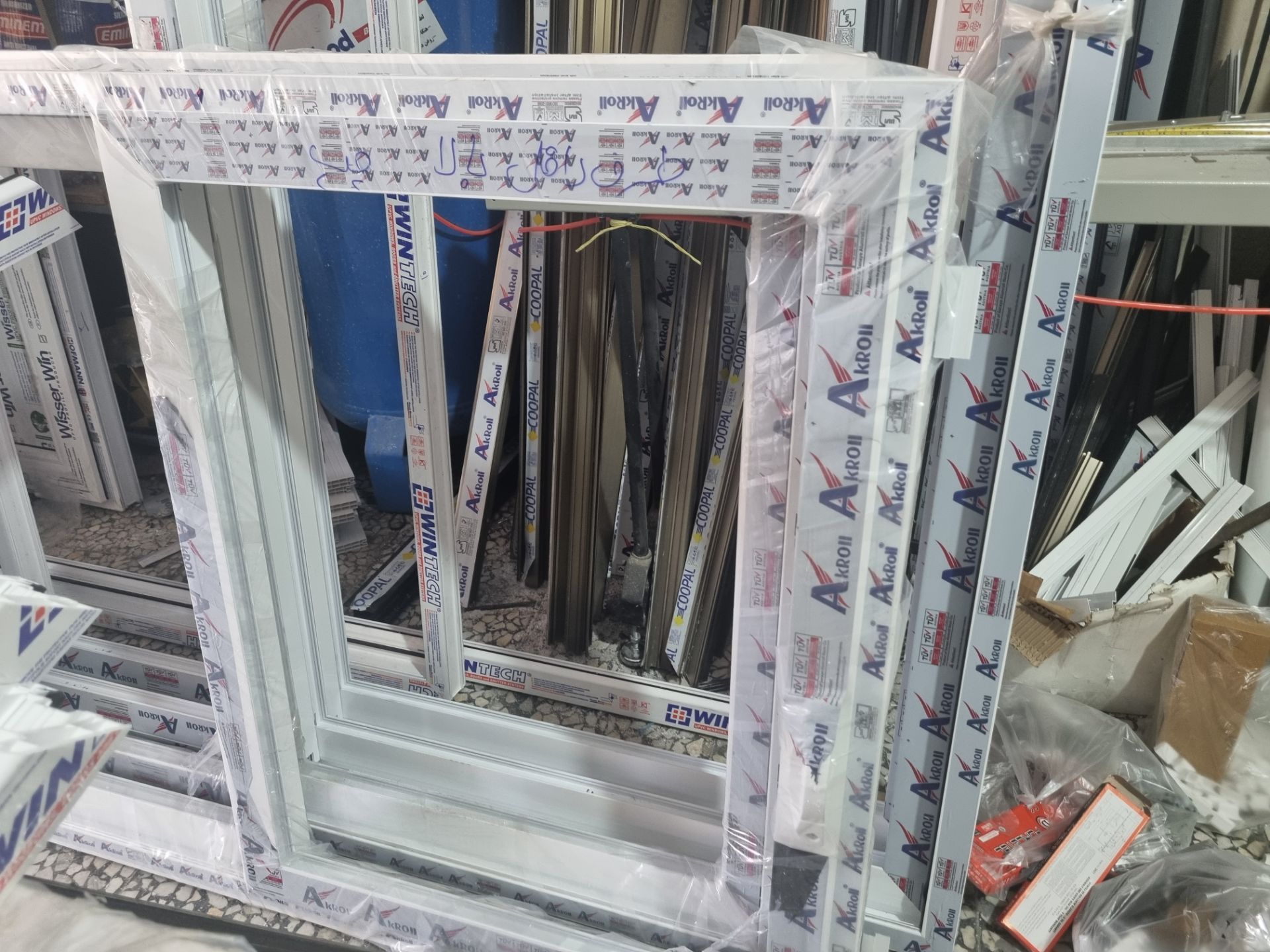
The fabrication of curtain wall components typically involves three stages: design, fabrication, and assembly. The design stage involves the creation of detailed drawings and specifications, including the size and shape of the components, the choice of materials, and the structural requirements. The fabrication stage involves the cutting, shaping, and finishing of the individual components, such as aluminum extrusions and glass panes. The assembly stage involves the fitting and sealing of the components, including the installation of gaskets, sealants, and fasteners.
Modern fabrication methods, such as computer-aided design (CAD) and computer-aided manufacturing (CAM), have revolutionized the curtain wall construction process, enabling architects and designers to create more complex and intricate designs with greater accuracy and efficiency.
Installation
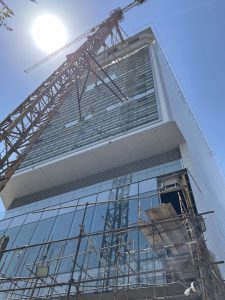
Curtain wall installation typically involves two methods: stick-built and unitized systems. Stick-built systems involve the installation of individual components on-site, including the aluminum frames, glass panes, and sealants. This method requires more labor and time but provides greater flexibility in terms of design and customization.
Unitized systems involve the fabrication and assembly of curtain wall components off-site into larger panels or modules, which are then transported to the construction site and installed as a complete unit. This method reduces installation time and labor costs but requires greater planning and coordination during the design and fabrication stages.
Maintenance
Proper maintenance of curtain walls is essential for ensuring their longevity, performance, and appearance. Regular cleaning and inspection of the glass and frame components can help prevent corrosion, water leakage, and other types of damage. The type and frequency of maintenance required will depend on several factors, including the location of the building, the weather conditions, and the type of material used in the curtain wall construction.
Conclusion
In conclusion, curtain wall design construction is a complex and intricate process that involves several stages, including materials selection, fabrication, installation, and maintenance. The choice of materials, such as glass, aluminum, steel, and composite materials, depends on several factors, including aesthetics, structural requirements, energy efficiency, and cost. The fabrication process involves the creation of detailed drawings and specifications, cutting, shaping, and finishing of individual components, and fitting and sealing of the components during the assembly stage. Modern fabrication methods, such as CAD and CAM, have made the process more efficient and accurate.
Curtain wall installation can be done through two methods: stick-built and unitized systems. Stick-built systems involve the installation of individual components on-site, which provide greater flexibility in terms of design and customization but require more labor and time. Unitized systems, on the other hand, involve the fabrication and assembly of curtain wall components off-site into larger panels or modules, which are then transported to the construction site and installed as a complete unit. This method reduces installation time and labor costs but requires greater planning and coordination during the design and fabrication stages.
Proper maintenance of curtain walls is essential to ensure their longevity, performance, and appearance. Regular cleaning and inspection of the glass and frame components can help prevent corrosion, water leakage, and other types of damage. The type and frequency of maintenance required will depend on several factors, including the location of the building, the weather conditions, and the type of material used in the curtain wall construction.
In addition to their aesthetic appeal, curtain walls offer several benefits to building owners and occupants. These include enhanced energy efficiency, improved natural lighting, increased indoor air quality, and reduced noise pollution. The use of sustainable and eco-friendly materials in curtain wall construction also contributes to the building’s overall environmental performance and sustainability.
However, there are also some challenges associated with curtain wall design construction, such as the risk of water leakage, air infiltration, and thermal bridging. These issues can be addressed through careful design, material selection, and installation techniques, such as the use of thermal breaks, air barriers, and sealants.
In conclusion, curtain wall design construction is a critical component of modern architectural design that provides numerous benefits to building owners and occupants. The process involves several stages, including materials selection, fabrication, installation, and maintenance. Proper maintenance is essential to ensure the longevity, performance, and appearance of curtain walls, and the use of sustainable materials contributes to the building’s overall environmental performance and sustainability. Despite the challenges associated with curtain wall design construction, careful design, material selection, and installation techniques can help address these issues and ensure the success of the project.
Furthermore, the use of advanced technology in the design and construction of curtain walls has revolutionized the industry, making the process more efficient and accurate. For instance, Building Information Modeling (BIM) software allows architects, engineers, and contractors to collaborate and share information throughout the project lifecycle, enabling better decision-making and reducing errors and rework. Similarly, virtual and augmented reality tools enable stakeholders to visualize the final product and make changes before construction begins, reducing costs and time.
Another trend in curtain wall design construction is the integration of smart technologies, such as sensors, actuators, and automation systems. These technologies can enhance the performance and functionality of curtain walls by regulating temperature, air quality, and lighting, among other parameters. For instance, sensors can detect the level of natural light and adjust the artificial lighting accordingly, reducing energy consumption and improving comfort. Similarly, automation systems can control the opening and closing of windows and vents, regulating air flow and temperature.
In conclusion, the curtain wall design construction industry is continually evolving, driven by advancements in materials, technology, and sustainability. The process involves several stages, including materials selection, fabrication, installation, and maintenance, and requires careful planning, coordination, and communication among stakeholders. The use of sustainable materials, advanced technology, and smart systems can enhance the performance and functionality of curtain walls and contribute to the overall environmental performance and sustainability of buildings. As such, it is essential for architects, engineers, and contractors to stay up-to-date with the latest trends and best practices in curtain wall design construction to ensure the success of their projects.

Leave A Comment