
Curtain wall aluminum profiles
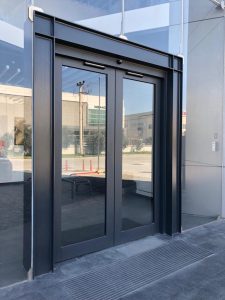
Curtain wall systems are a common feature in modern architecture. They provide a cost-effective way to create large, lightweight facades that can be adapted to suit a range of building designs. A curtain wall system is typically composed of glass, aluminum frames, and supporting components. Aluminum profiles are an essential part of this system, as they provide a lightweight, durable, and aesthetically pleasing framework for the glass panels.
In this article, we will take a closer look at curtain wall aluminum profiles and their importance in the construction of modern buildings.
What are Curtain Wall Aluminum Profiles?
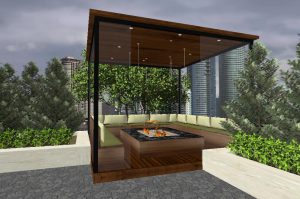
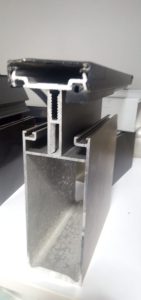
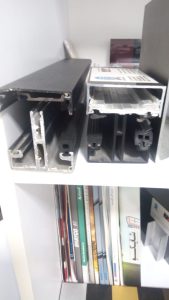
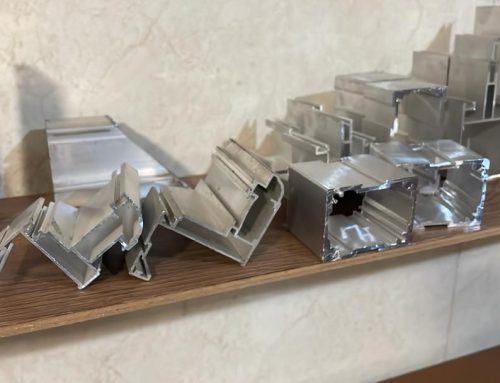
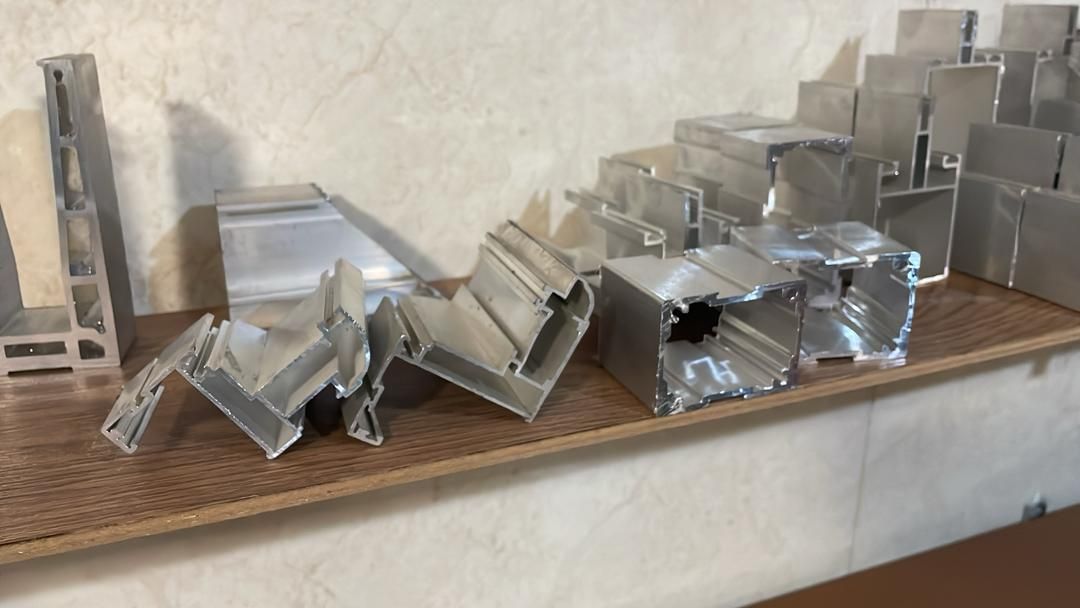
Curtain wall aluminum profiles are the framing components used in the construction of curtain wall systems. These profiles are typically made from extruded aluminum, which is lightweight, strong, and corrosion-resistant. Aluminum profiles are available in a variety of shapes and sizes, allowing architects and engineers to customize the design of the curtain wall system to suit the requirements of the building.
The aluminum profiles used in curtain wall systems are designed to be as lightweight as possible while still providing the necessary structural support for the glass panels. This is achieved by using a thin-walled profile with internal reinforcing ribs. The thickness and shape of the profile can be adjusted to suit the specific requirements of the building, with thicker and deeper profiles used for larger facades.
Aluminum profiles are also designed to be easy to install and maintain. They are typically pre-fabricated offsite and shipped to the construction site ready for installation. This allows for faster installation times and reduces the need for on-site fabrication, which can be time-consuming and expensive.
Benefits of Curtain Wall Aluminium Profiles
There are several benefits of using aluminium profiles in curtain wall systems. These include:
Lightweight: Aluminum is a lightweight material, making it ideal for use in large curtain wall facades. The use of lightweight materials reduces the load on the building structure, which can result in cost savings and easier installation.
Durable: Aluminum is a highly durable material that is resistant to corrosion and weathering. This makes it ideal for use in exterior applications, where it will be exposed to the elements.
Aesthetically pleasing: Aluminum profiles are available in a range of shapes and sizes, allowing architects and engineers to customize the design of the curtain wall system to suit the requirements of the building. Aluminum profiles can be finished with a range of coatings and finishes, including anodizing and powder coating, to provide a durable and attractive finish.
Energy-efficient: Curtain wall systems can help to reduce the energy consumption of a building by providing an effective barrier against heat loss and solar gain. The use of aluminum profiles in the construction of curtain walls can further enhance this energy efficiency by reducing the weight of the system and allowing for the use of larger glass panels.
Cost-effective: Aluminum profiles are a cost-effective option for the construction of curtain wall systems. The use of lightweight materials reduces the cost of transportation and installation, while the pre-fabricated nature of the profiles reduces the need for on-site fabrication.
Types of Curtain Wall Aluminium Profiles
There are several different types of curtain wall aluminum profiles, each with its own unique properties and advantages. Some of the most common types of profiles include:
Stick-built curtain wall systems: Stick-built curtain wall systems are constructed on-site using individual aluminum profiles that are assembled and installed piece by piece. These systems offer a high degree of customization and flexibility, as each profile can be tailored to suit the specific requirements of the building.
Unitized curtain wall systems: Unitized curtain wall systems are pre-fabricated offsite and shipped to the construction site ready for installation. These systems are typically constructed in modules that are connected together on-site, resulting in faster installation times and reduced labor costs.
Semi-unitized curtain wall systems: Semi-unitized curtain wall systems combine elements of both stick-built and unitized systems. They are constructed on-site using pre-fabricated modules that are assembled and installed in sections. This allows for a high degree of customization while still reducing the need for on-site fabrication.
Pressure-equalized rain screen systems: Pressure-equalized rain screen systems are designed to prevent water infiltration into the building while allowing for air flow and moisture control. These systems use aluminum profiles with specially designed gaskets and seals to create a pressure-equalized chamber that prevents water from entering the building.
Structural glazing systems: Structural glazing systems use silicone sealants to bond the glass panels directly to the aluminum frame, creating a frameless appearance. These systems offer a sleek and modern look, but require a higher level of precision in installation and are typically more expensive.
Conclusion
Curtain wall aluminium profiles are an essential component of modern building design. They provide a lightweight, durable, and aesthetically pleasing framework for the glass panels that make up curtain wall systems. The use of aluminum profiles offers several advantages, including energy efficiency, cost-effectiveness, and flexibility in design. Architects and engineers can choose from a range of different types of aluminum profiles to customize the curtain wall system to suit the specific requirements of the building. With their many benefits, it is clear that curtain wall aluminum profiles will continue to play a vital role in the construction of modern buildings for years to come.

Leave A Comment