
Curtain wall aluminium profile
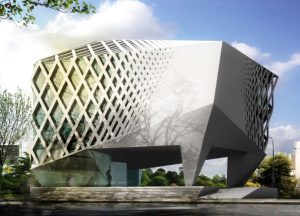
Curtain wall systems are a popular choice in modern construction due to their versatility and aesthetic appeal. These systems consist of an outer layer of cladding that is attached to the building structure using a supporting frame. One of the most commonly used materials for curtain wall systems is aluminium. Aluminium profiles offer a range of benefits that make them ideal for use in curtain walls. In this article, we will explore the advantages of using aluminium profiles in curtain walls, the different types of profiles available, and how they are installed.
Advantages of Using Aluminium Profiles in Curtain Walls
One of the main benefits of using aluminium profiles in curtain walls is their strength and durability. Aluminium is a lightweight but strong material that can withstand high wind loads and seismic activity. This makes it an ideal choice for buildings in areas with harsh weather conditions. Aluminium profiles are also resistant to corrosion and can withstand exposure to the elements, making them an ideal choice for curtain wall systems that are exposed to the outdoors.
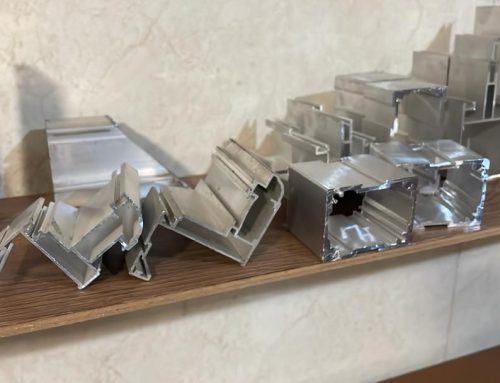
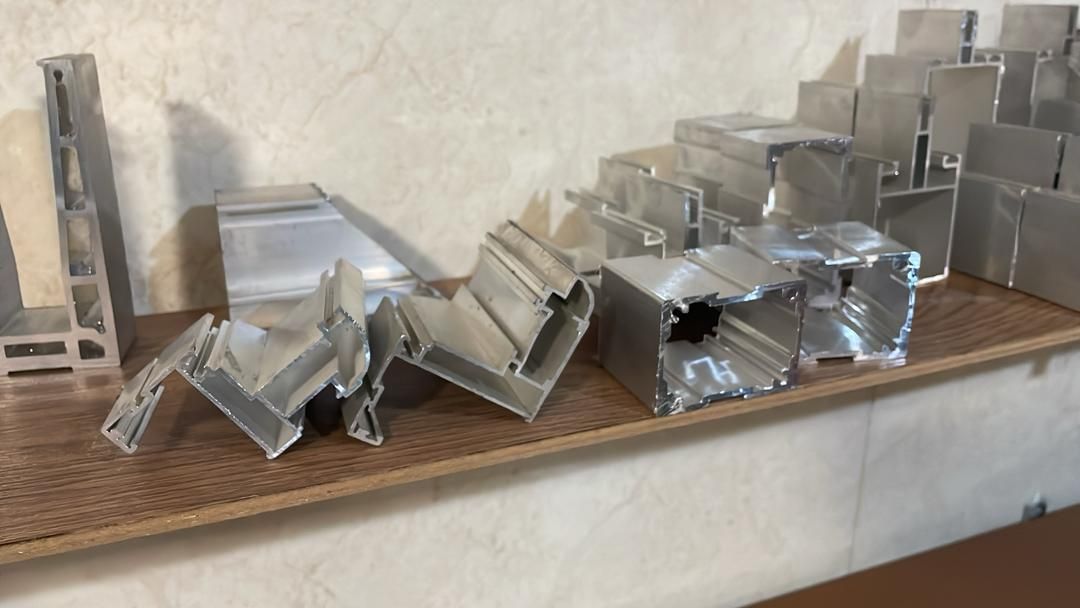
Another advantage of using aluminium profiles in curtain walls is their flexibility. Aluminium profiles can be extruded into different shapes and sizes, allowing them to be customized to meet the specific needs of a building. This flexibility also means that aluminium profiles can be easily installed in different configurations, including single or double-glazed systems, and can be used to create complex shapes and designs.
Aluminium profiles also offer a high level of thermal performance. They have a low thermal conductivity, which means that they can help to reduce heat loss from buildings, leading to energy savings and lower heating bills. Aluminium profiles can also be combined with other materials, such as thermal breaks, to further enhance their thermal performance.
Types of Aluminium Profiles
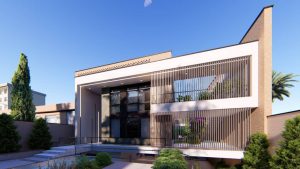
There are several types of aluminium profiles that can be used in curtain walls, including:
Standard Profiles: These profiles are the most commonly used in curtain wall systems. They are available in a range of sizes and can be customized to meet specific design requirements.
Thermal Break Profiles: These profiles include a thermal break that separates the internal and external faces of the profile, helping to reduce thermal bridging and improve the overall thermal performance of the curtain wall system.
Unitised Profiles: These profiles are pre-fabricated in a factory and are designed to be assembled on site. They are a popular choice for large commercial buildings and can help to reduce installation time and costs.
Stick-Built Profiles: These profiles are assembled on site and are a popular choice for smaller buildings or buildings with complex shapes and designs.
Installation of Aluminium Profiles in Curtain Walls
The installation of aluminium profiles in curtain walls is a complex process that requires a high level of expertise and precision. The first step in the installation process is to prepare the building structure by installing anchors and support brackets. The aluminium profiles are then attached to the support brackets using screws or bolts.
Once the profiles are in place, the next step is to install the glass or cladding panels. This is done by placing the panels into the profiles and securing them in place using gaskets or silicone sealants. The final step is to install any necessary flashings and finishes, such as capping and trims.
Conclusion
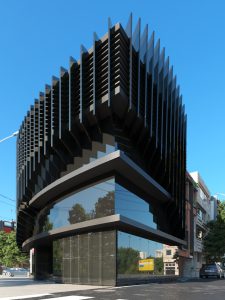
Aluminium profiles are a popular choice for curtain wall systems due to their strength, durability, flexibility, and thermal performance. They are available in a range of types, including standard, thermal break, unitised, and stick-built profiles, and can be customized to meet the specific needs of a building.
The installation of aluminium profiles in curtain walls requires a high level of expertise and precision, but with proper installation and maintenance, they can provide a long-lasting and aesthetically pleasing solution for modern construction.
In addition to their practical advantages, aluminium profiles also offer a range of design options for architects and builders. Aluminium profiles can be customized to create different shapes, finishes, and colors, allowing them to blend in seamlessly with the surrounding architecture. They can also be used to create unique design features, such as curved or angled walls, which can help to enhance the overall aesthetic appeal of a building.
Maintenance of aluminium profiles in curtain walls is relatively easy, requiring only periodic cleaning to remove dirt and debris. However, it is important to ensure that any seals and gaskets are checked regularly to ensure that they are in good condition and not allowing water or air to enter the building.
While aluminium profiles are a popular choice for curtain wall systems, it is important to note that they are not suitable for every building or application. For example, buildings in areas with high levels of air pollution or saltwater exposure may require alternative materials that offer greater resistance to corrosion. It is important to consult with a qualified professional to determine the most appropriate materials and design for a specific building or project.
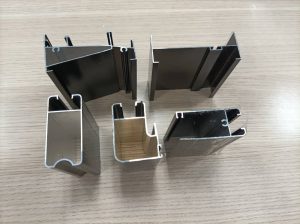
In conclusion, aluminium profiles offer a range of benefits that make them an ideal choice for curtain wall systems. Their strength, durability, flexibility, and thermal performance, combined with their design versatility and ease of maintenance, make them a popular choice for modern construction projects.
With proper installation and maintenance, aluminium profiles can provide a long-lasting and aesthetically pleasing solution for building facades.

Leave A Comment