
Aluminum U-Profile

Introduction
Aluminum U-Profile , Aluminum U-profiles, also known as U-channels, have become indispensable components in various industries due to their versatility, durability, and lightweight nature. These profiles, characterized by their distinct U-shaped cross-section, find applications in construction, manufacturing, transportation, and more. In this article, we will delve into the characteristics, uses, and benefits of aluminum U-profiles, shedding light on why they have become a material of choice for modern innovation.
Characteristics of Aluminum U-Profiles
- Material Strength: Aluminum U-profiles are crafted from aluminum, a material renowned for its high strength-to-weight ratio. This characteristic makes U-profiles not only durable but also lightweight, making them suitable for applications where both strength and reduced weight are crucial.
- Corrosion Resistance: Aluminum naturally forms a protective oxide layer on its surface, which provides excellent corrosion resistance. This property makes aluminum U-profiles suitable for applications in harsh environments, including outdoor construction projects and marine applications.
- Malleability and Formability: Aluminum is highly malleable and can be easily formed into various shapes without compromising its structural integrity. This allows for the production of U-profiles with precise dimensions, making them adaptable to a wide range of applications.
- Conductivity: Aluminum is an excellent conductor of both heat and electricity. This property makes U-profiles suitable for applications where thermal conductivity or electrical conductivity is essential, such as in the manufacturing of heat sinks or electrical enclosures.
Uses of Aluminum U-Profiles
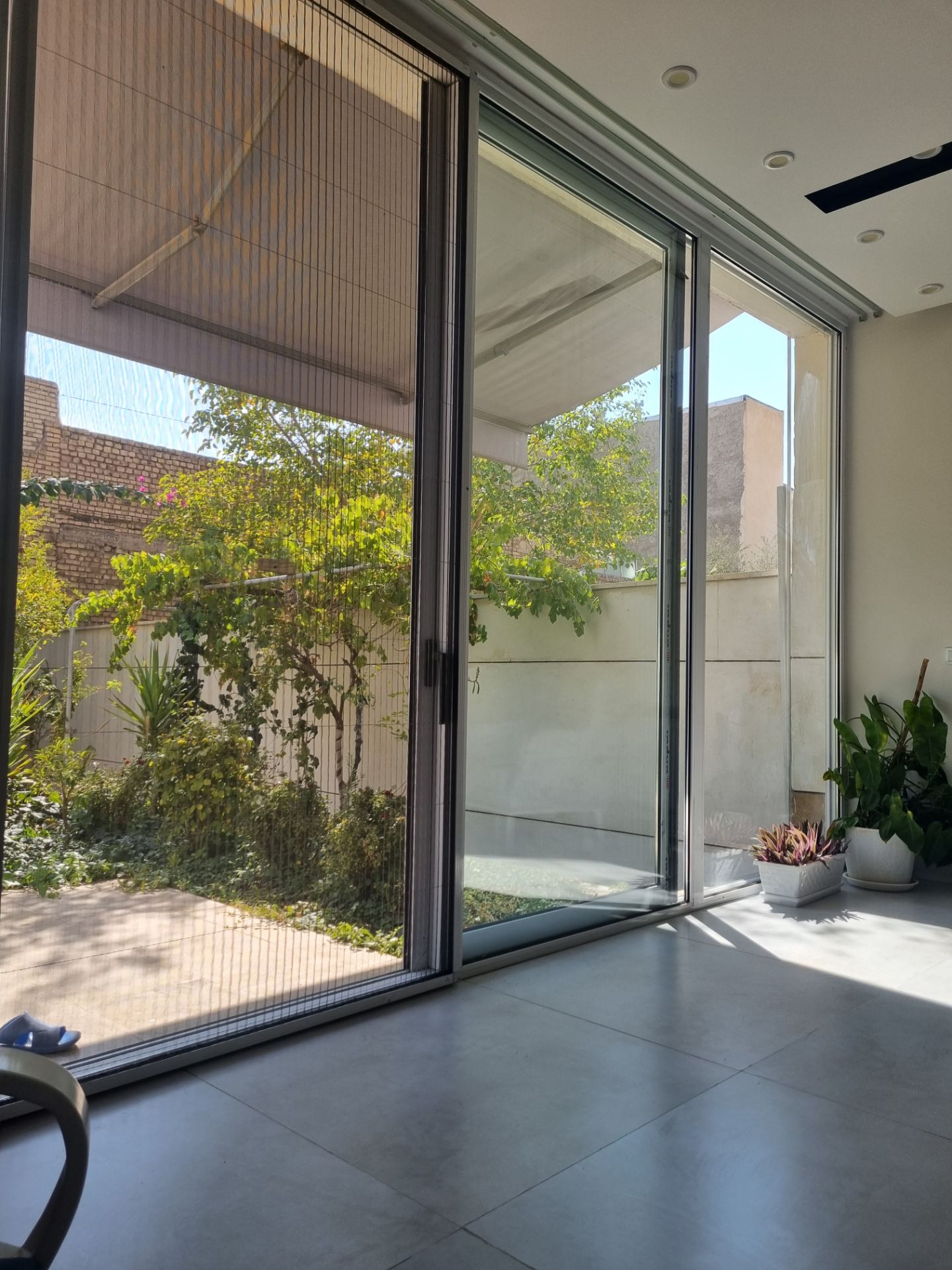
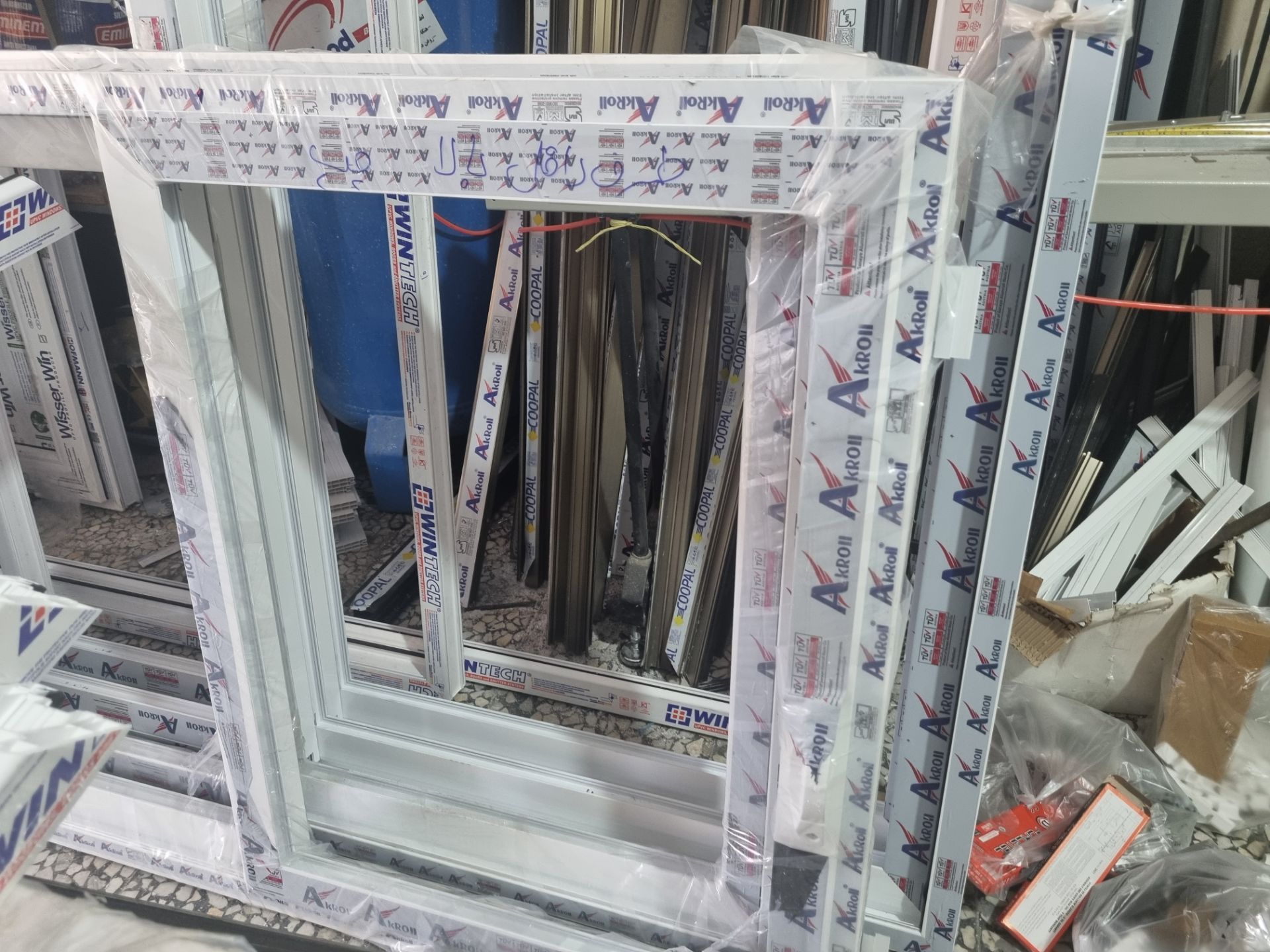
- Construction Industry: Aluminum U-profiles are widely used in the construction industry for various purposes. They find applications in framing, providing structural support for windows and doors, and serving as components in curtain wall systems. The lightweight nature of aluminum simplifies transportation and installation processes.
- Manufacturing and Fabrication: In manufacturing, U-profiles are utilized in the creation of frames, supports, and structural components for machinery. The versatility of aluminum U-profiles allows for customization according to specific design requirements, making them a popular choice in fabrication processes.
- Transportation: The automotive and aerospace industries benefit from the use of aluminum U-profiles due to their lightweight nature. Incorporating these profiles into vehicle structures contributes to fuel efficiency and improved performance without compromising safety.
- Renewable Energy Applications: Aluminum U-profiles are finding increased use in renewable energy projects. They are employed in the construction of solar panel frames, wind turbine components, and other structures where a balance between strength and weight is crucial.
Benefits of Aluminum U-Profiles
- Weight Savings: The lightweight nature of aluminum U-profiles translates to weight savings in various applications, contributing to more fuel-efficient transportation and cost-effective construction projects.
- Durability: Aluminum’s resistance to corrosion, along with its inherent strength, ensures the longevity of structures and components made from U-profiles. This durability reduces maintenance costs over time.
- Recyclability: Aluminum is a highly recyclable material, and U-profiles made from recycled aluminum can be utilized without compromising their quality. This sustainability factor aligns with the growing emphasis on eco-friendly practices in modern industries.
- Cost-Effective: Aluminum U-profiles offer a cost-effective solution for industries seeking durable and high-performance materials. The ease of fabrication and the abundance of aluminum as a raw material contribute to cost savings in production.
Innovative Applications
The adaptability of aluminum U-profiles has led to innovative applications in fields beyond the conventional. In the realm of design and architecture, these profiles are increasingly utilized for aesthetic purposes. Their sleek appearance, combined with the ability to be easily integrated into diverse design schemes, makes them a favored choice for architects seeking both functionality and visual appeal.
Moreover, advancements in technology have opened new avenues for aluminum U-profiles. In the electronics industry, these profiles are employed in the manufacturing of frames for LED displays, contributing to the lightweight and durable construction of modern electronic devices. The excellent thermal conductivity of aluminum also makes U-profiles suitable for heat dissipation solutions, addressing the cooling needs of electronic components.
In the ever-evolving world of robotics, where weight is a critical factor in determining efficiency and performance, aluminum U-profiles play a vital role. They are used in the construction of robotic frames, providing the necessary structural support without compromising the agility and maneuverability of the machines.
Challenges and Future Developments
While aluminum U-profiles offer a myriad of benefits, there are challenges to be addressed. One significant concern is the energy-intensive process of aluminum extraction and refinement. Efforts are underway to develop more sustainable practices, such as utilizing renewable energy sources in the production process and increasing the use of recycled aluminum.
Looking forward, research and development in metallurgy and material science aim to enhance the properties of aluminum alloys used in U-profiles. This includes the exploration of new alloy compositions that could further improve strength, corrosion resistance, and other key characteristics. These developments are crucial in meeting the evolving demands of industries striving for higher performance and sustainability.
Regulatory Considerations and Safety Standards
The use of aluminum U-profiles is subject to various regulatory considerations and safety standards, particularly in industries where structural integrity is paramount. Regulatory bodies, such as ASTM International and the International Organization for Standardization (ISO), provide guidelines and standards for the manufacturing and application of aluminum profiles. Adhering to these standards ensures that structures and components meet the required safety and performance criteria.
In construction, for example, compliance with building codes is crucial. Aluminum U-profiles must meet specifications related to load-bearing capacity, resistance to environmental factors, and fire safety. Understanding and adhering to these standards not only ensures the structural integrity of buildings but also contributes to the overall safety of occupants.
Global Market Trends and Economic Impact
The global market for aluminum U-profiles is influenced by macroeconomic factors, technological advancements, and industry-specific trends. As construction and manufacturing activities increase worldwide, so does the demand for aluminum profiles. The shift towards sustainable practices and the emphasis on lightweight materials in industries like automotive and aerospace further drive the market for aluminum U-profiles.
Economic fluctuations and geopolitical events can impact the availability and cost of raw materials, affecting the overall pricing and competitiveness of aluminum profiles in the market. Continuous monitoring of market trends and economic indicators is essential for businesses operating in this sector to make informed decisions and stay competitive.
Collaboration and Research Initiatives
In the pursuit of continuous improvement and innovation, collaborations between industry players, research institutions, and government agencies are essential. Research initiatives focusing on aluminum alloy development, production efficiency, and recycling technologies contribute to the evolution of aluminum U-profiles.
International collaboration allows for the exchange of knowledge and best practices, fostering a global approach to addressing challenges and seizing opportunities in the aluminum industry. Research and development investments not only lead to the discovery of new applications for aluminum U-profiles but also enhance their overall performance and sustainability.
The Road Ahead: Sustainability and Innovation
The future of aluminum U-profiles lies at the intersection of sustainability and innovation. As global industries face increasing pressure to adopt eco-friendly practices, aluminum, with its recyclability and energy-efficient properties, is poised to play a pivotal role. The aluminum industry, including U-profile manufacturers, is actively engaging in initiatives to reduce its environmental impact, from optimizing production processes to incorporating recycled materials.
Innovation continues to be a driving force, with researchers exploring advanced alloys, surface treatments, and manufacturing techniques to enhance the performance of aluminum U-profiles. The integration of smart technologies, such as sensors and monitoring systems, into structures built with these profiles holds promise for improving efficiency and safety, particularly in construction and infrastructure.
Diversity in Design and Functionality
One of the key strengths of aluminum U-profiles is their adaptability to diverse design requirements. As architects and engineers push the boundaries of creativity, U-profiles offer a canvas for innovative designs in both form and function. Whether it’s in the creation of sustainable and aesthetically pleasing buildings or the development of cutting-edge electronic devices, the versatility of aluminum U-profiles contributes to shaping a future where design meets functionality seamlessly.
Educational and Skill Development Initiatives
In tandem with technological advancements, the industry is recognizing the importance of education and skill development. Training programs and initiatives aimed at empowering engineers, designers, and manufacturers with the latest knowledge and skills in working with aluminum U-profiles are becoming increasingly prevalent. This focus on education not only ensures the responsible and efficient use of aluminum but also fosters a new generation of professionals ready to tackle the challenges and opportunities presented by evolving technologies.
Global Collaboration for Sustainable Development
The global nature of industries utilizing aluminum U-profiles calls for increased collaboration on an international scale. Initiatives that promote knowledge exchange, best practices, and environmental standards can contribute to a more sustainable and responsible use of aluminum resources. Additionally, partnerships between governments, industries, and non-governmental organizations can facilitate the development and implementation of policies that support sustainable practices and incentivize the use of aluminum U-profiles in eco-friendly construction and manufacturing projects.
Public Awareness and Consumer Education
In the quest for sustainability, raising public awareness and educating consumers about the benefits of aluminum U-profiles is crucial. Informed consumers can make choices that drive demand for sustainable materials, influencing manufacturers to adopt environmentally friendly practices. Campaigns highlighting the recyclability, energy efficiency, and overall eco-friendliness of aluminum U-profiles can empower individuals to make environmentally conscious decisions in various aspects of their lives.
Challenges and Opportunities in the Circular Economy
The concept of a circular economy, where products are designed for reuse and recycling, is gaining momentum. Aluminum U-profiles, being inherently recyclable, align with the principles of a circular economy. However, challenges such as collection systems, sorting technologies, and the need for standardized recycling processes must be addressed. The industry’s commitment to overcoming these challenges presents opportunities for innovation, job creation, and a more sustainable approach to material use.
Adaptability to Emerging Technologies
The integration of aluminum U-profiles with emerging technologies is set to redefine their applications further. For instance, advancements in 3D printing technologies open up possibilities for intricate and customized U-profile designs. Additionally, the Internet of Things (IoT) can enhance the monitoring and maintenance of structures built with aluminum U-profiles, ensuring optimal performance and safety.
The Human Element: Skills and Expertise
In the midst of technological advancements, the human element remains crucial. Continuous skill development and training programs are essential for professionals working with aluminum U-profiles. From engineers and architects to manufacturing experts, a workforce equipped with the latest knowledge and skills can unlock the full potential of aluminum in various industries.
Final Reflection: A Sustainable Legacy
Aluminum U-profiles have undoubtedly become a cornerstone in the construction and manufacturing landscape, offering a winning combination of strength, versatility, and sustainability. From traditional applications in construction to cutting-edge uses in robotics and electronics, these profiles continue to shape the landscape of modern innovation.
As industries strive for more sustainable practices, the recyclability of aluminum U-profiles adds to their allure. The ongoing research and development efforts to improve the environmental footprint of aluminum production further position U-profiles as a material of choice for a future where performance and sustainability go hand in hand.
In summary, aluminum U-profiles have transcended their traditional roles, becoming integral components in diverse sectors. Their journey from construction sites to high-tech applications exemplifies their adaptability and underscores their significance in shaping the materials landscape of the future , Aluminum U-Profile , Aluminum U-Profile , Aluminum U-Profile , Aluminum U-Profile.



Leave A Comment