
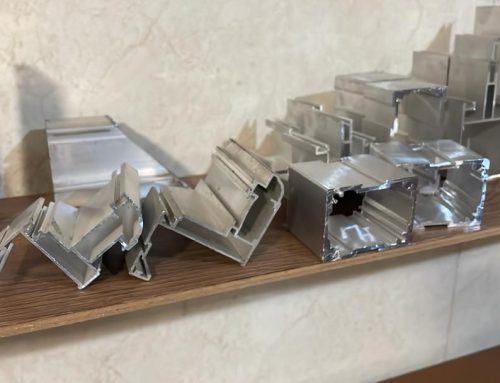
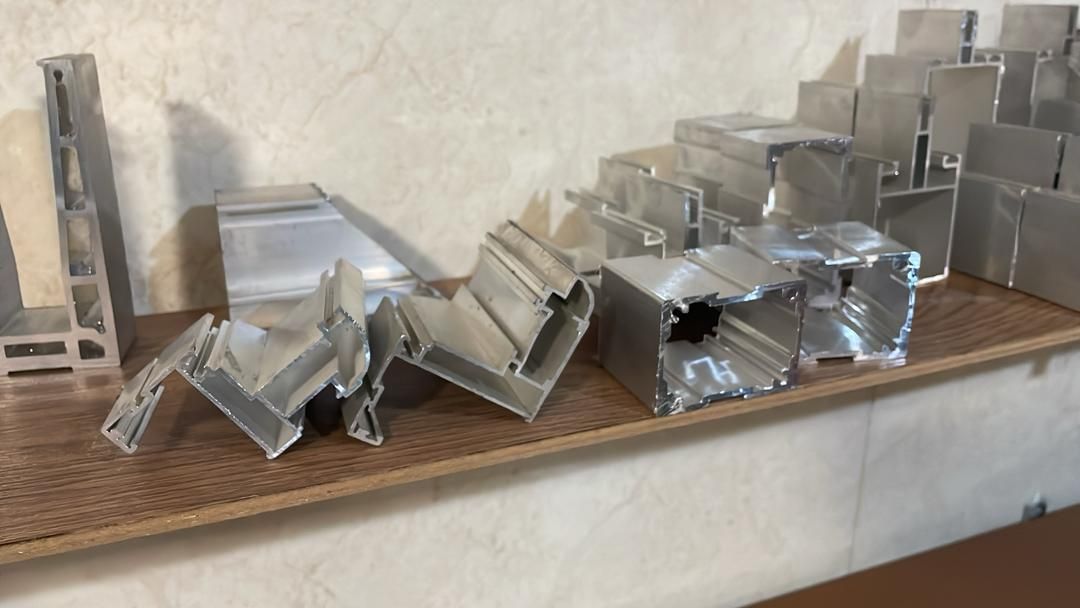
Aluminum tie rod profile/spacer nut profile

Introduction:
Aluminum tie rod profiles and spacer nut profiles have become essential components in various industries, offering a unique combination of strength, durability, and versatility. These profiles are widely used in construction, automotive, aerospace, and other applications where lightweight yet robust materials are required. In this article, we will delve into the characteristics, applications, and advantages of aluminum tie rod profiles and spacer nut profiles.
Aluminum Tie Rod Profiles:
- Material Strength and Lightweight Design: Aluminum tie rod profiles are favored for their excellent strength-to-weight ratio. The use of high-quality aluminum alloys ensures structural integrity while keeping the overall weight of the components low. This makes them ideal for applications where minimizing weight is crucial without compromising on strength.
- Corrosion Resistance: Aluminum naturally forms a protective oxide layer, providing resistance to corrosion. This property makes aluminum tie rod profiles suitable for both indoor and outdoor applications, especially in environments with high humidity or exposure to various weather conditions.
- Versatility in Design: Aluminum tie rod profiles are versatile in design, allowing for customization to meet specific requirements. They can be extruded into various shapes and sizes, accommodating different applications. This versatility is particularly advantageous in industries where unique or complex designs are needed.
- Easy Machinability: Aluminum is known for its ease of machinability. This property simplifies the manufacturing process, making it cost-effective and efficient. Machining aluminum tie rod profiles allows for precision in design and ensures that the final product meets tight tolerances.
Spacer Nut Profiles:
- Precision and Stability: Spacer nut profiles play a crucial role in maintaining precise spacing and alignment in mechanical assemblies. The materials used in spacer nuts, often aluminum or alloys, contribute to the stability and reliability of the overall structure.
- Threaded Design for Secure Fastening: Spacer nut profiles are designed with threaded interiors, allowing them to securely fasten components. This threaded design enhances the stability of assemblies, preventing loosening or shifting over time.
- Resistance to Wear and Tear: Spacer nuts are exposed to mechanical forces during operation, and as such, they need to withstand wear and tear. Aluminum spacer nut profiles, due to their inherent strength and durability, exhibit resistance to these forces, ensuring a longer service life.
Applications:
- Automotive Industry: Aluminum tie rod profiles find extensive use in the automotive industry, where lightweight components contribute to fuel efficiency. Spacer nut profiles are employed in various assemblies, ensuring precision and stability in critical automotive systems.
- Construction and Infrastructure: The versatility of aluminum tie rod profiles makes them suitable for construction applications, such as frameworks and supports. Spacer nut profiles contribute to the stability of structures by maintaining precise spacing between components.
- Aerospace Sector: In the aerospace industry, where weight is a critical factor, aluminum tie rod profiles are used in the construction of aircraft components. Spacer nut profiles play a vital role in securing and aligning components in aerospace assemblies.
Innovations and Future Developments:
As industries continue to evolve, research and development efforts are focused on enhancing the properties of aluminum tie rod profiles and spacer nut profiles. Ongoing innovations include the exploration of advanced alloys, surface treatments, and manufacturing techniques to further improve strength, durability, and overall performance.
One area of particular interest is the incorporation of nanotechnology in aluminum profiles. Nanomaterials can enhance the mechanical properties of aluminum, making it even stronger and more resilient. Additionally, advancements in surface coatings and treatments aim to further augment corrosion resistance, ensuring extended service life in challenging environments.
Furthermore, 3D printing technology has opened up new possibilities for designing intricate and complex shapes in aluminum profiles. This additive manufacturing method allows for the production of customized components with reduced waste and increased efficiency, opening avenues for groundbreaking applications across various industries.
Environmental Sustainability:
The lightweight nature of aluminum tie rod profiles contributes significantly to the ongoing pursuit of environmentally sustainable practices. In the automotive sector, for example, the use of aluminum components helps reduce vehicle weight, leading to improved fuel efficiency and lower carbon emissions. This aligns with global initiatives to create more eco-friendly and energy-efficient solutions.
Recyclability is another key aspect of aluminum’s environmental sustainability. Aluminum is highly recyclable without compromising its inherent properties. The ability to recycle aluminum tie rod profiles and spacer nut profiles supports the circular economy by reducing the demand for primary raw materials and minimizing waste.
Challenges and Considerations:
While aluminum tie rod profiles and spacer nut profiles offer numerous advantages, it’s essential to consider certain challenges. Aluminum, despite its corrosion resistance, may still be susceptible to certain types of corrosion, especially in harsh chemical environments. Proper coatings and treatments can mitigate these challenges.
Additionally, in applications where extreme temperatures or heavy loads are involved, engineers must carefully select the appropriate aluminum alloy to ensure optimal performance. Collaborative efforts between material scientists and engineers are crucial to overcoming these challenges and pushing the boundaries of aluminum’s capabilities.
Global Impact and Industry Adoption:
The global adoption of aluminum tie rod profiles and spacer nut profiles is evident in various industries around the world. As manufacturers and engineers recognize the benefits of these components, their integration into different applications continues to grow. The versatility of aluminum profiles has led to their widespread use not only in traditional sectors such as automotive and aerospace but also in emerging industries like renewable energy and electric vehicles.
In the automotive sector, the push towards electric vehicles has accentuated the need for lightweight materials, and aluminum tie rod profiles play a pivotal role in meeting these requirements. Electric vehicle manufacturers leverage the advantages of aluminum to offset the weight of batteries, contributing to increased efficiency and extended driving range.
Case Studies:
Several real-world applications highlight the success and effectiveness of aluminum tie rod profiles and spacer nut profiles. For instance, in the construction industry, aluminum tie rod profiles are utilized in the creation of robust yet lightweight frameworks for buildings and bridges. The corrosion resistance of these profiles ensures the longevity of structures in diverse environments.
In the aerospace sector, the use of aluminum tie rod profiles in aircraft components has led to considerable weight savings, resulting in improved fuel efficiency and reduced environmental impact. The precise spacing and stability provided by spacer nut profiles contribute to the reliability of critical aerospace systems.
Continuous Improvement and Collaboration:
The journey of aluminum tie rod profiles and spacer nut profiles is marked by continuous improvement and collaboration across industries. Manufacturers work closely with engineers and researchers to refine existing materials, explore new alloys, and optimize manufacturing processes. This collaborative effort ensures that these profiles meet the evolving demands of modern engineering and technology.
Moreover, feedback from end-users and ongoing research initiatives contribute to the refinement of design standards and the development of best practices. This collaborative approach fosters a dynamic environment where aluminum profiles can adapt to the changing needs of different sectors.
Looking Ahead: Future Prospects and Challenges
As we peer into the future, the prospects for aluminum tie rod profiles and spacer nut profiles seem promising. Emerging technologies and the growing emphasis on sustainable practices are likely to drive further innovations in materials, manufacturing processes, and applications. The ongoing pursuit of lightweight materials with enhanced performance characteristics positions aluminum profiles as key players in addressing the engineering challenges of tomorrow.
One notable trend on the horizon is the integration of smart technologies and sensors into mechanical components. Aluminum tie rod profiles and spacer nut profiles, with their adaptable nature, are poised to incorporate these innovations seamlessly. This integration could lead to enhanced monitoring, predictive maintenance, and improved overall performance in various applications, contributing to increased efficiency and reduced downtime.
However, with these opportunities come challenges. The demand for higher performance in extreme conditions, such as aerospace and high-speed rail applications, necessitates continuous advancements in material science. Engineers and material scientists will need to collaborate closely to develop aluminum alloys that can withstand greater stresses and temperature variations while maintaining their lightweight properties.
Global Trends in Sustainable Engineering:
The global shift towards sustainable engineering practices is expected to have a profound impact on the utilization of aluminum tie rod profiles and spacer nut profiles. As industries align with environmental goals, these lightweight and recyclable materials are likely to experience increased demand. Moreover, the emphasis on circular economy principles may lead to more efficient recycling processes, further reducing the environmental footprint of aluminum profiles.
In the automotive industry, the transition to electric and hybrid vehicles is set to accelerate, driving the demand for lightweight materials. Aluminum tie rod profiles, along with other aluminum components, will play a crucial role in making these vehicles more energy-efficient and environmentally friendly.
Final Thoughts:
The evolution of aluminum tie rod profiles and spacer nut profiles is a testament to the resilience and adaptability of engineering materials. From their inception to their current standing as essential components in various industries, these profiles have consistently met the demands of diverse applications.
Looking ahead, the journey of aluminum profiles is likely to continue with a focus on sustainability, efficiency, and innovation. As industries evolve and technology advances, aluminum tie rod profiles and spacer nut profiles are poised to play an even more significant role in shaping the future of engineering solutions.
In conclusion, the story of aluminum profiles is one of continuous improvement, collaboration, and a commitment to meeting the challenges of an ever-changing world. As we move forward, these versatile and resilient components are well-positioned to contribute to the creation of a more sustainable, efficient, and technologically advanced future.



Leave A Comment