
Aluminum structural pipes
Introduction
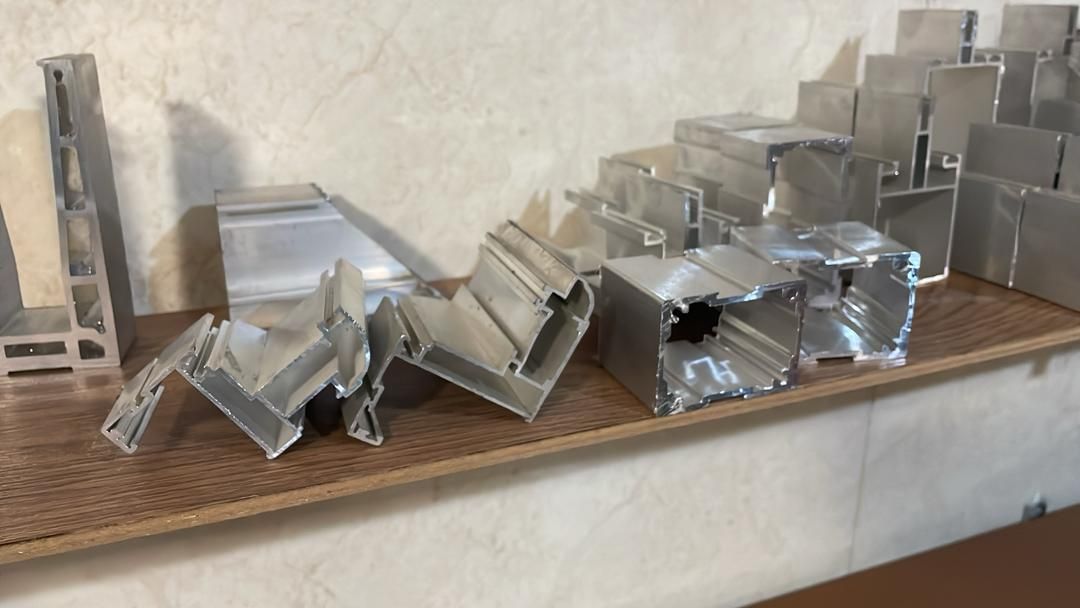
In the realm of modern construction, materials play a pivotal role in determining the strength, longevity, and overall quality of a structure. One material that has gained significant attention in recent years is aluminum, particularly in the form of aluminum structural pipes. These pipes have proven to be a versatile and durable choice for a wide range of applications, from industrial and commercial construction to residential projects. In this article, we will explore the characteristics, advantages, and various uses of aluminum structural pipes.
The Characteristics of Aluminium Structural Pipes
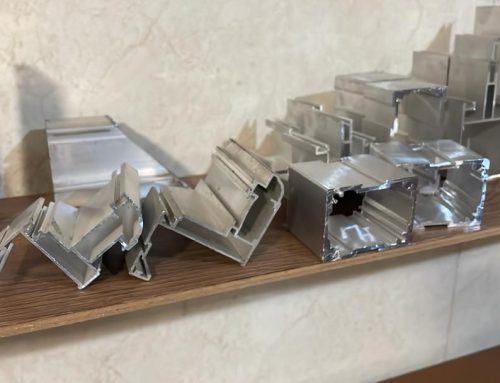
Aluminum structural pipes are manufactured from high-quality aluminum alloys, which possess several unique characteristics that make them a popular choice in the construction industry:
- Lightweight: Aluminum is known for its exceptional lightweight properties. Compared to traditional steel or concrete materials, aluminum structural pipes are significantly lighter, making them easier to handle and transport on construction sites.
- Corrosion Resistance: Aluminium naturally forms a protective oxide layer when exposed to oxygen, providing excellent corrosion resistance. This feature ensures that aluminum structural pipes maintain their integrity even in harsh outdoor environments.
- High Strength-to-Weight Ratio: Despite their lightweight nature, aluminum structural pipes offer remarkable strength. They boast a high strength-to-weight ratio, making them suitable for structural applications that require load-bearing capabilities.
- Ductility and Formability: Aluminum is highly ductile and can be easily formed into various shapes and sizes. This flexibility allows for custom designs and configurations to meet specific project requirements.
Advantages of Aluminium Structural Pipes
- Sustainability: Aluminum is a recyclable material, which aligns with the growing emphasis on sustainability in construction. The ability to recycle aluminum reduces the environmental impact of construction projects.
- Durability: Aluminum’s resistance to corrosion and its ability to withstand the elements make it a durable choice for outdoor applications, such as railing systems, pedestrian bridges, and marine structures.
- Low Maintenance: Aluminium structural pipes require minimal maintenance compared to materials like steel, which often need frequent painting or rust prevention measures.
- Cost-Effective: While the initial cost of aluminum may be higher than some other materials, the long-term benefits, including reduced maintenance and extended lifespan, make it a cost-effective choice.
Applications of Aluminium Structural Pipes
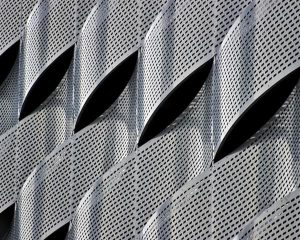
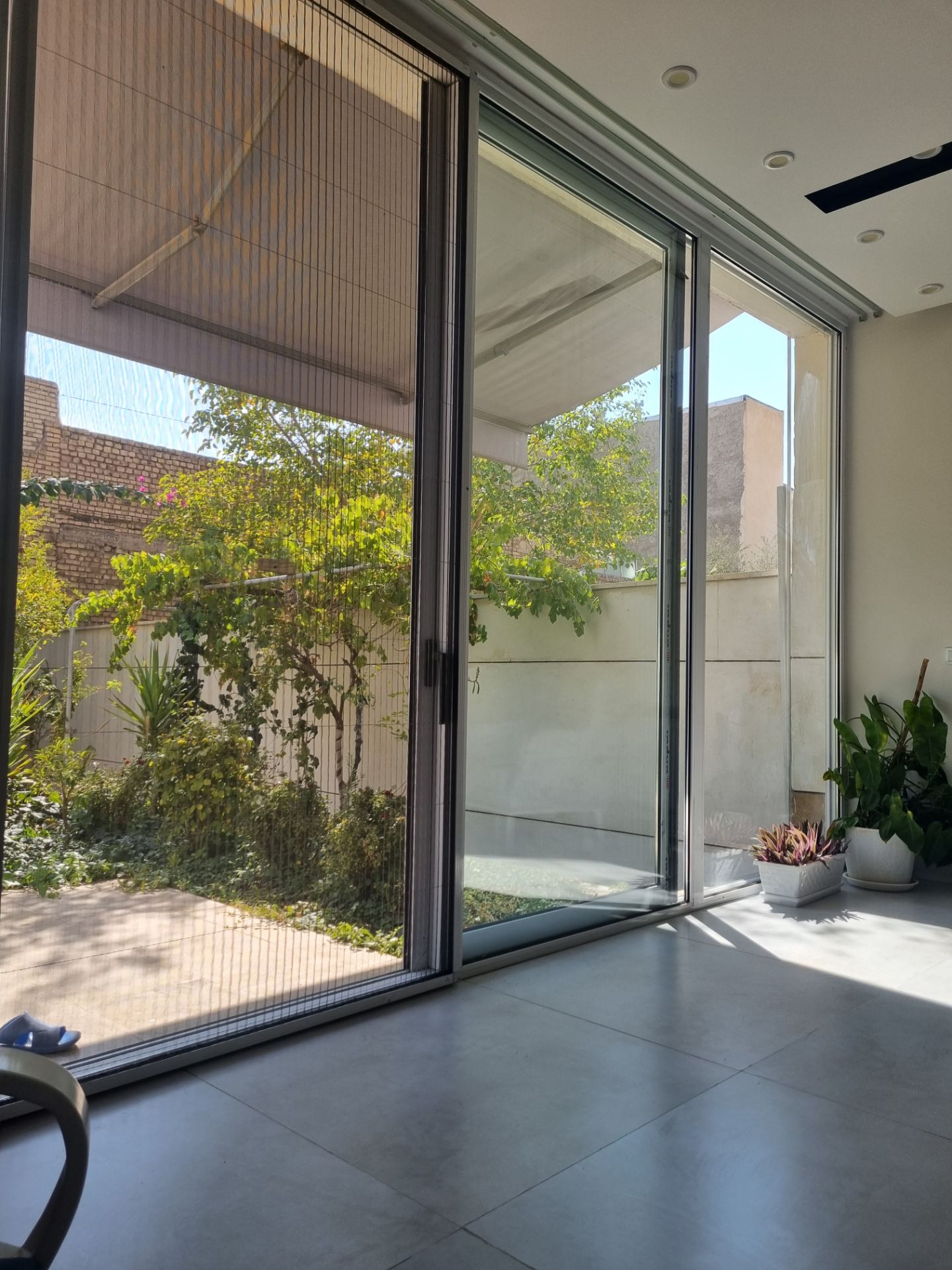
- Architectural Applications: Aluminum structural pipes are often used in architectural applications, such as building facades, curtain walls, and canopies, due to their lightweight nature and aesthetic appeal.
- Industrial Structures: In industrial settings, these pipes find applications in conveyor systems, equipment support structures, and platforms due to their high load-bearing capacity and resistance to corrosion.
- Marine and Offshore Construction: Aluminum’s corrosion resistance makes it an excellent choice for marine and offshore applications, including docks, piers, and boat ramps.
- Transportation: Aluminum structural pipes are used in the construction of bridges, walkways, and bike paths, providing durable and lightweight solutions for transportation infrastructure.
- Solar Panel Frames: The lightweight and corrosion-resistant properties of aluminum make it an ideal material for solar panel frames and support structures.
The Future of Aluminium Structural Pipes
As construction practices continue to evolve, aluminium structural pipes are expected to play a vital role in the future of the industry. Here are some key trends and developments to watch for:
- Advanced Alloy Technologies: Ongoing research and development efforts are focused on creating advanced aluminum alloys with even higher strength-to-weight ratios and enhanced corrosion resistance. These innovations will open up new possibilities for structural design in a wide range of applications.
- Green Building Practices: With the growing emphasis on sustainability, aluminum’s recyclability and low environmental impact will make it an attractive choice for architects and builders looking to meet green building standards. The ability to recycle and reuse aluminum will further reduce the industry’s carbon footprint.
- Innovative Design Solutions: The flexibility and formability of aluminum allow for innovative and aesthetically pleasing structural designs. Architects and engineers will continue to explore creative ways to incorporate aluminum structural pipes into their projects, resulting in eye-catching and functional structures.
- Transportation Infrastructure: As governments invest in infrastructure improvements, aluminum structural pipes will play a crucial role in constructing bridges, walkways, and railings. These lightweight yet robust materials will help create safe and durable transportation networks.
- Energy Efficiency: Aluminum’s reflective properties make it suitable for applications in energy-efficient buildings. Its use in window frames, curtain walls, and sunshades can help reduce energy consumption by optimizing natural lighting and temperature control.
- Offshore Wind Farms: With the global push for renewable energy sources, aluminum’s resistance to corrosion makes it an ideal choice for the construction of offshore wind turbine support structures. This application is likely to see significant growth in the coming years.
Challenges and Considerations
While aluminum structural pipes offer numerous advantages, it’s important to consider some challenges associated with their use:
- Initial Cost: Aluminum can have a higher initial cost compared to other materials like steel. However, the long-term benefits often outweigh this initial expense.
- Joining Methods: Proper joining methods are essential to ensure the structural integrity of aluminum pipes. Welding and mechanical connections must be carefully executed to avoid issues such as stress concentrations and material distortion.
- Thermal Expansion: Aluminum has a higher coefficient of thermal expansion than steel, which means it can expand and contract more with temperature fluctuations. Proper design considerations must be made to accommodate these movements.
- Compatibility: When aluminum comes into contact with certain dissimilar metals, galvanic corrosion can occur. This issue can be mitigated by using compatible materials and coatings.
Safety and Regulations
Safety is paramount in construction, and using aluminum structural pipes requires adherence to industry standards and regulations. It’s crucial to consult with structural engineers and follow local building codes to ensure the safe and compliant use of aluminum pipes in construction projects.
Conclusion
Aluminium structural pipes have emerged as a compelling choice in modern construction due to their lightweight, durable, and corrosion-resistant properties. Their versatility and sustainability make them a preferred material for a wide range of applications, from architectural designs to industrial infrastructure and transportation projects. As the construction industry continues to evolve, aluminum structural pipes will likely play an even more significant role, driven by technological advancements, sustainability goals, and innovative design possibilities.
Architects, engineers, and builders will continue to explore creative ways to harness the benefits of aluminum, pushing the boundaries of what is possible in construction. With a commitment to quality craftsmanship, proper engineering, and compliance with safety standards, aluminum structural pipes will remain a cornerstone of the construction industry, contributing to the development of resilient, efficient, and visually stunning structures for generations to come.



Leave A Comment