
Aerospace and Aircraft Aluminum Extrusion Profiles: Characteristics and Types
Introduction

Aluminum has long been a preferred material in the aerospace industry due to its exceptional strength-to-weight ratio, corrosion resistance, and versatility. Within this industry, aluminum extrusion profiles play a crucial role in the construction of various components, from aircraft frames to interior fixtures. In this article, we will explore the characteristics and types of aerospace and aircraft aluminum extrusion profiles, shedding light on their significance in the manufacturing process and their diverse applications.
Characteristics of Aerospace Aluminum Extrusion Profiles
- Lightweight: Aluminum extrusions are known for their lightweight nature, making them ideal for aerospace applications where weight reduction is paramount. This characteristic helps enhance fuel efficiency and overall performance.
- High Strength: Despite their low weight, aerospace aluminum extrusion profiles exhibit excellent strength, making them capable of withstanding the stresses and forces experienced during flight, including turbulence and heavy loads.
- Corrosion Resistance: Aircraft operate in various environmental conditions, including exposure to moisture and chemicals. Aluminum extrusions are naturally corrosion-resistant, providing a longer lifespan for aerospace components.
- Machinability: Aluminum is relatively easy to machine and fabricate into complex shapes. This versatility is crucial for creating customized profiles tailored to specific aircraft needs.
- Thermal Conductivity: Aluminum’s high thermal conductivity allows for effective heat dissipation, which is vital for aircraft components exposed to high temperatures, such as engines and landing gear.
Types of Aerospace Aluminum Extrusion Profiles
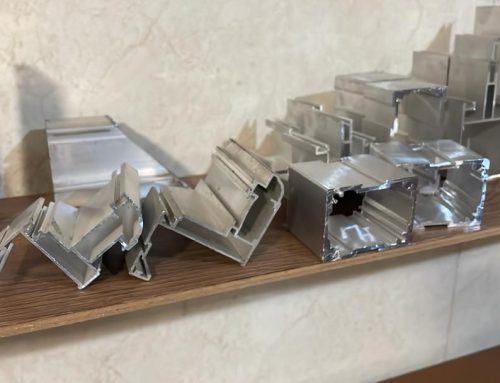
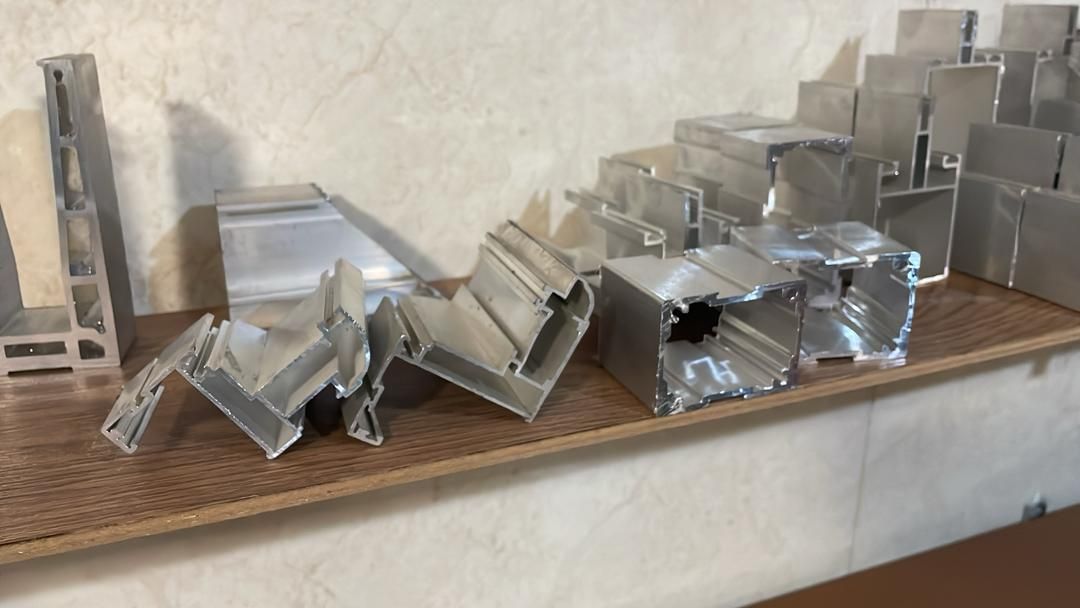
- Standard Extrusions: Standard aluminum extrusion profiles are widely used in aircraft construction for structural components like frames and panels. They come in various shapes, including angles, channels, and tubes, and are available in different alloys, such as 6061 and 7075, depending on the required strength and durability.
- Custom Extrusions: Aircraft manufacturers often require customized aluminum profiles to meet specific design requirements. Custom extrusions offer the flexibility to create unique shapes and dimensions for specialized components.
- Semi-Hollow Extrusions: These profiles feature a partially hollow design, offering a balance between weight reduction and structural integrity. They are commonly used in wing ribs, stringers, and bulkheads.
- Tee Extrusions: Tee extrusions have a T-shaped cross-section and find use in the construction of aircraft interiors, where they are employed for seat tracks, cabin partitions, and overhead compartments.
- Hat Extrusions: Hat extrusions resemble the shape of a hat with a top flange and a vertical web. They are preferred for lightweight structural applications, including door frames and fuselage sections.
- Z-Extrusions: Z-extrusions have a distinctive Z-shaped cross-section, making them suitable for load-bearing and stiffening applications, such as wing spars and stabilizers.
Applications of Aerospace Aluminum Extrusion Profiles
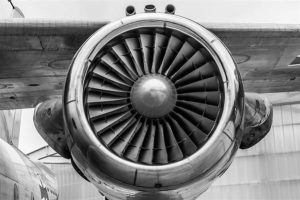
The applications of aerospace aluminum extrusion profiles are diverse and critical to the overall functionality of aircraft. Let’s delve into some specific examples:
- Fuselage Construction: The fuselage of an aircraft is its central structure, and aluminum extrusion profiles are extensively used to form its frame and skin. Their lightweight yet robust nature helps maintain structural integrity while minimizing overall weight, contributing to fuel efficiency and range.
- Wing Components: Aluminum extrusions play a significant role in the construction of wing components like spars, ribs, and leading-edge structures. Their high strength is crucial for withstanding the aerodynamic forces encountered during flight.
- Interior Fixtures: Inside the aircraft cabin, aluminum extrusion profiles are used for various purposes, including seat tracks, overhead bins, and partitions. These profiles are designed to be lightweight, durable, and easily integrated into the interior design.
- Landing Gear: Aircraft landing gear must withstand immense forces during takeoff, landing, and taxiing. Aluminum extrusion profiles are utilized in landing gear components to provide the necessary strength and durability.
- Engine Components: Some parts of aircraft engines, such as exhaust components and heat shields, are also made from aluminum extrusion profiles. Their thermal conductivity helps dissipate heat effectively, ensuring engine performance and safety.
- Empennage: The tail section of an aircraft, known as the empennage, relies on aluminum extrusions for components like the horizontal and vertical stabilizers, elevators, and rudders. These profiles contribute to the aircraft’s stability and control.
- Spacecraft: Beyond traditional aircraft, aluminum extrusion profiles are also used in spacecraft construction. Their lightweight characteristics make them suitable for launch vehicle components, satellite structures, and space station modules.
Future Trends and Innovations
As the aerospace industry continues to evolve, aluminum extrusion technology is also advancing to meet the demands of next-generation aircraft. Some emerging trends and innovations in aerospace aluminum extrusion profiles include:
- Advanced Alloys: Researchers are developing new aluminum alloys with enhanced properties, including increased strength and reduced weight. These alloys will allow for even more efficient and durable extrusion profiles.
- Additive Manufacturing: 3D printing or additive manufacturing techniques are being explored to create complex aluminum extrusion profiles with intricate designs, enabling further weight reduction and customization.
- Composite Integration: Combining aluminum extrusion profiles with composite materials can result in hybrid structures that offer the benefits of both materials, such as increased strength-to-weight ratios.
- Lightweighting: Aircraft manufacturers are continually focused on lightweighting to improve fuel efficiency. Advanced extrusion profiles will play a crucial role in achieving these goals.
Conclusion
Aerospace and aircraft aluminum extrusion profiles are the unsung heroes of modern aviation. Their remarkable combination of strength, lightweight properties, corrosion resistance, and versatility make them essential in the construction of aircraft, ensuring safety, efficiency, and innovation in the industry.
As aerospace technology continues to advance, we can expect to see even more innovative applications of aluminum extrusion profiles, further enhancing the performance and sustainability of aircraft. These profiles are a testament to human ingenuity, enabling us to push the boundaries of flight and explore new horizons in the world of aviation.



Leave A Comment