
Aluminum profile anodizing
Aluminum is a versatile and widely used metal that finds application in a variety of industries, including aerospace, construction, transportation, and packaging. However, raw aluminum is susceptible to corrosion, which limits its durability and lifespan. To address this issue, aluminum profile anodizing has emerged as a popular surface treatment process that enhances the metal’s corrosion resistance, improves its appearance, and increases its lifespan. This essay explores the aluminum profile anodizing process, its benefits, and its applications.
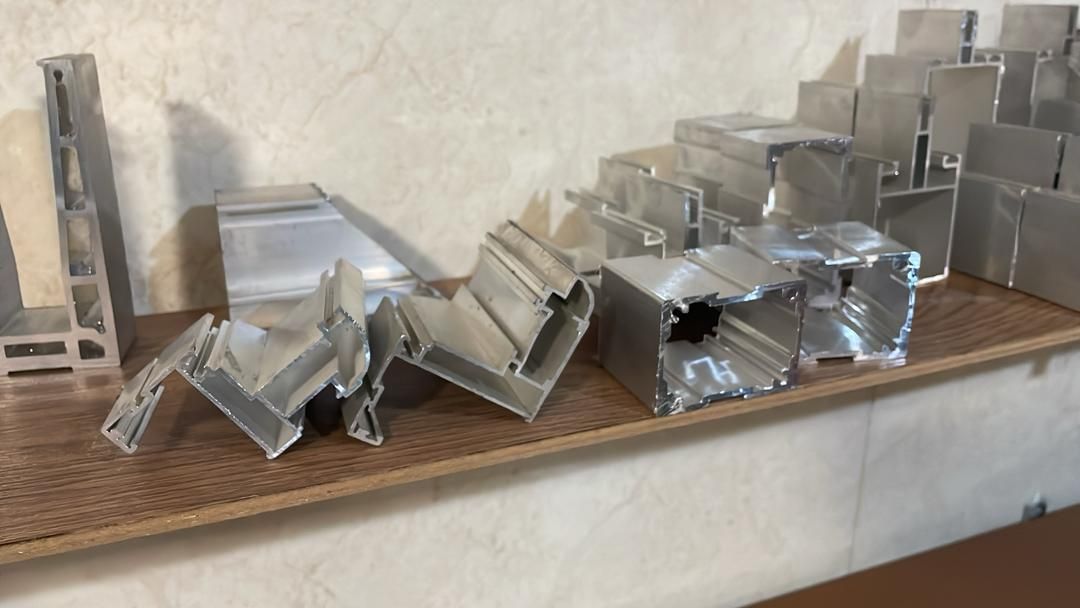
The anodizing process involves immersing an aluminum profile in an electrolytic bath and passing an electric current through it. The electrolyte used is typically sulfuric acid, which oxidizes the aluminum’s surface and creates a layer of aluminum oxide (Al2O3) that is harder, denser, and more wear-resistant than the underlying metal. The thickness of the oxide layer depends on several factors, including the electrolyte concentration, the current density, and the anodizing time. Typical anodizing thicknesses range from 5 to 25 microns, with thicker coatings requiring longer processing times.
One of the primary benefits of aluminum profile anodizing is that it enhances the metal’s corrosion resistance. The aluminum oxide layer acts as a barrier that prevents moisture, salt, and other corrosive agents from reaching the underlying metal. This is particularly useful in marine and industrial environments, where aluminum structures are exposed to harsh conditions that can accelerate corrosion. Anodized aluminum also resists surface scratching, which can further expose the underlying metal to corrosion.

Another advantage of aluminum profile anodizing is that it improves the metal’s appearance. The anodizing process can produce a range of colors, including clear, black, bronze, and gold, by selectively dyeing the porous oxide layer. This allows for the creation of aesthetically pleasing surfaces that can match a variety of design requirements. Anodized aluminum also has a uniform, matte finish that is resistant to fading and discoloration over time, making it a popular choice for architectural and decorative applications.
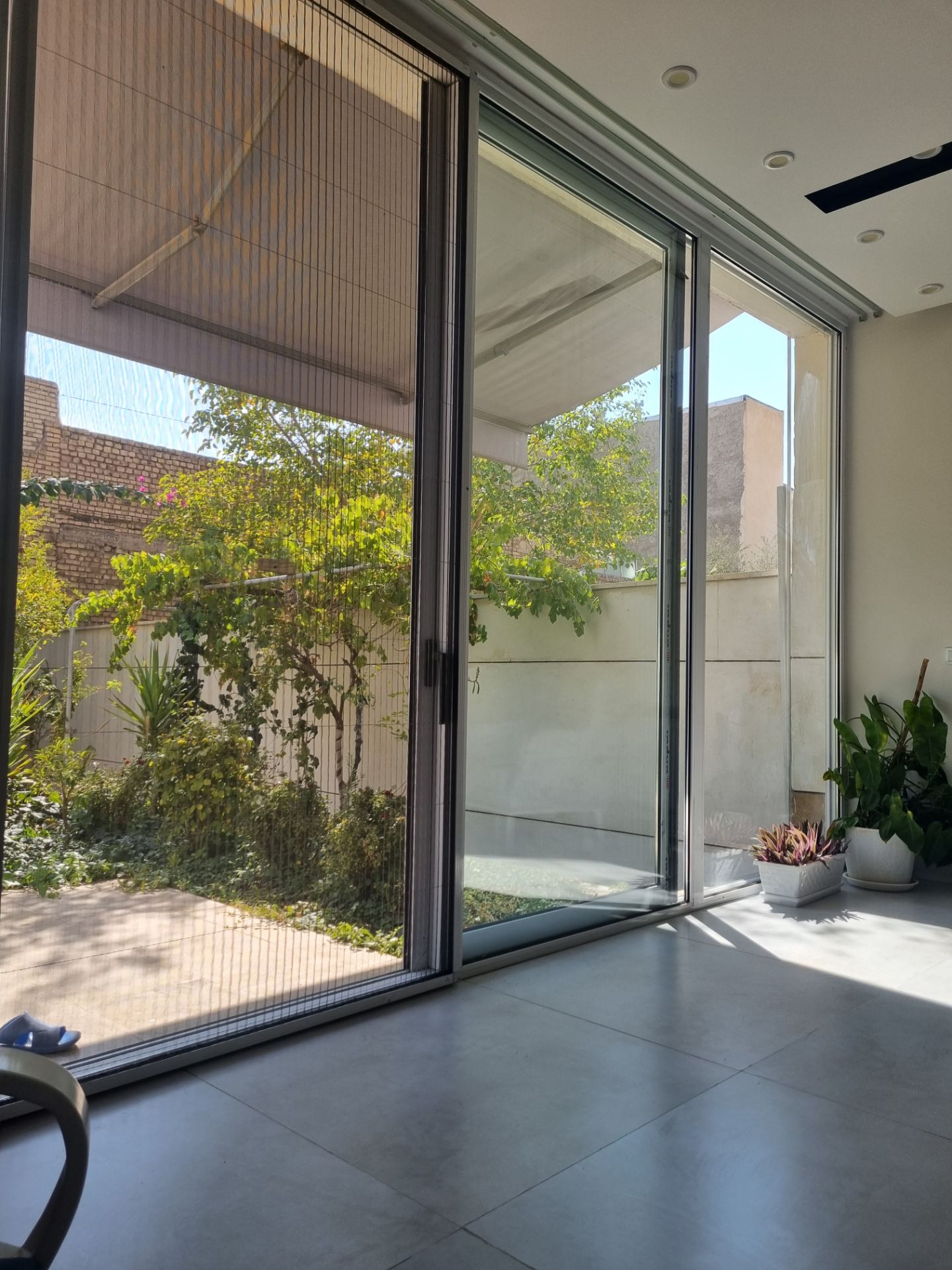
In addition to its corrosion resistance and aesthetic benefits, aluminum profile anodizing also improves the metal’s hardness and wear resistance. The aluminum oxide layer is harder than the underlying metal and can withstand more abrasion and impact. This makes anodized aluminum suitable for applications where the metal is exposed to wear and tear, such as door and window frames, automotive components, and machinery parts. Anodized aluminum is also electrically insulating, which makes it suitable for electronic and electrical applications where electrical conductivity can cause interference or safety hazards.

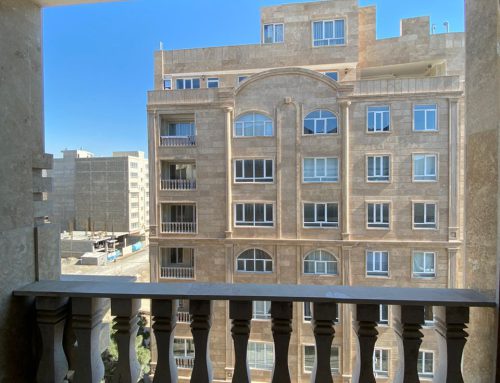
Aluminum profile anodizing has several applications across different industries. In the aerospace industry, anodized aluminum is used for aircraft components such as wing and fuselage frames, landing gear, and engine parts. The metal’s corrosion resistance and lightweight make it ideal for aerospace applications where weight and durability are critical. In the construction industry, anodized aluminum is used for architectural components such as window frames, curtain walls, and roofing systems. The metal’s aesthetic properties, durability, and resistance to weathering make it suitable for use in buildings that require long-lasting and visually appealing structures.
Anodized aluminum is also used in the transportation industry for car and truck parts such as wheels, bumpers, and grills. The metal’s corrosion resistance, wear resistance, and lightweight make it an ideal choice for automotive components that require durability and efficiency.
While aluminum profile anodizing offers many advantages, it is not without its limitations. The anodizing process is a relatively slow and energy-intensive process that requires specialized equipment and skilled operators.
The thickness of the anodized layer is also limited, and thicker coatings can be more prone to cracking and peeling. Anodized aluminum is also not suitable for applications where the metal is exposed to high temperatures, as the oxide layer can break down and the metal can become more susceptible to corrosion.
To overcome some of these limitations, different types of anodizing processes have been developed, including hardcoat anodizing, chromic acid anodizing, and sulfuric acid anodizing with additives. Hardcoat anodizing uses a higher current density and lower temperature to produce a thicker and harder anodized layer that is more wear-resistant and durable. Chromic acid anodizing produces a thinner and more ductile anodized layer that is suitable for aerospace and electronic applications. Sulfuric acid anodizing with additives can produce anodized layers with different properties, such as increased corrosion resistance, adhesion, and conductivity.
Conclusion
In conclusion, aluminum profile anodizing is a surface treatment process that enhances the corrosion resistance, appearance, hardness, and wear resistance of aluminum profiles. Anodized aluminum is suitable for a wide range of applications in different industries, including aerospace, construction, transportation, and electronics. The anodizing process involves immersing the aluminum profile in an electrolytic bath and passing an electric current through it to create a layer of aluminum oxide. The thickness of the oxide layer depends on several factors, including the electrolyte concentration, the current density, and the anodizing time. Anodized aluminum has several advantages, such as improved corrosion resistance, aesthetic properties, and durability, but it also has some limitations, such as process complexity and thickness limitations. Different types of anodizing processes have been developed to overcome some of these limitations and to produce anodized layers with different properties.
Overall, aluminum profile anodizing is a reliable and effective surface treatment process that can improve the performance and appearance of aluminum profiles in various applications.

Leave A Comment