
Aluminium extrusion profiles
Aluminium extrusion profiles have become an increasingly popular choice in the manufacturing industry due to their versatility, durability, and cost-effectiveness. These profiles are made by forcing aluminum alloy through a die, resulting in a specific cross-sectional shape that can be cut to any length required. In this article, we will explore the various uses and benefits of aluminum extrusion profiles.
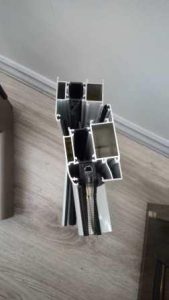
Uses of Aluminum Extrusion Profiles
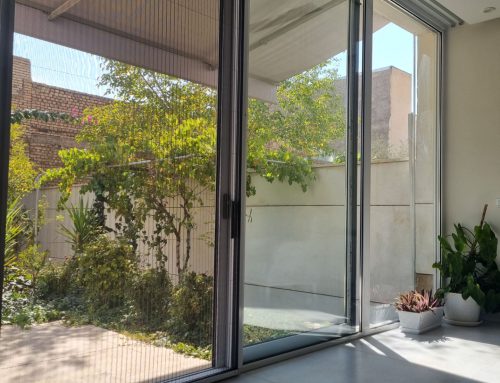
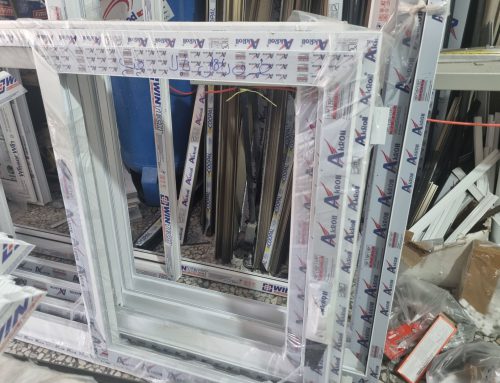
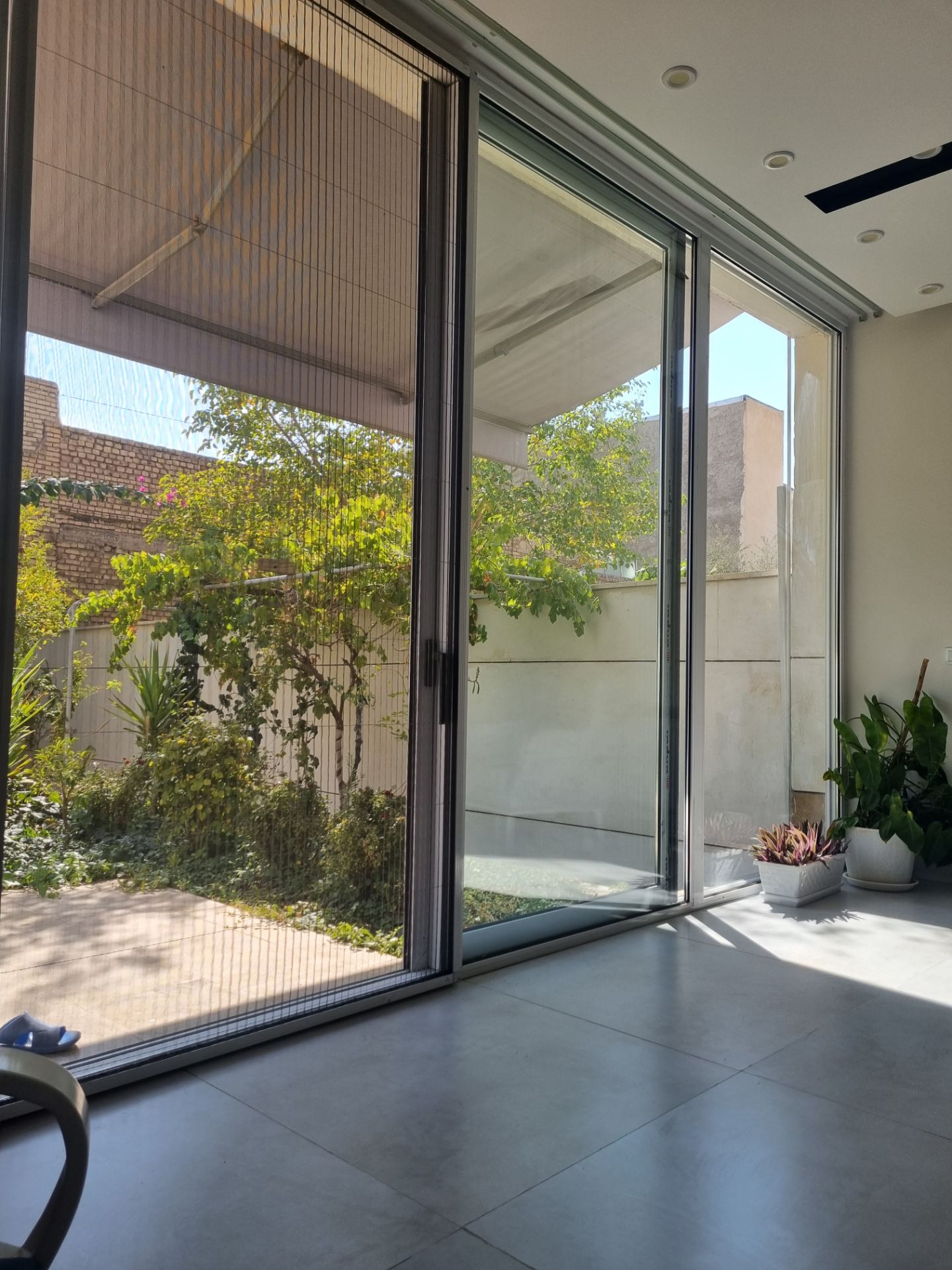
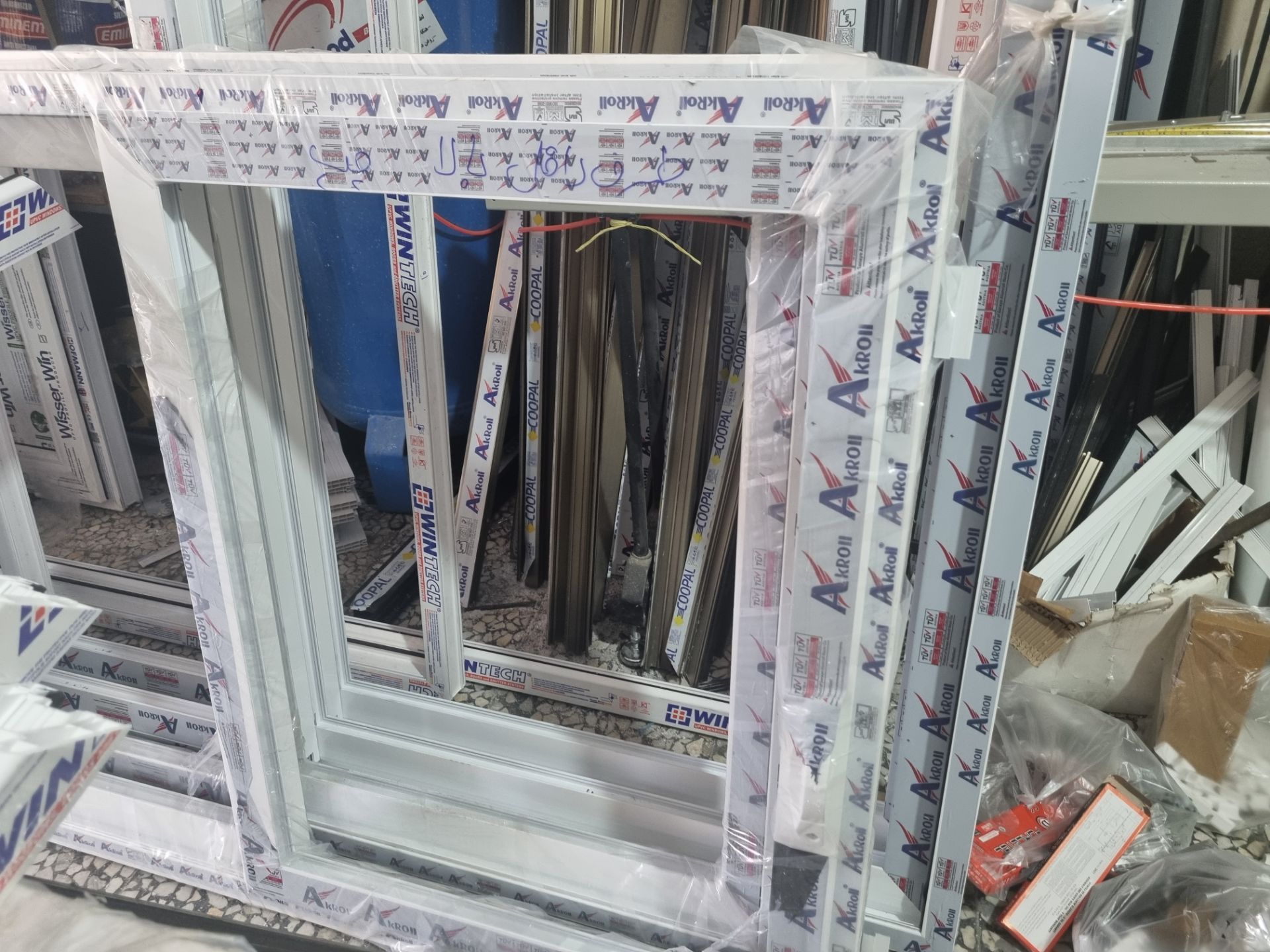
Aluminum extrusion profiles have a wide range of applications in many industries, including construction, transportation, and consumer products. The construction industry, in particular, has benefited from the use of aluminum profiles due to their strength, lightweight, and ability to resist corrosion. Many construction companies use aluminum extrusion profiles for window and door frames, curtain walls, and roofing systems.
Aluminum extrusion profiles are also used in the transportation industry for their strength, lightweight, and corrosion resistance. Aluminum profiles are used in the manufacturing of aircraft, boats, and automobiles. In these applications, aluminum profiles are used to create structural components that are both strong and lightweight, which helps reduce the weight of the overall vehicle, resulting in better fuel efficiency.
The consumer products industry also benefits from the use of aluminum extrusion profiles due to their versatility and low cost. These profiles can be used to make a wide range of products, from furniture to household appliances, and even sporting equipment. In these applications, aluminum profiles are used to create parts that are lightweight, yet strong enough to withstand regular use.
Benefits of Aluminum Extrusion Profiles
Aluminum extrusion profiles offer several benefits that make them an attractive choice for manufacturers. These benefits include:
Versatility: Aluminum extrusion profiles can be manufactured in a wide range of shapes and sizes, making them suitable for a variety of applications. Whether you need a small profile for a consumer product or a large profile for a construction project, aluminum extrusion profiles can be made to fit your needs.
Durability: Aluminum extrusion profiles are highly durable and can withstand extreme temperatures, moisture, and corrosion. This makes them ideal for outdoor applications, such as window frames and roofing systems.
Cost-effectiveness: Aluminium extrusion profiles are relatively low-cost to manufacture, making them an affordable option for manufacturers. Additionally, they are lightweight, which reduces shipping costs and makes them easy to handle during installation.
Recyclability: Aluminium extrusion profiles are highly recyclable, making them an eco-friendly choice for manufacturers. The recycling process uses only a fraction of the energy required to produce new aluminum, making it an energy-efficient process.
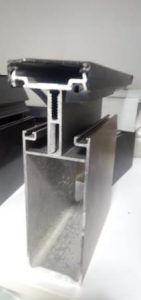
Types of Aluminuim Extrusion Profiles
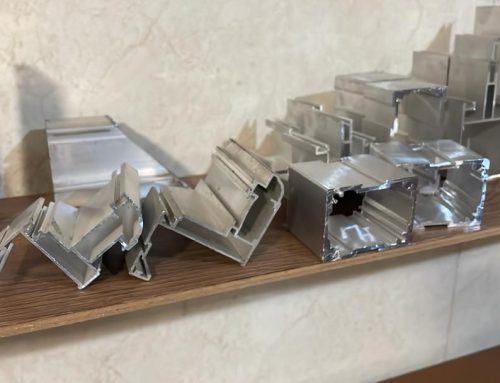
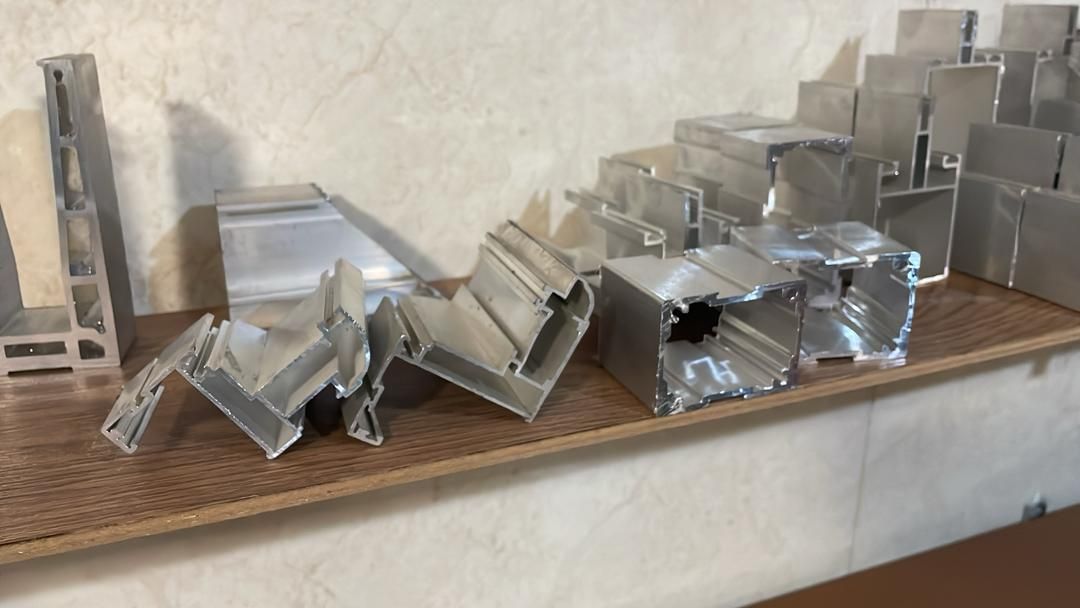
There are several types of aluminum extrusion profiles that can be made, each with a different cross-sectional shape. Some of the most common types include:
T-slot profiles: T-slot profiles have a T-shaped slot on one or more sides, which makes them ideal for use in building frames and machine guarding.
Round profiles: Round profiles have a circular cross-section and are used in applications where strength and aesthetics are important, such as decorative fencing.
Square profiles: Square profiles have a square cross-section and are used in applications where strength and stability are important, such as structural framing.
Rectangular profiles: Rectangular profiles have a rectangular cross-section and are used in applications where space is limited, such as shelving systems.
Hexagonal profiles: Hexagonal profiles have a six-sided cross-section and are used in applications where strength and stability are important, such as machine framing.
Angle profiles: Angle profiles have a L-shaped cross-section and are used in applications where stability and strength are important, such as structural framing and bracing.
Manufacturing Process
The manufacturing process for aluminuim extrusion profiles begins with the selection of the appropriate aluminum alloy. The alloy is then heated to a specific temperature
and forced through a die using a hydraulic press. The die is a tool with a specific cross-sectional shape that determines the final shape of the profile. The aluminum is forced through the die under high pressure, resulting in a long continuous piece of the desired shape.
Once the aluminum has been extruded, it is cut to the desired length using a saw. The profiles can then be subjected to additional treatments, such as anodizing or powder coating, to enhance their appearance and durability. Anodizing is a process that increases the thickness of the natural oxide layer on the surface of the aluminum, which enhances its resistance to corrosion and wear. Powder coating is a process that applies a layer of dry powder to the surface of the aluminum, which is then melted and fused to the surface using heat.
Aluminium extrusion profiles can be made to very precise tolerances, allowing manufacturers to create parts with very tight specifications. This makes them ideal for use in applications where precision is critical, such as machine parts and aerospace components.
In addition to their versatility and durability, aluminuim extrusion profiles are also lightweight, which makes them easy to handle and install. They can be easily cut to length using standard cutting tools, such as saws or shears. This makes them a popular choice for do-it-yourself projects and small-scale manufacturing.
Conclusion
Aluminium extrusion profiles have become an essential component in many industries due to their versatility, durability, and cost-effectiveness. They can be manufactured to a wide range of shapes and sizes, making them suitable for a variety of applications. The manufacturing process is relatively low-cost, and the profiles can be easily cut to length and subjected to additional treatments to enhance their appearance and durability. Their lightweight nature also makes them easy to handle and install, which has made them a popular choice for do-it-yourself projects and small-scale manufacturing.
Furthermore, their eco-friendly nature and recyclability add to their value, making them a sustainable option for manufacturers. The benefits of aluminum extrusion profiles make them a preferred choice for many industries, including construction, transportation, and consumer products. As new technology and advancements in the manufacturing process continue to evolve, it is clear that aluminum extrusion profiles will continue to play a crucial role in the manufacturing industry for years to come.

Leave A Comment