
Aluminum extrusion catalog PDF
Aluminum extrusion is a widely use manufacturing process that :
involves pushing aluminum through a die to create a specific shape or profile.
The process is versatile and allows for the creation of a wide variety of products,
from simple shapes like bars and tubes to more complex designs like window frames, car parts, and industrial machinery.
One of the most useful resources for designers and engineers who work with aluminum extrusions :
is the aluminum extrusion catalog in PDF format.
In this article, we’ll explore the benefits of using an aluminum extrusion catalog,
the key features of a typical catalog,
and some of the considerations you should keep in mind when choosing a catalog.

Benefits of using an aluminum extrusion catalog
An aluminum extrusion catalog is a valuable tool for anyone involved in the design and production of aluminum products. Here are some of the main benefits of using a catalog:
Access to a wide range of shapes and sizes:
A good aluminum extrusion catalog will include a large number of profiles,
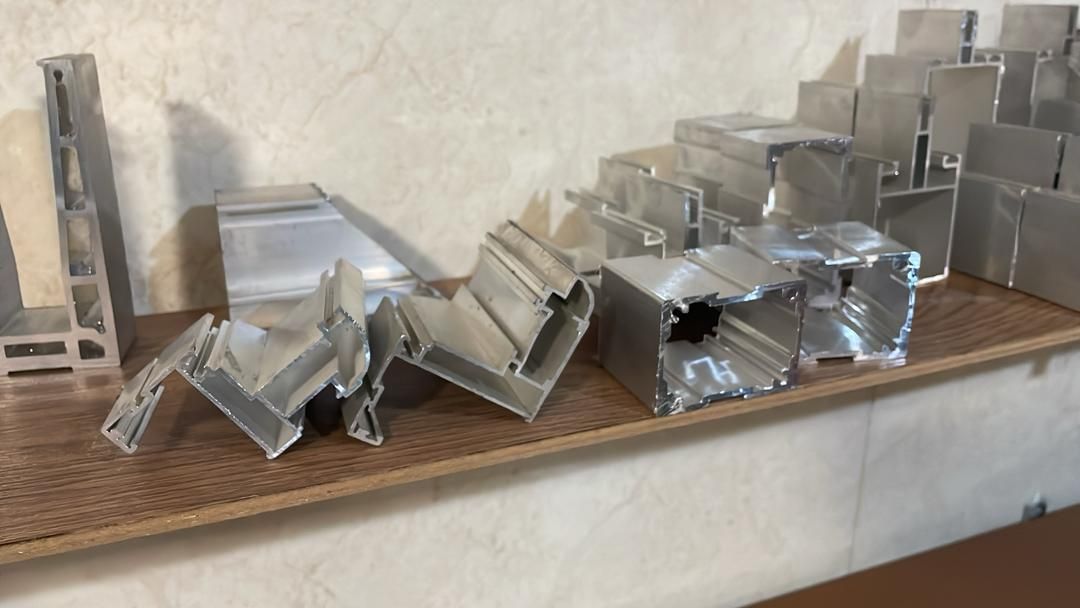
ranging from basic shapes like rectangles and circles to more complex designs like T-sections, Z-sections, and I-beams. This means that designers can choose from a wide range of options:
Can to find the perfect profile for their particular application.
Standardization: Because aluminum extrusions are made by pushing aluminum through a die, the resulting profile is consistent and repeatable.
This means that designers can specify the exact profile they need,
knowing that it will be produced to the same standard every time.
Simplified ordering: An aluminum extrusion catalog can simplify the ordering process by providing a standardized system for specifying profiles.
Rather than having to provide a detailed drawing or description of the desired profile,
designers can simply refer to the catalog and specify the profile by name or part number.
Cost savings: By using a catalog to choose from existing profiles rather than creating a custom profile,
designers can often save on tooling costs and other expenses associated with creating a new profile from scratch.
Improved quality: Because extrusion profiles are consistent and repeatable,
they tend to have higher quality than profiles produced by other methods.
This can lead to better performance and longer product life.
Key features of an aluminum extrusion catalog
While the specific details of an aluminum extrusion catalog may vary depending on the manufacturer,
most catalogs will include the following features:
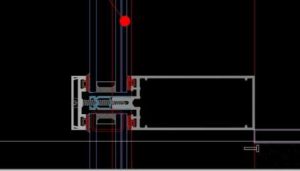
Profile diagrams:
A good catalog will include clear and detailed diagrams of each profile, showing its shape, dimensions,
and any other relevant details. These diagrams should be easy to read and understand, even for those who are not familiar with extrusion terminology.
Part numbers: Each profile in the catalog should have a unique part number or code :
that can be use to identify it when ordering.
Material specifications:
The catalog should provide information about the type of aluminum use to produce each profile, including its alloy and temper.
Tolerance information:
Because extrusion profiles are produced by pushing aluminum through a die,
there will be some degree of tolerance variation from one profile to the next.
The catalog should provide information about the expected tolerance range for each profile.
Surface finish: The catalog should include information about the surface finish of each profile, including any available coatings or treatments.
Accessories:
In addition to profiles, many catalogs will also include information about accessories like brackets, connectors,
and end caps that can be used to assemble extrusion structures.
Considerations when choosing an aluminum extrusion catalog
When choosing an aluminum extrusion catalog, there are several factors to consider:
Manufacturer: The first consideration when choosing a catalog is the manufacturer. There are many different companies that produce aluminum extrusions, each with their own range of profiles and specifications.
You should choose a manufacturer that has a good reputation for quality and reliability,
and that offers profiles that are suitable for
your specific application.
Profile options: The catalog should include a range of profile options that meet your design requirements. Consider factors like size, shape, and wall thickness, as well as any special features or requirements you may have.
Tolerance requirements:
If your application requires precise tolerances:
make sure to choose a catalog that provides detaile information about tolerance ranges for each profile.
Some catalogs may offer tighter tolerance ranges than others, so be sure to choose one that meets your needs.
Material specifications: Aluminum extrusion profiles can be make from a variety of alloys and tempers,
each with its own properties and performance characteristics.
Choose a catalog that provides detailed information about the materials used in each profile,
including the alloy, temper, and any special properties.
Surface finish options: The surface finish of an extrusion profile can affect its appearance, durability, and performance. Choose a catalog that provides information about surface finish options, including any available coatings or treatments.
Accessories: If you need to connect or assemble extrusion profiles,
consider a catalog that includes information about compatible accessories like brackets, connectors, and end caps.
This can help simplify the design and assembly process, and ensure a secure and reliable connection.
Availability and lead time:
Also Make sure to choose a catalog that includes profiles that are readily available and have reasonable lead times.
This will help ensure that you can get the profiles you need when you need them,
without undue delays or costs.
Conclusion
So An aluminum extrusion catalog in PDF format is an essential resource for designers and engineers who work with extrusion profiles.
It provides access to a wide range of standard profiles,
simplifies the ordering process, and can help reduce costs and improve quality.
When choosing a catalog, consider factors like the manufacturer, profile options, tolerance requirements, material specifications, surface finish options, accessories, and availability.
With the right catalog, you can find the perfect profile for your specific application and ensure a successful and efficient production process.





Leave A Comment