
Aluminium louvers profile Weight per m2
Introduction
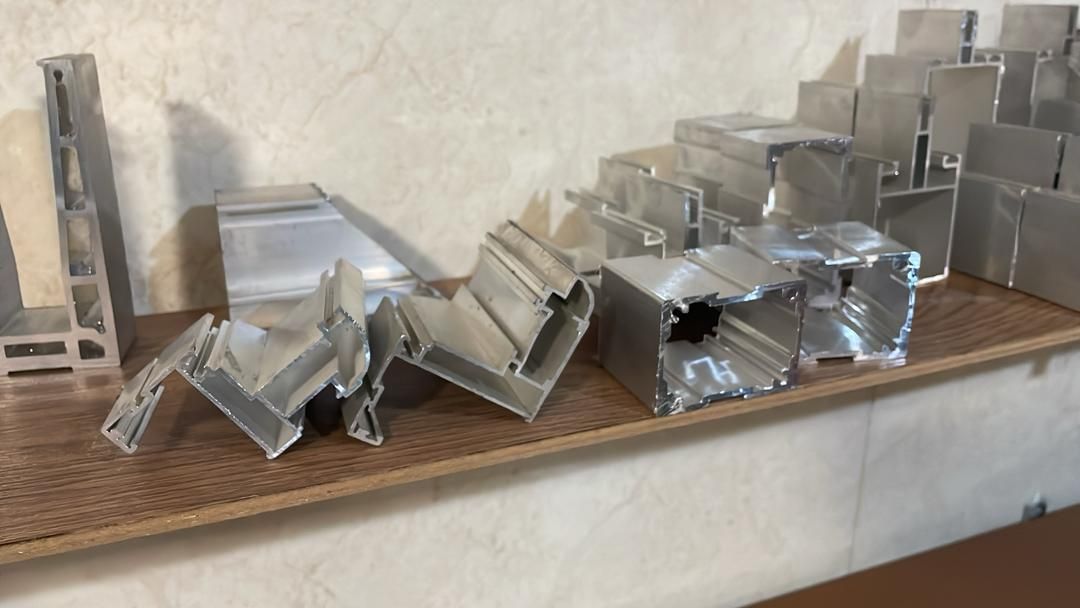
Aluminium louvers profiles are a popular choice in modern architecture due to their versatility, durability, and aesthetic appeal. They are widely used for windows, doors, sunshades, and ventilation systems, providing both functional benefits and enhancing the overall design of buildings. One crucial factor that architects, engineers, and builders consider when working with aluminium louvers is the weight per square meter (m2) of these profiles. In this article, we will explore the significance of understanding the weight per m2 of aluminium louvers profiles and its implications on construction and design.
What is Weight per m2?
Weight per m2, also known as surface density or areal density, is a metric used to measure the mass of a material per unit area. It is calculated by dividing the total mass of the material by its area in square meters. For aluminium louvers profiles, this measurement helps determine the load they impose on the supporting structure and assess their practicality for specific architectural applications.
Factors Affecting Weight per m2 of Aluminium Louvers Profiles
The weight per m2 of aluminium louvers profiles can vary significantly based on several factors, including:
- Profile Design: Different louvers profiles come in various designs, such as fixed, operable, or adjustable, each having a distinct shape and thickness. The design directly affects the overall weight of the profile per m2.
- Material Thickness: The thickness of the aluminium used in the profile heavily influences its weight. Thicker profiles tend to be heavier, while thinner ones are lighter.
- Profile Length and Width: Longer and wider louvers profiles will have a higher weight per m2 compared to shorter and narrower profiles, assuming all other factors remain constant.
- Hole Patterns: Some aluminium louvers profiles have perforated holes or patterns, which can reduce their overall weight by allowing airflow through them.
Importance of Understanding Weight per m2
- Structural Integrity: Architects and engineers must consider the weight of aluminium louvers profiles to ensure they do not put undue stress on the building’s structure. Understanding the weight per m2 helps in designing appropriate support systems and choosing suitable installation methods.
- Safety Concerns: Knowing the weight per m2 is crucial for safety evaluations, especially in high-rise buildings or installations in areas prone to extreme weather conditions. Adequate anchoring and load-bearing capacity are necessary to prevent any accidents or structural failures.
- Installation Ease: Lighter aluminium louvers profiles can be easier to handle and install, reducing labor and time costs during construction.
- Energy Efficiency: In projects where sustainability and energy efficiency are key considerations, understanding the weight per m2 can help assess the impact on the building’s overall energy consumption, particularly in terms of heating and cooling requirements.
-
Choosing the Right Aluminium Louvers Profile
Architects and designers must carefully consider the specific requirements of a project when selecting aluminium louvers profiles. It is essential to strike a balance between functionality, aesthetics, and structural considerations. If a building requires enhanced ventilation and airflow, perforated or adjustable louvers may be more suitable, even if they add a slightly higher weight per m2. On the other hand, fixed and non-perforated profiles may be preferred in areas where privacy and shading are primary concerns.
-
Calculating Weight per m2
To accurately calculate the weight per m2 of a particular aluminium louvers profile, manufacturers and construction professionals use precise measurements and engineering software. The calculations take into account the dimensions of the profile, material thickness, and any additional factors such as perforations, hole patterns, or special coatings.
-
Sustainable Aluminium Louvers Profiles
As environmental consciousness grows, sustainable building practices are becoming increasingly important. Thankfully, aluminium is a highly sustainable material due to its recyclability and low environmental impact during the manufacturing process. Choosing aluminium louvers profiles made from recycled content contributes to the reduction of carbon footprint and aids in achieving green building certifications like LEED (Leadership in Energy and Environmental Design).
-
Innovations in Aluminium Louvers Profiles
The building industry continuously evolves, and with it comes innovations in construction materials, including aluminium louvers profiles. Manufacturers are exploring new techniques to reduce the weight per m2 without compromising structural integrity. Lighter yet stronger alloys and advanced production methods offer opportunities to optimize the design and performance of louvers profiles, making them even more desirable for modern buildings.
Conclusion
Aluminium louvers profiles are versatile and functional architectural elements that serve various purposes while adding a touch of elegance to buildings. Understanding the weight per m2 of these profiles is vital for ensuring their safe and efficient integration into construction projects. By considering factors like profile design, material thickness, dimensions, and hole patterns, architects and builders can select the right aluminium louvers profiles to suit the specific needs of each project.
Furthermore, embracing sustainable practices and using recycled aluminium materials can contribute to eco-friendly building initiatives. As the industry advances, innovations in aluminium manufacturing will likely lead to even more lightweight, robust, and energy-efficient louvers profiles, driving the construction industry towards a more sustainable and greener future.
In conclusion, the weight per m2 of aluminium louvers profiles is a critical factor that should not be overlooked when designing and constructing buildings. By choosing the appropriate profiles and understanding their implications, architects and engineers can create safe, efficient, and visually appealing spaces that stand the test of time.

Leave A Comment