
Aluminium louvers details catalogue & dwg size
Aluminium louvers are an essential component in modern architecture, providing both functional and aesthetic benefits to buildings. They serve as excellent ventilation systems, enabling the passage of air while preventing rain and other debris from entering the structure. Moreover, they enhance the building’s appearance, adding a touch of contemporary elegance to its design. In this article, we present a detailed catalogue of aluminium louvers and explore the DWG (Drawing) sizes commonly used in their construction.
1. Types of Aluminium Louvers:
Aluminium louvers come in various styles and configurations, each designed to cater to specific functional and design requirements. Some popular types include:
a. Fixed Louvers: These are non-adjustable louvers permanently fixed in a position. They are ideal for applications where constant airflow is needed, such as industrial buildings and mechanical rooms.
b. Adjustable Louvers: These louvers allow for manual adjustment, enabling occupants to control the amount of airflow and sunlight entering the building. They are often used in windows and façades of commercial and residential structures.
c. Operable Louvers: Similar to adjustable louvers, operable louvers can be adjusted manually. However, they are typically larger in size and are often used for shading and privacy control in architectural designs.
d. Combination Louvers: These versatile louvers combine fixed and adjustable blades, providing a balance between constant airflow and user control.
2. Features and Benefits:
Aluminium louvers offer a range of features and benefits that make them a popular choice in modern building design:
a. Weather Resistance: Aluminium is highly resistant to corrosion and weathering, making it a durable option for louvers, especially in outdoor applications.
b. Lightweight and Strong: Aluminium’s high strength-to-weight ratio ensures that louvers are robust enough to withstand wind loads without adding excessive weight to the structure.
c. Low Maintenance: Aluminium louvers require minimal maintenance, and occasional cleaning is usually sufficient to keep them in top condition.
d. Customizable Finishes: They are available in various finishes, including anodized, powder-coated, or painted, providing architects and designers with numerous aesthetic options.
e. Energy Efficiency: Louvers aid in natural ventilation, reducing the need for mechanical cooling systems and contributing to energy efficiency in buildings.
f. Privacy and Sunlight Control: Adjustable and operable louvers allow occupants to regulate privacy levels and control the amount of sunlight entering the space.
3. DWG Size of Aluminium Louvers:
In architectural and engineering drawings, DWG files serve as the standard format for representing designs accurately. The DWG size of aluminium louvers may vary based on the louvers’ type, dimensions, and complexity of the design. Typically, these files contain the following information:
a. Elevation Views: Elevation views in the DWG file represent the louvers as they would appear from different perspectives. This helps architects and contractors visualize the placement and alignment of the louvers on the building façade.
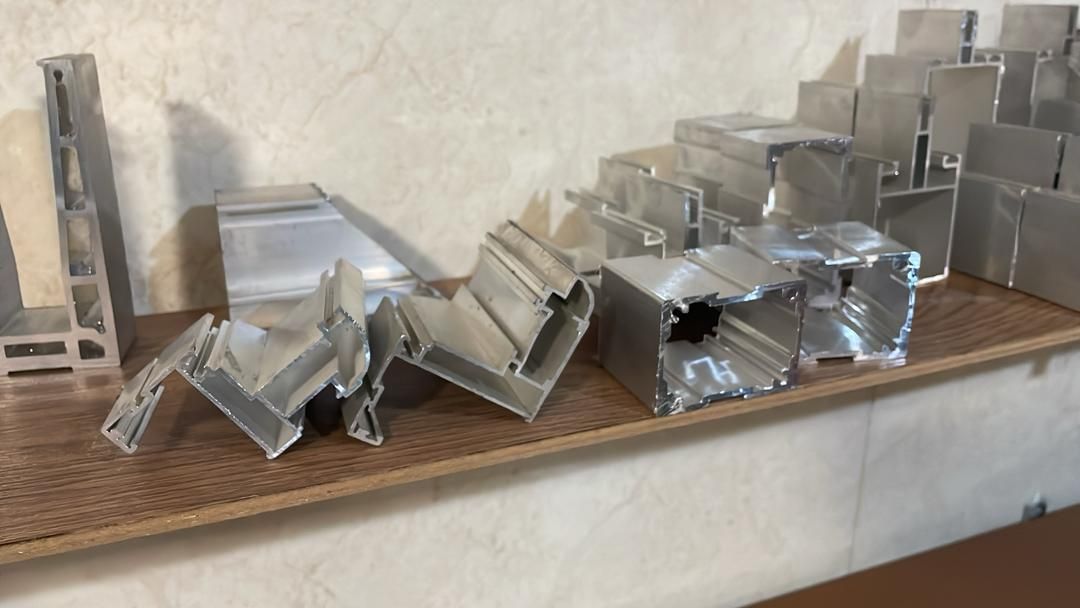
b. Cross-Section Views: Cross-section views illustrate the internal structure of the louvers, showcasing the arrangement of blades, fixing mechanisms, and other components.
c. Dimensions and Scale: DWG files provide precise dimensions of the louvers, allowing for accurate measurements and integration with other building elements.
d. Material Specifications: The DWG file may include material specifications, such as aluminium grade, finish, and coating details, ensuring that the correct materials are used during construction.
e. Connection Details: Connection details demonstrate how the louvers will be attached to the building, providing crucial information for proper installation.
5. Applications of Aluminium Louvers:
Aluminium louvers find application in a wide range of architectural and construction projects. Some of the common applications include:
a. Commercial Buildings: Aluminium louvers are frequently used in commercial buildings to enhance their exterior appearance while providing effective ventilation and sun control. They can be integrated into the façade or installed as sunshades over windows.
b. Residential Properties: In residential buildings, louvers offer homeowners the ability to manage privacy, control sunlight, and improve indoor air circulation. They can be incorporated into windows, doors, or even as decorative elements on the exterior.
c. Educational Institutions: Louvers are utilized in schools and universities for their practicality and aesthetic appeal. They contribute to a conducive learning environment by ensuring proper ventilation and natural light distribution.
d. Industrial Facilities: Industrial buildings often require effective ventilation to maintain air quality and temperature control. Aluminium louvers serve this purpose efficiently and can be installed on walls, roofs, or equipment enclosures.
e. Hospitality and Leisure: Louvers can be found in hotels, restaurants, and leisure facilities, providing a visually appealing solution to sun shading and privacy requirements for outdoor spaces.
6. Considerations for Choosing Aluminium Louvers:
When selecting aluminium louvers for a project, architects and builders need to take several factors into account:
a. Design and Aesthetics: Consider the architectural style and overall design of the building. Choose louvers that complement the structure’s aesthetics and contribute to the desired visual appeal.
b. Functionality: Identify the specific purpose of the louvers. For instance, if sun shading is a priority, consider adjustable or operable louvers. If constant ventilation is needed, fixed louvers may be more suitable.
c. Environmental Factors: Take into account the local climate, wind loads, and exposure to determine the required louver strength, size, and spacing.
d. Material Quality: Ensure that the aluminium used in the louvers is of high quality and complies with industry standards to guarantee durability and longevity.
e. Sustainability: Opt for aluminium louvers with eco-friendly finishes and coatings to promote sustainability and reduce the environmental impact.
f. Installation and Maintenance: Consider the ease of installation and maintenance of the chosen louvers. Accessibility for cleaning and potential repairs should be factored in during the design stage.
Conclusion:
Aluminium louvers are a versatile architectural element that combines functionality, aesthetics, and energy efficiency. Their popularity in modern building design stems from their ability to provide natural ventilation, sun shading, and privacy control, all while enhancing the overall appearance of the structure. With a variety of types and finishes available, aluminium louvers offer architects and designers ample opportunities for creative expression and customization.
Additionally, the availability of detailed DWG files facilitates accurate integration into architectural plans, ensuring a seamless construction process. When selecting aluminium louvers for a project, careful consideration of design requirements, environmental factors, and material quality will help achieve a balance between form and function, resulting in a successful and visually appealing architectural solution.
As the construction industry continues to evolve, aluminium louvers will remain a key element in sustainable and modern building designs, contributing to comfortable, efficient, and visually stunning structures across the globe,Aluminium louvers details catalogue & dwg size,Aluminium louvers details catalogue & dwg size.

Leave A Comment