
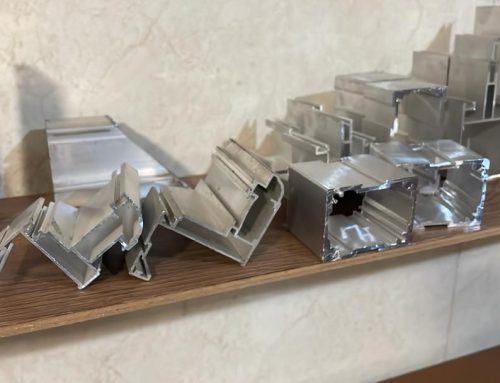
Aluminium facade louver profile
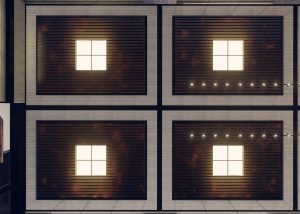
Aluminum facade louver profile systems have become increasingly popular in modern architecture as a sustainable and energy-efficient solution for buildings. These systems are designed to enhance the appearance and functionality of the building envelope, while also providing several benefits such as reducing solar heat gain, improving natural ventilation, and enhancing privacy and security.
In this article, we will explore the benefits of aluminium facade louver profile systems, their applications, and design considerations.
Benefits of Aluminium Facade Louver Profile Systems
- Energy Efficiency: Aluminum facade louver profile systems are designed to reduce solar heat gain, thus lowering the energy consumption required for cooling and air conditioning. By blocking direct sunlight, these systems can reduce the temperature inside a building, thus saving energy and reducing the carbon footprint.
- Natural Ventilation: Louver profiles can be adjusted to control the amount of airflow, allowing natural ventilation to occur. This can help to improve the indoor air quality of a building, reduce the need for mechanical ventilation, and provide a healthier and more comfortable environment for occupants.
- Privacy and Security: Louver profiles can also be used to enhance privacy and security. They can be designed to restrict the view into a building, while also allowing natural light to enter. This can be particularly useful for buildings that require a high level of privacy, such as healthcare facilities or research laboratories.
- Aesthetic Appeal: Aluminium facade louver profile systems can also enhance the appearance of a building, providing a modern and sleek design. The systems can be customized to match the overall design aesthetic of the building, providing a unique and distinctive look.
Applications of Aluminium Facade Louver Profile Systems
- Commercial Buildings: Aluminium facade louver profile systems are commonly used in commercial buildings, such as offices, retail stores, and hotels. These systems can provide energy efficiency, natural ventilation, and privacy, while also enhancing the aesthetic appeal of the building.
- Educational Facilities: Louver profile systems can also be used in educational facilities, such as schools and universities. These systems can provide natural ventilation, enhance privacy and security, and reduce energy consumption, providing a healthier and more comfortable environment for students and faculty.
- Healthcare Facilities: Louver profile systems can also be used in healthcare facilities, such as hospitals and clinics. These systems can provide privacy, improve indoor air quality, and reduce the risk of infection by providing natural ventilation.
- Residential Buildings: Louver profile systems can also be used in residential buildings, providing energy efficiency and enhancing the overall aesthetic appeal of the building.
Design Considerations for Aluminium Facade Louver Profile Systems
- Orientation: The orientation of the building can have a significant impact on the effectiveness of the louver profile system. In order to maximize energy efficiency, the louvers should be oriented to block direct sunlight during the hottest parts of the day.
- Size: The size of the louvers should be carefully considered to ensure that they provide adequate ventilation while also providing privacy and security.
- Material: Aluminium is a popular material choice for louver profile systems due to its durability, strength, and resistance to corrosion. However, other materials, such as wood or composite materials, can also be used depending on the specific design requirements.
- Color and Finish: The color and finish of the louver profiles can also have an impact on the overall aesthetic appeal of the building. The profiles can be customized to match the overall design aesthetic of the building, providing a unique and distinctive look.
Conclusion
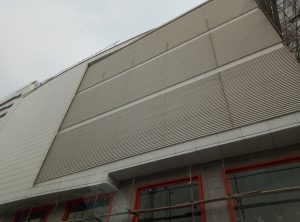
Aluminium facade louver profile systems have become an increasingly popular choice for modern architecture due to their sustainability, energy efficiency, and aesthetic appeal. These systems can be used in a wide range of applications, including commercial, educational, healthcare, and residential buildings. When designing a louver profile system, it is important to consider factors such as orientation,size, material, and color and finish in order to ensure that the system provides optimal performance and matches the overall design aesthetic of the building.
In addition to their functional benefits, aluminium facade louver profile systems can also enhance the overall appearance of a building. The unique and distinctive design of the system can create a visually striking façade, adding to the overall character of the building.
Furthermore, aluminium facade louver profile systems are a sustainable solution for buildings. By reducing solar heat gain and improving natural ventilation, these systems can help to lower energy consumption and reduce the carbon footprint of a building. This can have a significant impact on the environment and can also help to reduce energy costs for building owners.
Overall, aluminium facade louver profile systems are a versatile and effective solution for modern architecture. With their combination of functionality, aesthetics, and sustainability, these systems can help to create buildings that are both beautiful and energy-efficient.

Hello, Neat post. There is a problem together with your site in internet explorer, would test this?
IE nonetheless is the marketplace chief and a big element of
people will miss your great writing due to this problem.