
Advantages disadvantages terracotta Aluminium
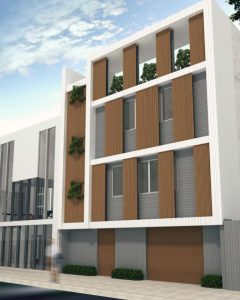
Terracotta and aluminium are both popular materials used in architecture, construction, and design. Terracotta is a type of clay that has been baked in a kiln to create a durable material that is often used for building facades, roofs, and decorative elements. Aluminium, on the other hand, is a lightweight metal that is commonly used for building frames, roofs, and other structural components. In this article, we will explore the advantages and disadvantages of using terracotta and aluminium in construction.
Advantages of Terracotta
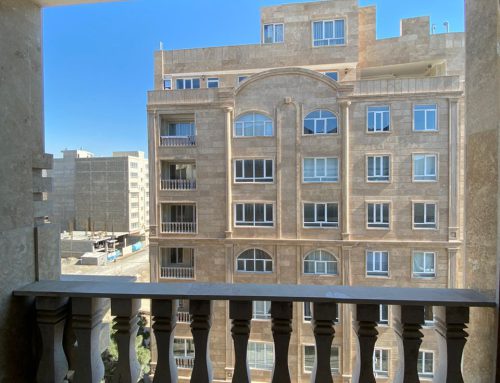
- Aesthetic Appeal: Terracotta has a unique, earthy texture that adds a warm and inviting look to a building’s exterior. It is available in a variety of colors, shapes, and sizes, allowing architects and designers to create visually striking facades and accents.
- Durability: Terracotta is a hard, durable material that can withstand harsh weather conditions, including high winds, rain, and extreme temperatures. It is also fire-resistant, making it a safe choice for buildings in areas prone to wildfires.
- Low Maintenance: Terracotta requires very little maintenance over time, as it is resistant to mold, mildew, and fading. Additionally, the material is easy to clean and does not require any special treatment or cleaning products.
- Sustainability: Terracotta is an environmentally friendly building material, as it is made from natural clay and does not release harmful chemicals into the environment. It is also recyclable, reducing waste and promoting sustainable building practices.
Disadvantages of Terracotta
- Cost: Terracotta can be more expensive than other building materials, such as concrete or brick. The cost of installation can also be higher, as the material requires specialized techniques and tools.
- Fragility: Although terracotta is durable, it can be prone to cracking and chipping if it is not installed properly or exposed to extreme weather conditions. Repairs can be costly and time-consuming.
- Weight: Terracotta is a heavy material, which can add significant weight to a building’s structure. This can be a concern for architects and builders who need to consider weight restrictions and load-bearing capacity.
Advantages of Aluminium
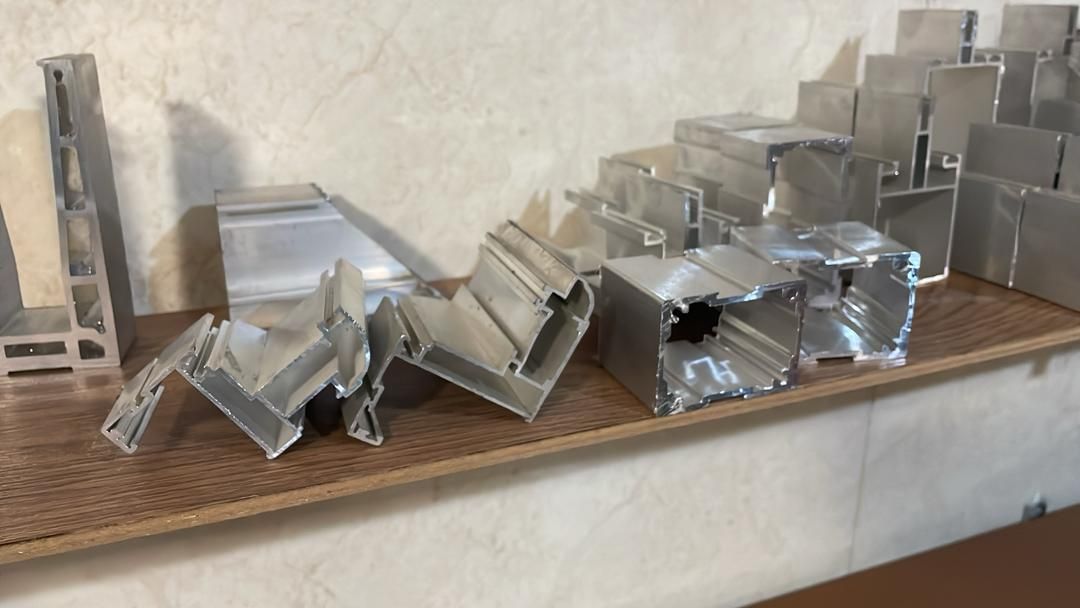
- Lightweight: Aluminium is a lightweight material that is easy to transport and install. It can be used for building frames, roofs, and other structural components without adding significant weight to a building’s structure.
- Durability: Aluminium is a highly durable material that can withstand harsh weather conditions, including high winds, rain, and extreme temperatures. It is also resistant to corrosion, making it a good choice for buildings located in coastal areas.
- Low Maintenance: Aluminium requires very little maintenance over time, as it is resistant to rust, mold, and fading. It is also easy to clean and does not require any special treatment or cleaning products.
- Versatility: Aluminium is a versatile material that can be easily shaped and manipulated into a variety of designs and configurations. It is available in a range of finishes, including anodized, painted, and powder-coated, allowing architects and designers to achieve their desired aesthetic.
Disadvantages of Aluminium
- Cost: Aluminium can be more expensive than other building materials, such as wood or concrete. The cost of installation can also be higher, as the material requires specialized techniques and tools.
- Conductivity: Aluminium is a highly conductive material, meaning that it can transfer heat and cold quickly. This can be a concern for buildings located in areas with extreme temperatures, as it can lead to higher energy costs for heating and cooling.
- Sustainability: Although aluminium is recyclable, it is not an environmentally friendly material to produce. The extraction and manufacturing process can have negative impacts on the environment, including greenhouse gas emissions and water pollution.
Conclusion
In conclusion, both terracotta and aluminium have their advantages and disadvantages when it comes to construction and design. Terracotta offers a unique aesthetic appeal, durability, and sustainability, but can be expensive and heavy. Aluminium is lightweight, durable, and versatile, but can be expensive, conductive, and less sustainable.
When choosing between the two materials, it is important to consider the specific needs of the building project, such as location, climate, budget, and design preferences. Architects and builders should also take into account the long-term maintenance and repair costs of each material, as well as their impact on the environment.
Ultimately, both terracotta and aluminium have proven to be reliable and popular building materials that offer distinct benefits and challenges. By weighing the pros and cons of each option, builders can make an informed decision that meets the needs of their clients, while also promoting sustainable and responsible building practices.
It is also worth noting that advancements in technology and design have led to the development of new materials that combine the benefits of terracotta and aluminium, while minimizing their disadvantages. For example, some companies offer terracotta panels that are reinforced with aluminium, providing the durability and lightweight properties of both materials. Similarly, some aluminium products now come with a textured or coated finish that mimics the appearance of terracotta, providing a more natural and organic look.
As the construction industry continues to evolve and prioritize sustainability and innovation, it is likely that new materials and design solutions will emerge that offer even more benefits and versatility. In the meantime, builders can choose between terracotta and aluminium based on their specific needs and preferences, and continue to explore new possibilities for sustainable and aesthetically pleasing building materials.

Leave A Comment