
ٍٍExterior glass wall profile

When it comes to modern architectural design, exterior glass walls have become increasingly popular due to their sleek and contemporary aesthetic. However, in order to achieve the desired look, it’s important to choose the right glass wall profile. In this article, we’ll take a closer look at what an exterior glass wall profile is, why it’s important, and the different types available.
What is an exterior glass wall profile?
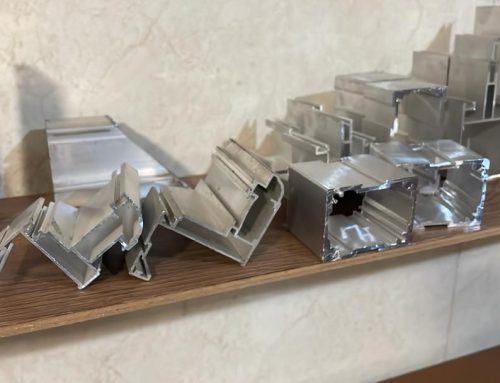
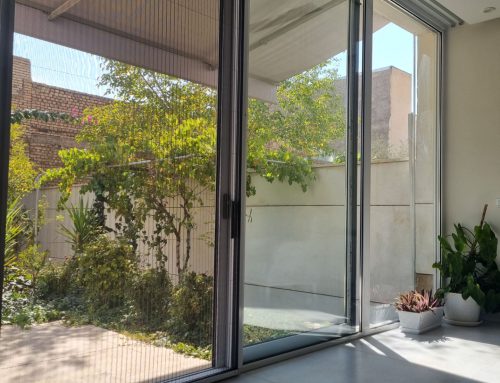
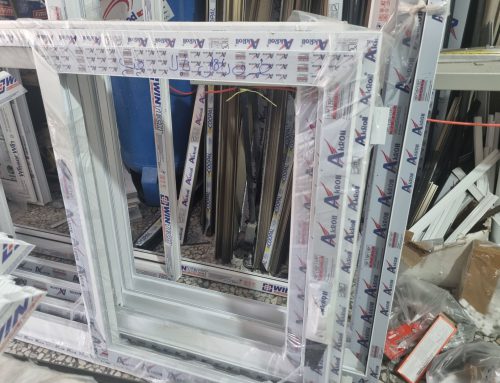
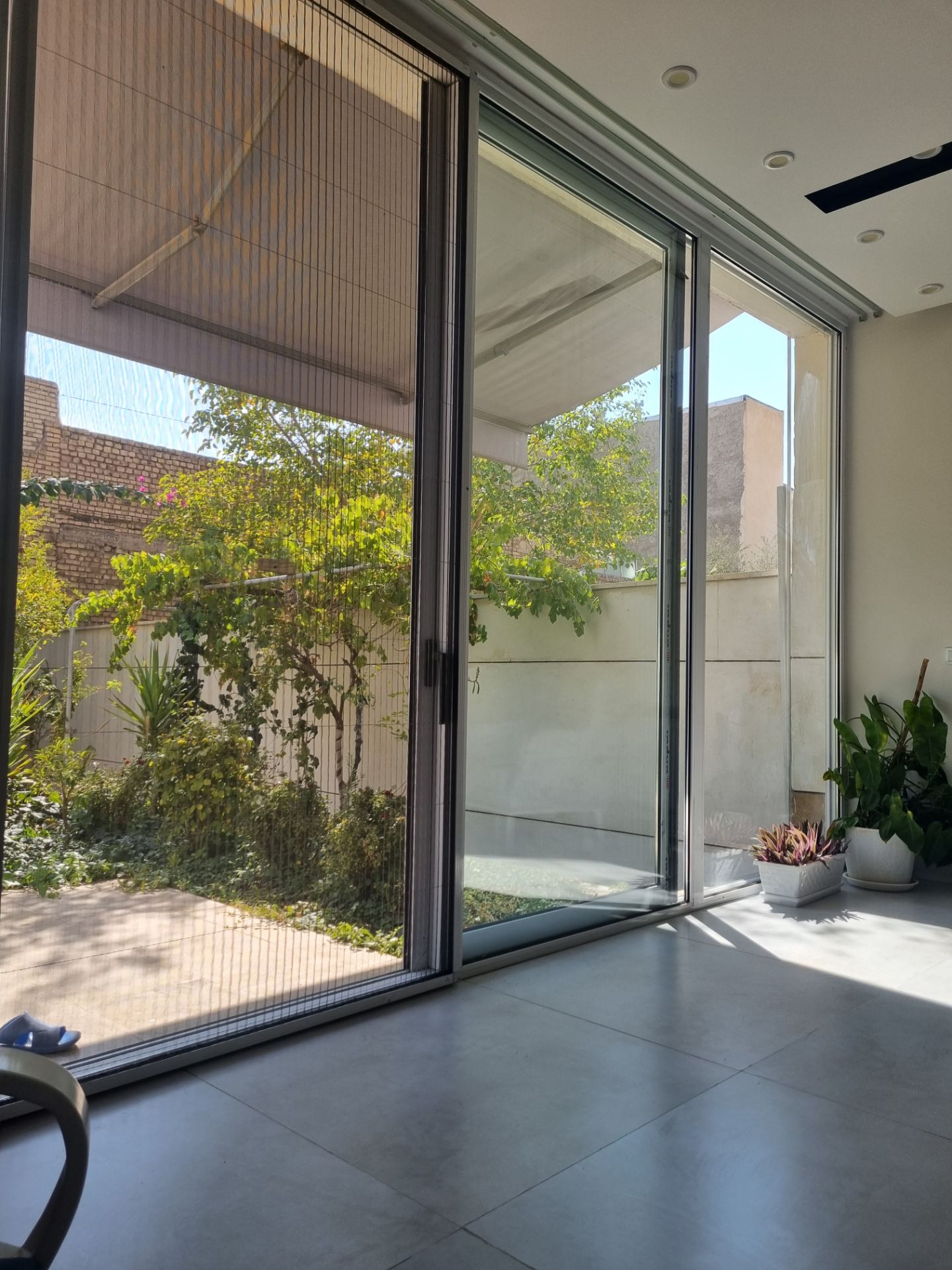
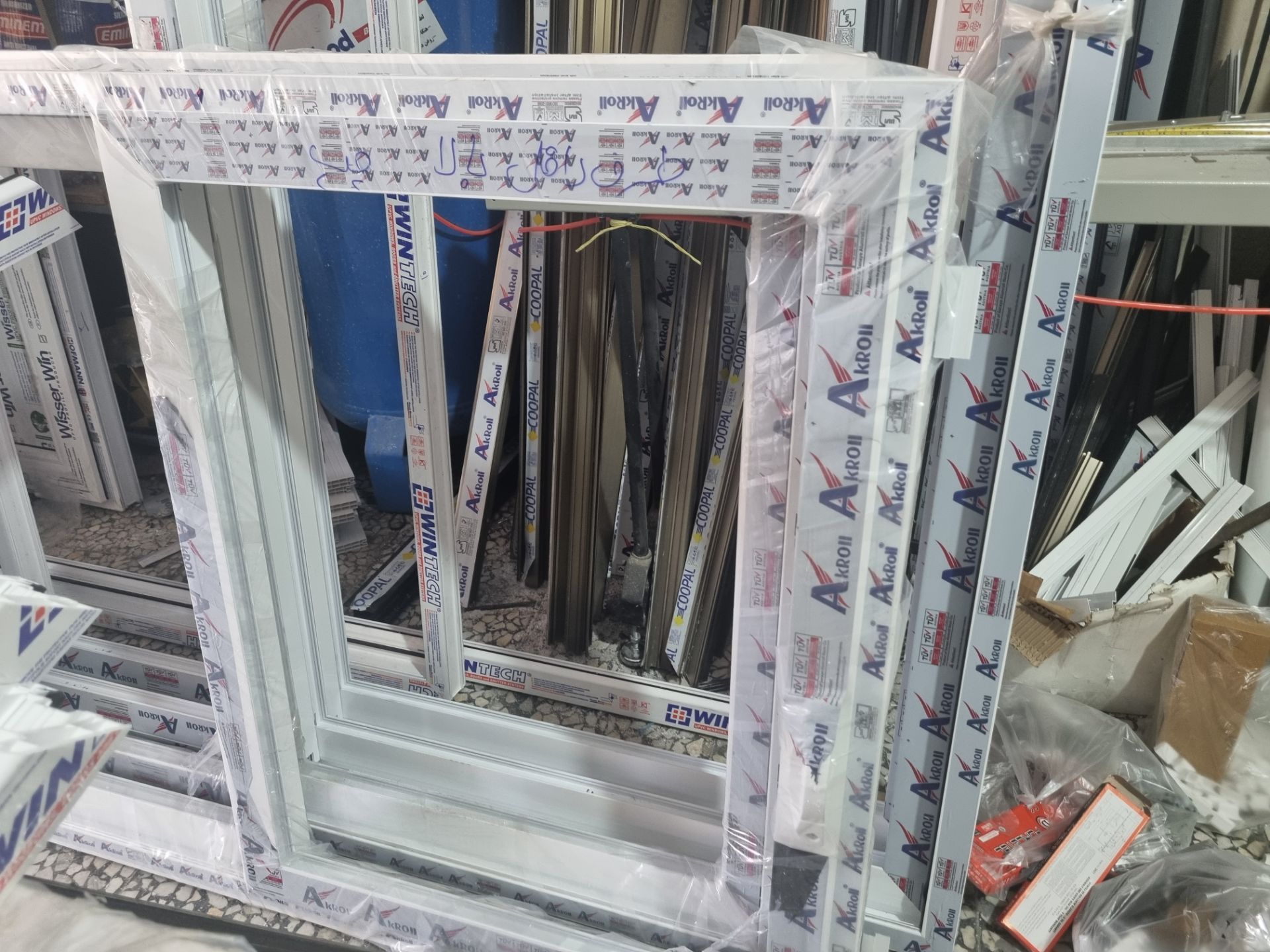
An exterior glass wall profile is the framing system used to hold glass panels in place and create a cohesive, unified structure. The profile is what separates the interior and exterior environments and provides structural support, weather protection, and insulation. The profile itself can be made from a variety of materials, including aluminum, steel, or even wood.

Why is the profile important?
The exterior glass wall profile plays a crucial role in the overall functionality of the glass wall. It not only helps to keep the glass panels securely in place but also provides support for the weight of the glass, which can be quite substantial. In addition, the profile helps to protect against the elements, such as wind, rain, and snow, ensuring that the interior environment remains comfortable and dry.
Another important function of the exterior glass wall profile is to provide insulation. Since glass is a poor insulator, it’s important to have a well-designed profile to ensure that the wall does not allow heat to escape in the winter or enter in the summer. This not only helps to maintain a comfortable temperature inside the building but also reduces energy costs and helps to promote sustainability.
Types of exterior glass wall profiles
There are several different types of exterior glass wall profiles available, each with their own unique characteristics and benefits. The most common types include:

All-focus
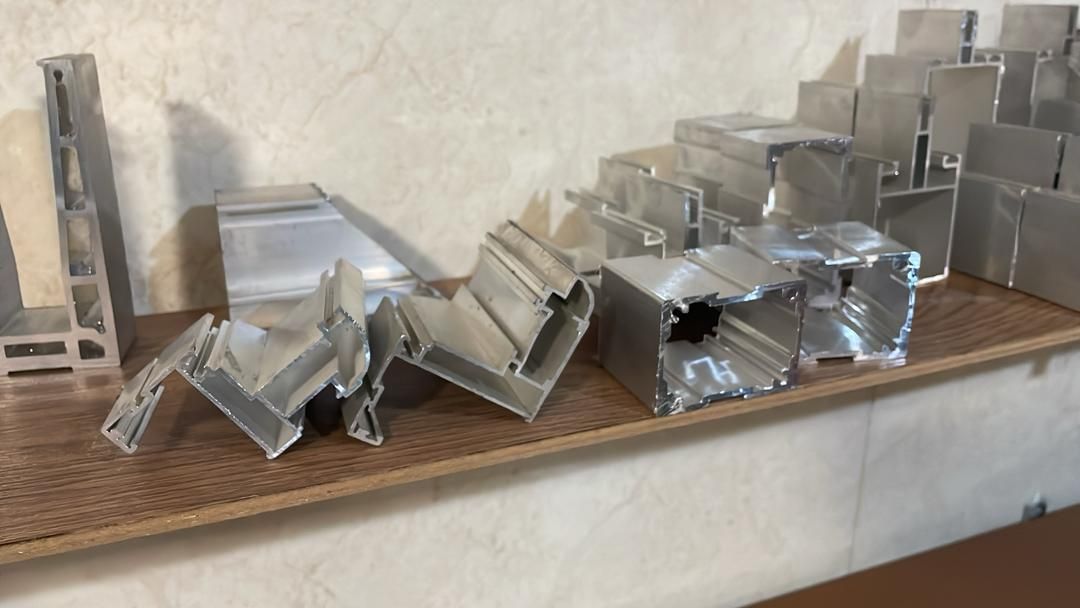
Aluminum profile
Aluminum is the most popular material for exterior glass wall profiles due to its durability, strength, and versatility. Aluminum profiles are lightweight and easy to work with, making them a popular choice for large-scale projects. They are also highly resistant to corrosion and can be coated in a variety of finishes to match the aesthetic of the building.
Steel profile
Steel profiles are another popular choice for exterior glass walls, particularly in high-rise buildings. Steel is an incredibly strong and durable material, making it ideal for use in structures that need to withstand high wind loads and other environmental stresses. However, steel is also heavy and can be more difficult to work with than other materials.
Wood profile
While less common than aluminum or steel, wood profiles can be an attractive option for exterior glass walls in certain contexts. Wood has a natural warmth and beauty that can complement the glass panels and create a more inviting atmosphere. However, wood is not as strong or durable as other materials and requires more maintenance to prevent rot and decay.
Structural silicone glazing
Structural silicone glazing is a unique type of exterior glass wall profile that does not use visible frames or mullions. Instead, the glass panels are held in place by a structural silicone sealant, which provides both support and weather protection. This type of profile is ideal for creating a seamless, minimalist look, but it requires a high level of precision and expertise to install correctly.
Factors to consider when choosing an exterior glass wall profile
When choosing an exterior glass wall profile, there are several factors to consider, including:

Building codes and regulations
Before selecting a profile, it’s important to ensure that it meets all relevant building codes and regulations. This can include requirements for wind resistance, thermal performance, and fire safety, among other factors.
Design considerations
The profile you choose should complement the overall design aesthetic of the building. This can include factors such as color, finish, and shape.
Performance requirements
The profile should be able to meet the performance requirements of the project, including factors such as structural integrity, weather protection
Budget
The cost of the profile is also an important consideration. Different materials and designs can have varying costs, and it’s important to choose a profile that fits within the project’s budget.
Maintenance requirements
The profile should also be easy to maintain and repair, as regular upkeep is necessary to ensure the longevity and performance of the glass wall.
Installation requirements
Finally, it’s important to consider the installation requirements for the profile. Some profiles may require more specialized installation techniques or equipment, which can impact the overall timeline and cost of the project.
In conclusion, the exterior glass wall profile is a crucial component of modern architectural design. It not only provides support and protection for the glass panels but also plays a key role in the overall aesthetics and functionality of the building.
When choosing a profile, it’s important to consider factors such as building codes, design considerations, performance requirements, budget, maintenance requirements, and installation requirements to ensure the success of the project. With the right profile, an exterior glass wall can create a stunning and functional addition to any building.
ٍٍExterior glass wall profile
ٍٍExterior glass wall profile

Leave A Comment