
Exterior glass wall cladding

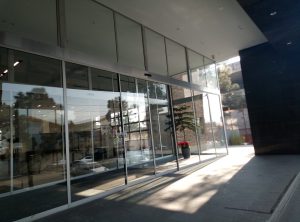
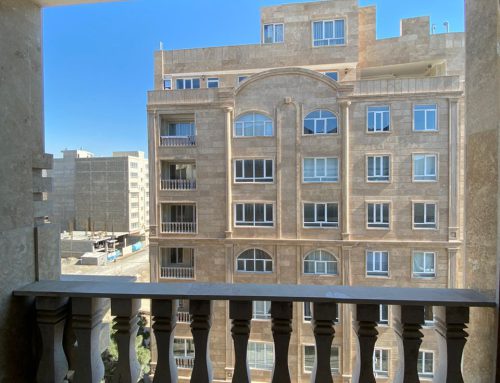
Exterior glass wall cladding is a modern architectural solution that provides several benefits. It offers a sleek and modern appearance, which makes it an ideal choice for contemporary buildings. In addition, it allows natural light to enter the building, providing a healthier and more comfortable environment for occupants. The use of exterior glass wall cladding has been increasing in popularity in recent years, and for good reason. In this article, we will explore the benefits of exterior glass wall cladding, different types of glass used in cladding, and considerations when choosing exterior glass wall cladding.
All-focus
Benefits
One of the primary benefits of exterior glas wall cladding is the aesthetic appeal it provides. The sleek and modern appearance of the glass cladding adds a touch of sophistication to any building. It is available in a variety of textures and colors, which allows for customization to fit the unique needs of the building.
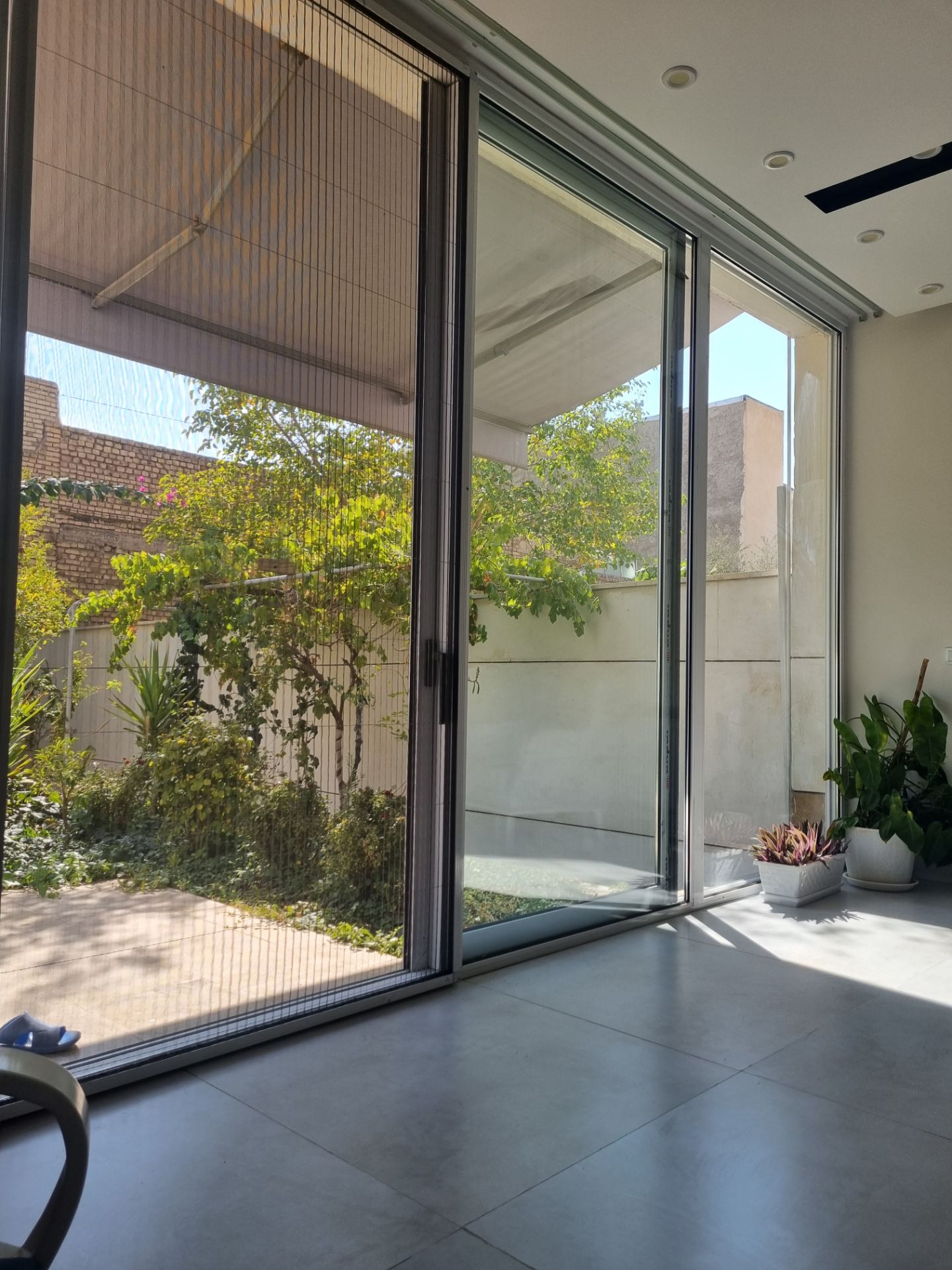
Another benefit of exterior glss wall cladding is its ability to provide natural light to the interior of the building. Natural light is known to improve the mental and physical well-being of occupants. It also reduces the reliance on artificial lighting, which can help to reduce energy costs.
Exterior glass wall cladding is also durable and requires minimal maintenance. It is resistant to weather, UV radiation, and other external factors that can cause damage to the building. This makes it a cost-effective solution for building exteriors.
Different Types of Glass Used in Cladding
There are several different types of glass that can be used in exterior wall cladding. The type of glass chosen will depend on the specific needs of the building.
Annealed Glass
Annealed glass is a type of glass that is commonly used in exterior wall cladding. It is the most common type of glass used in residential and commercial buildings. Annealed glass is heated to a high temperature and then slowly cooled, which makes it more durable than regular glass.
Toughened Glass
Toughened glass is another type of glass used in exterior wall cladding. It is also known as tempered glass. Toughened glass is created by heating annealed glass to a high temperature and then rapidly cooling it. This process makes the glass more durable and resistant to impact.
Laminated Glass
Laminated glass is a type of glass that is made by sandwiching a layer of plastic between two layers of glass. This process makes the glass more resistant to impact and helps to reduce the risk of injury if the glass breaks. Laminated glass is commonly used in high-rise buildings and areas where safety is a concern.
Insulated Glass
Insulated glass is a type of glass that is designed to improve the energy efficiency of buildings. It is created by sandwiching a layer of gas between two layers of glass. This gas helps to reduce the transfer of heat between the interior and exterior of the building, which helps to reduce energy costs.
Considerations When Choosing
When choosing xterior glass wall cladding, there are several factors that should be considered.
Building Location and Climate
The location of the building and the local climate should be taken into consideration when choosing exterior glass wall cladding. Buildings located in areas with extreme temperatures or high winds will require more durable and resistant glass.
Building Height
The height of the building should also be taken into consideration when choosing exterior glass wall cladding. Buildings with higher elevations will require glass that is more resistant to impact and wind.
Building Function
The function of the building should also be taken into consideration when choosing exterior glas wall cladding. Buildings that require more privacy, such as hospitals or government buildings, may require tinted or frosted glass.
Maintenance
The maintenance requirements of the glass should also be considered when choosing exterior glass wall claddng.
While exterior glas wall cladding is known for its durability and low maintenance requirements, it is still important to consider the cleaning and maintenance needs of the glass. For example, some types of glass may require more frequent cleaning or may be more susceptible to scratching.
Cost
Finally, the cost of the glass should also be taken into consideration when choosing exterior glass wall clading. While it is a cost-effective solution in the long run due to its durability and energy efficiency, it may require a larger upfront investment compared to other types of cladding materials.
Conclusion
Exterior glas wall cladding is a modern and versatile solution for building exteriors. It offers a sleek and modern appearance, allows for natural light to enter the building, and requires minimal maintenance. When choosing exterior glass wall cadding, it is important to consider factors such as the building location and climate, building height, function, maintenance requirements, and cost. By taking these factors into consideration, you can ensure that you choose the right type of glass for your building’s exterior that will provide both aesthetic appeal and practical benefits.

Leave A Comment