
What is the cost of unitized curtain wall system
Introduction
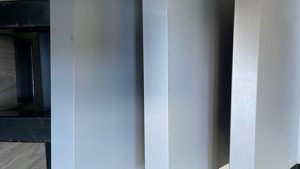
In the realm of modern architectural design, the curtain wall system stands as a testament to the fusion of functionality and aesthetics. One variant of this system, the unitized curtain wall, has gained substantial popularity due to its numerous advantages. However, as with any architectural element, understanding the associated costs is crucial for informed decision-making. In this article, we will delve into the factors that influence the cost of a unitized curtain wall system and explore how architects, engineers, and project managers can optimize its implementation.
The Unitized Curtain Wall System: A Brief Overview
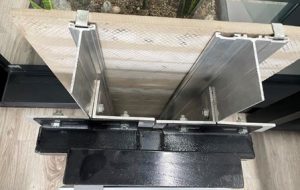
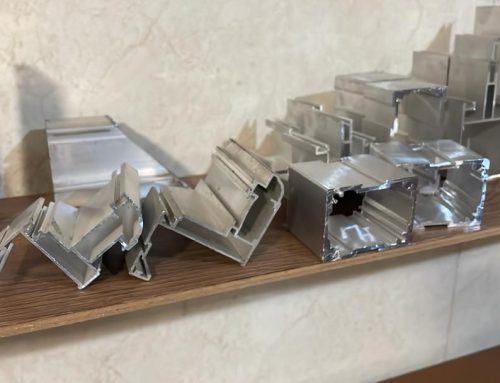
The unitized curtain wall system is a sophisticated facade solution commonly employed in large-scale commercial, residential, and institutional buildings. It consists of pre-fabricated panels, or “units,” which are assembled off-site under controlled conditions. These units are then transported and installed on the building’s structure, offering benefits like improved quality control, reduced installation time, and enhanced energy efficiency.
Factors Influencing the Cost
- Design Complexity: The complexity of the architectural design plays a significant role in determining the cost of a unitized curtain wall system. Intricate facades with irregular shapes, varying unit sizes, and unique geometries require custom manufacturing and assembly, leading to higher costs.
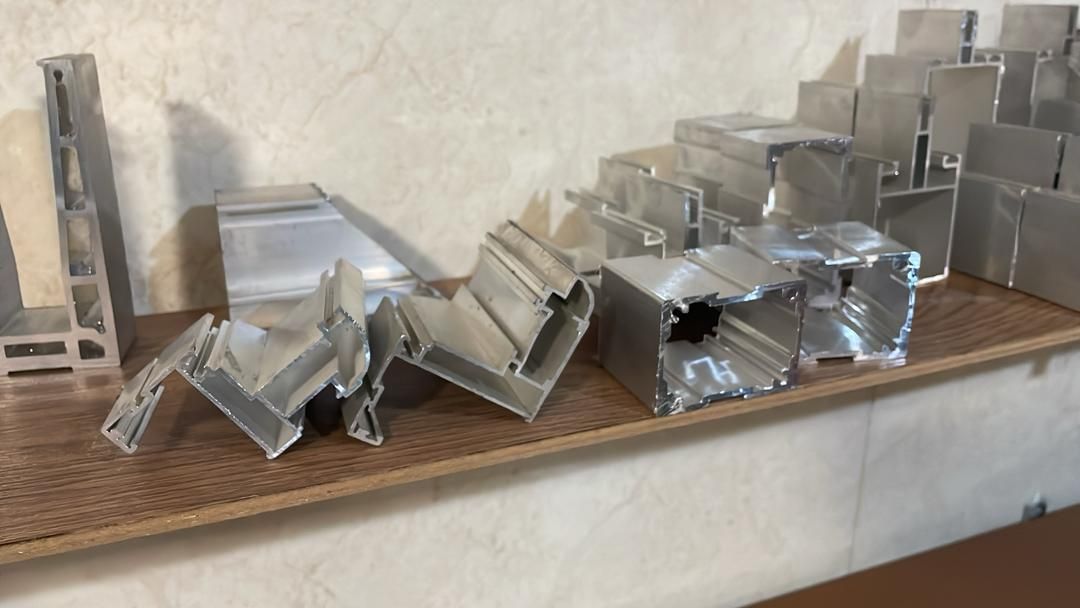
- Material Selection: The choice of materials greatly impacts the cost of the system. High-quality materials such as high-performance glass, aluminum alloys, and advanced thermal coatings offer improved aesthetics, energy efficiency, and durability but also come at a higher price point.
- Site Conditions: Site-specific factors such as location, accessibility, and weather conditions can affect installation costs. Sites that are difficult to access may require specialized equipment, increasing both labor and equipment costs.
- Engineering and Testing: Comprehensive engineering analysis and rigorous testing are essential for ensuring the structural integrity and performance of the curtain wall system. These processes can add to the upfront costs but are essential for long-term reliability and compliance with building codes.
- Size of the Project: The scale of the building project directly impacts the cost of the unitized curtain wall system. Larger buildings require more units, more materials, and more labor, contributing to a higher overall cost.
- Energy Efficiency and Sustainability: Incorporating energy-efficient features such as thermal breaks, low-emissivity glass, and shading devices can increase the upfront cost. However, these features can lead to long-term energy savings and environmental benefits.
- Installation Complexity: The ease of installation is influenced by factors such as the building’s structure, height, and layout. Complex installation requirements, such as the need for specialized rigging or scaffolding, can increase labor costs.
Cost Optimization Strategies
- Early Collaboration: Collaboration between architects, engineers, and curtain wall manufacturers from the project’s inception can help identify cost-effective design solutions without compromising aesthetics or performance.
- Standardization: Standardizing unit sizes and designs can lead to economies of scale during manufacturing and assembly, reducing costs.
- Material Balance: Balancing the use of premium materials with cost-effective alternatives can help achieve the desired aesthetics and performance while managing expenses.
- Efficient Manufacturing: Choosing a reputable manufacturer with a history of producing high-quality unitized curtain wall systems can ensure a smoother manufacturing process, minimizing delays and additional costs.
- Lifecycle Considerations: While the upfront cost is a crucial consideration, factoring in long-term maintenance and energy savings can justify higher initial investments.
Conclusion
In the dynamic world of modern architecture, the unitized curtain wall system has become an embodiment of innovation and sophistication. While its upfront cost may seem like a significant consideration, it’s important to recognize the broader value it brings to a project. A well-designed and properly implemented unitized curtain wall system can enhance a building’s aesthetics, energy efficiency, and overall functionality, thereby contributing to its long-term success.
As technology continues to evolve, it’s likely that the costs associated with unitized curtain wall systems will undergo further refinement. Advancements in manufacturing techniques, materials science, and construction methodologies may lead to more cost-effective solutions without compromising on quality or performance. Architects and project managers should remain open to these emerging possibilities to strike the optimal balance between design aspirations and budget realities.
In essence, the cost of a unitized curtain wall system is an investment in both the present and the future. By carefully assessing the various influencing factors and employing strategic cost optimization strategies, architects can create striking architectural landmarks that not only inspire awe but also stand as a testament to the harmonious marriage of form and function.
In conclusion, the unitized curtain wall system offers an opportunity to reshape the skyline of modern cities and redefine architectural possibilities. By understanding its cost dynamics, architects and project stakeholders can make well-informed decisions that result in buildings that are not only aesthetically captivating but also financially viable and environmentally responsible. In the intricate dance of design, engineering, and economics, the unitized curtain wall system emerges as a star performer, casting its brilliance on the canvas of urban architecture.

Leave A Comment