
What is modern design architecture Aluminium profile?
Modern design architecture often incorporates the use of aluminium profiles in building construction. Aluminium profiles are a type of building material that is characterized by their lightweight, strength, and durability. The use of aluminium profiles in modern design architecture has been on the rise due to their numerous benefits.
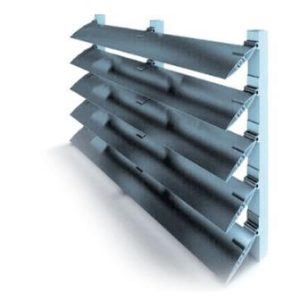
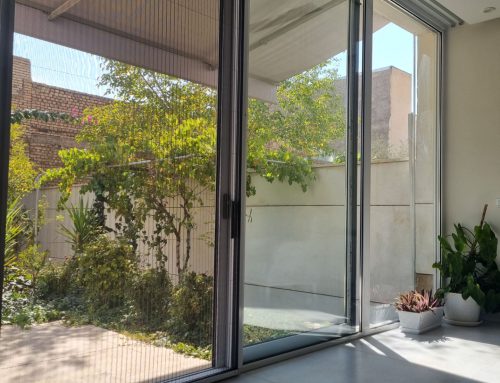
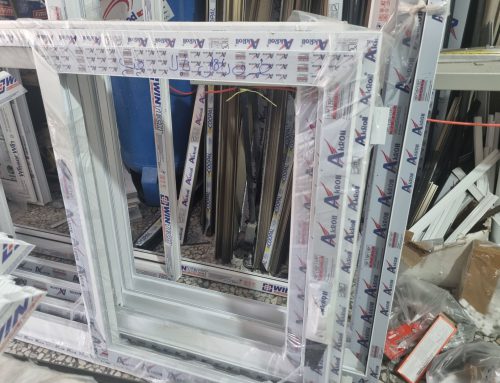
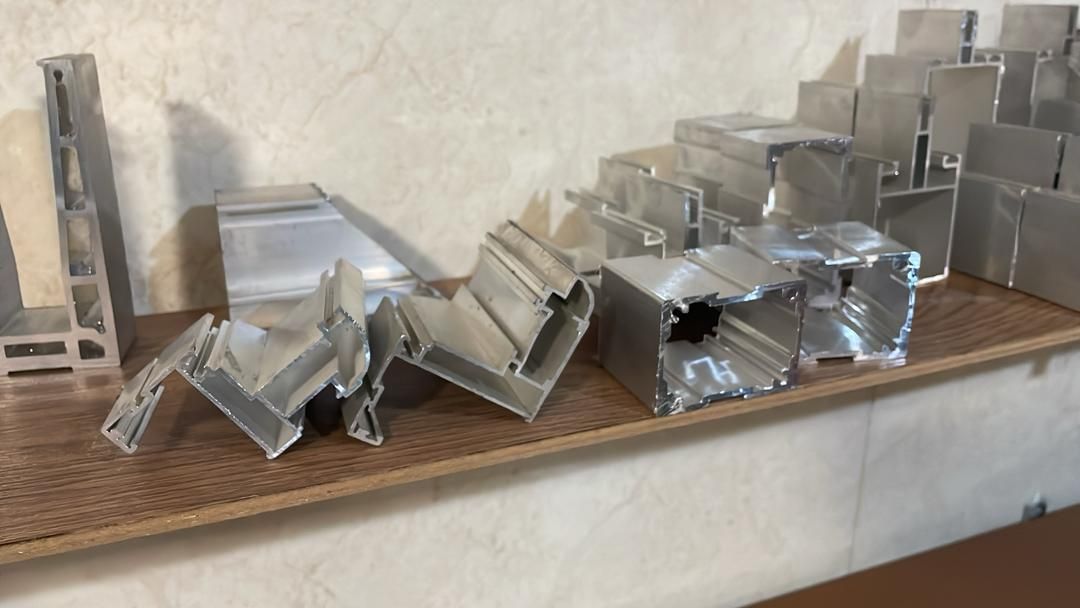
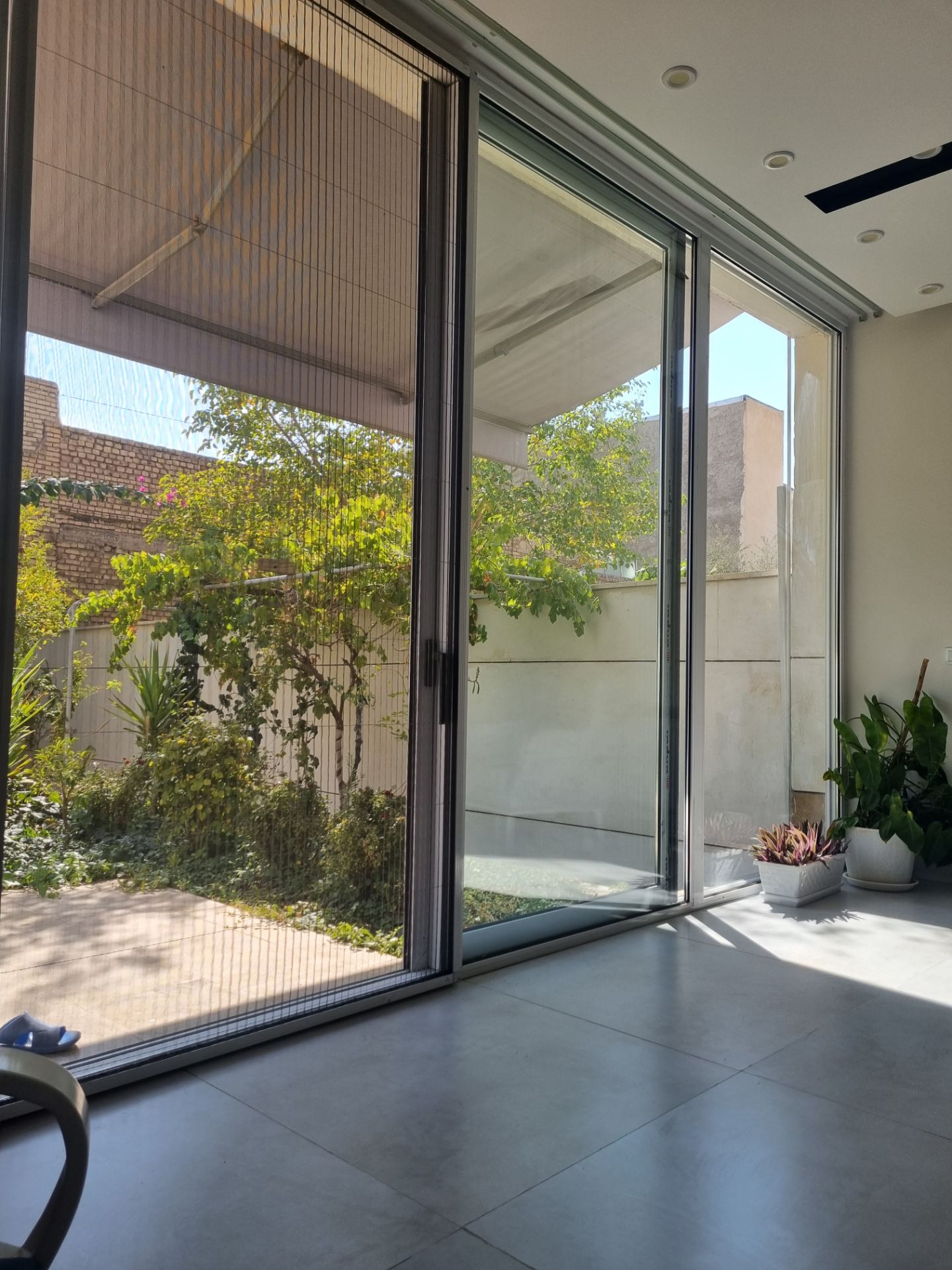
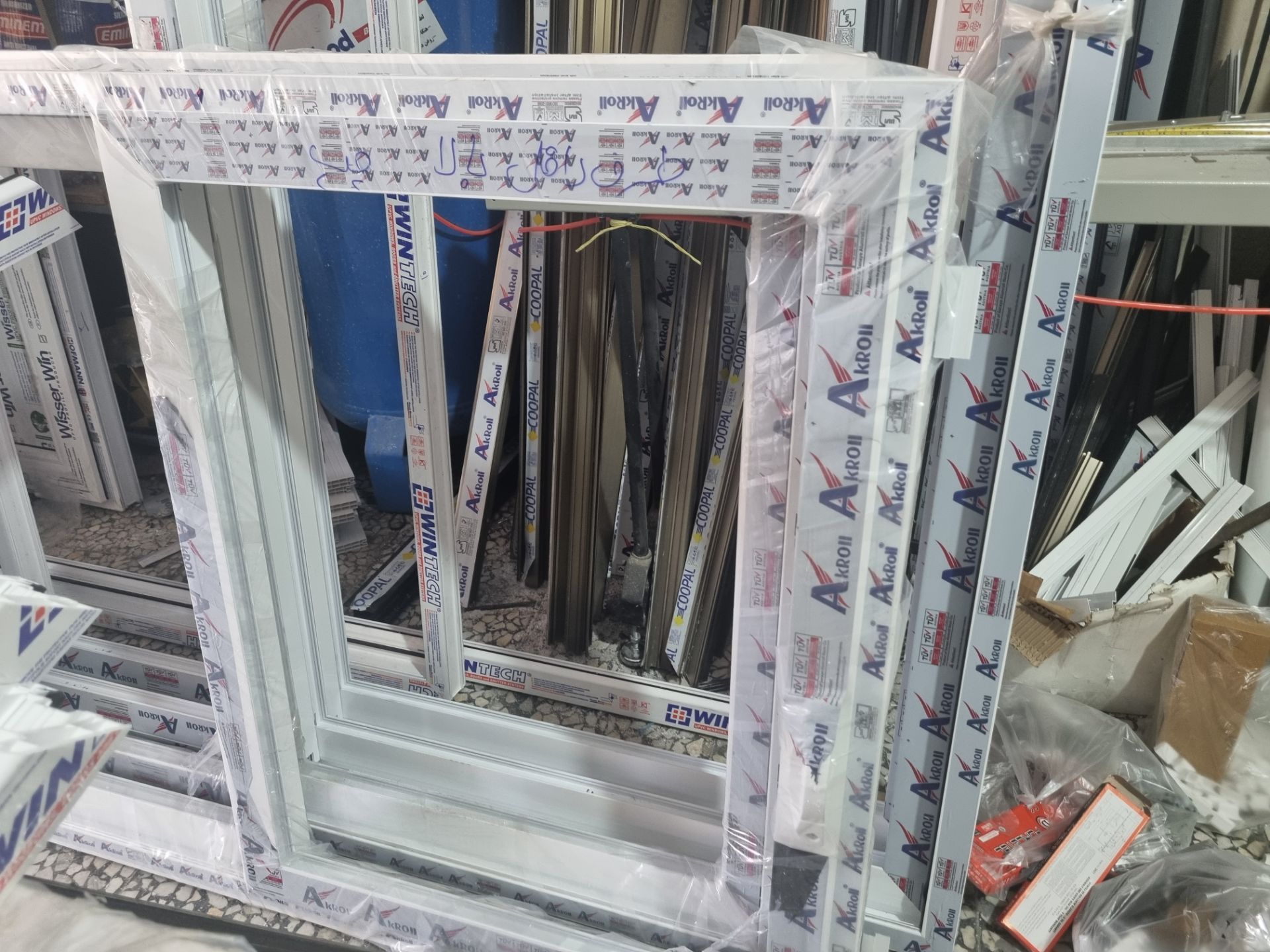
Aluminium profiles are a type of extruded material made from aluminium alloys. They are available in a wide range of shapes, sizes, and colors, making them versatile and suitable for different types of building applications. Aluminium profiles can be used in various parts of a building, including doors, windows, façade systems, curtain walls, roofing, and cladding.
One of the key advantages of aluminium profiles in modern design architecture is their lightweight nature. Compared to other traditional building materials like steel, aluminium profiles are significantly lighter. This feature makes them ideal for use in high-rise buildings, where weight is an important consideration. The lightweight nature of aluminium profiles also makes them easier to transport, install and handle during the construction process.
In addition to their lightweight nature, aluminium profiles are also highly durable. The extrusion process that is used to make them results in a material that is resistant to corrosion, weathering, and other forms of damage. This makes aluminium profiles ideal for use in buildings located in harsh environments, such as coastal regions where the air contains high salt content.
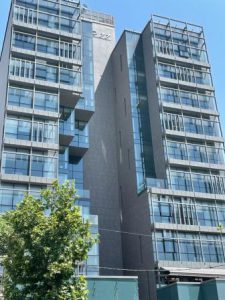
Aluminium profiles are also highly customizable, which is another reason they are widely used in modern design architecture. Manufacturers of aluminium profiles can produce profiles in different shapes, sizes, and finishes, making it easy for architects and builders to achieve specific design goals. Aluminium profiles can also be easily shaped and cut on site, which adds to their versatility in use.
Another advantage of using aluminium profiles in modern design architecture is that they are highly energy-efficient. When used in windows and doors, aluminium profiles can help to improve the energy efficiency of a building by reducing heat loss and energy consumption. Aluminium profiles also have excellent thermal conductivity properties, which means that they can easily dissipate heat, helping to regulate temperature inside the building.
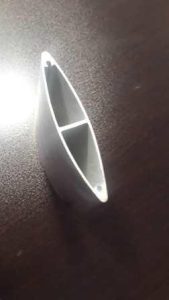
In terms of sustainability, aluminium profiles are an eco-friendly building material. They are 100% recyclable and can be repurposed for various other applications. The production process of aluminium profiles also has a lower carbon footprint compared to other building materials, making them a popular choice for green building projects.
In summary, aluminium profiles are a versatile building material that has numerous benefits in modern design architecture. They are lightweight, durable, customizable, energy-efficient, and eco-friendly. The use of aluminium profiles in building construction has been on the rise due to their numerous advantages, and they are likely to continue being a popular choice for architects and builders in the years to come.
Aluminium profiles are not only functional but also aesthetically pleasing. They come in a variety of colors and finishes, including anodized, powder-coated, and wood-grain finishes, which can complement a building’s design and add to its overall appeal. This feature is especially crucial for modern design architecture, where the visual appeal of a building is an essential consideration.
The extrusion process used to make aluminium profiles allows for precise manufacturing and consistent quality control. This results in profiles that have uniform thickness, precise dimensions, and straightness, which are crucial for ensuring a building’s structural integrity. The high level of precision also makes it easier to install and join aluminium profiles, which can reduce construction time and costs.
Another advantage of using aluminium profiles in modern design architecture is their low maintenance requirements. They do not require painting or frequent cleaning, unlike other materials like wood, which can rot or warp over time. Aluminium profiles are also resistant to pests and insects, making them ideal for use in areas where these are a problem.
Aluminium profiles are also fire-resistant, which is an essential consideration for building construction. They have a high melting point, which makes them ideal for use in fire-rated windows and doors. The fire-resistant properties of aluminium profiles can help prevent the spread of fire in a building, ensuring the safety of occupants and protecting property.
The use of aluminium profiles in modern design architecture has also been influenced by technological advancements. Innovative manufacturing techniques and computer-aided design software have made it easier to produce complex shapes and designs with high precision. This has expanded the possibilities of using aluminium profiles in building construction, allowing architects and builders to create unique and intricate designs.
Conclusion
In conclusion, the use of aluminium profiles in modern design architecture has numerous advantages. They are lightweight, durable, customizable, energy-efficient, eco-friendly, and aesthetically pleasing. The versatility and adaptability of aluminium profiles have made them a popular choice for building construction. The technological advancements in manufacturing and design have expanded the possibilities of using aluminium profiles in building construction, allowing architects and builders to create unique and intricate designs. The use of aluminium profiles is likely to continue being a popular choice for building construction due to their numerous benefits and adaptability to different building applications.
What is modern design architecture Aluminium profile?

Leave A Comment