
Typical curtain wall details

Curtain walls are non-structural systems that are used to cover the exterior of buildings. These systems are composed of a series of vertical and horizontal elements that are designed to support glass or other materials. The purpose of a curtain wall is to create a barrier between the interior and exterior of the building while allowing light to pass through. Curtain walls are typically installed on high-rise buildings, but they can also be used on low-rise structures.
The details of a curtain wall system are critical to its overall performance. The details determine how the system will be installed, how it will perform under different weather conditions, and how it will be maintained over time. In this article, we will explore some of the typical curtain wall details that are used in modern construction.
Vertical Mullions
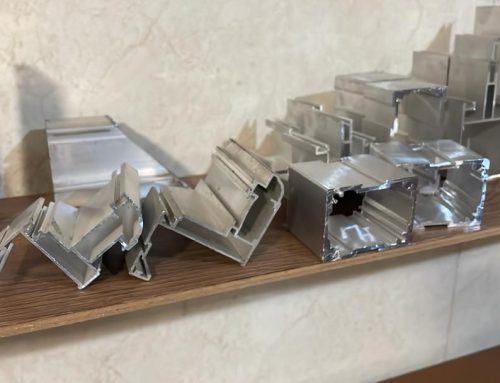
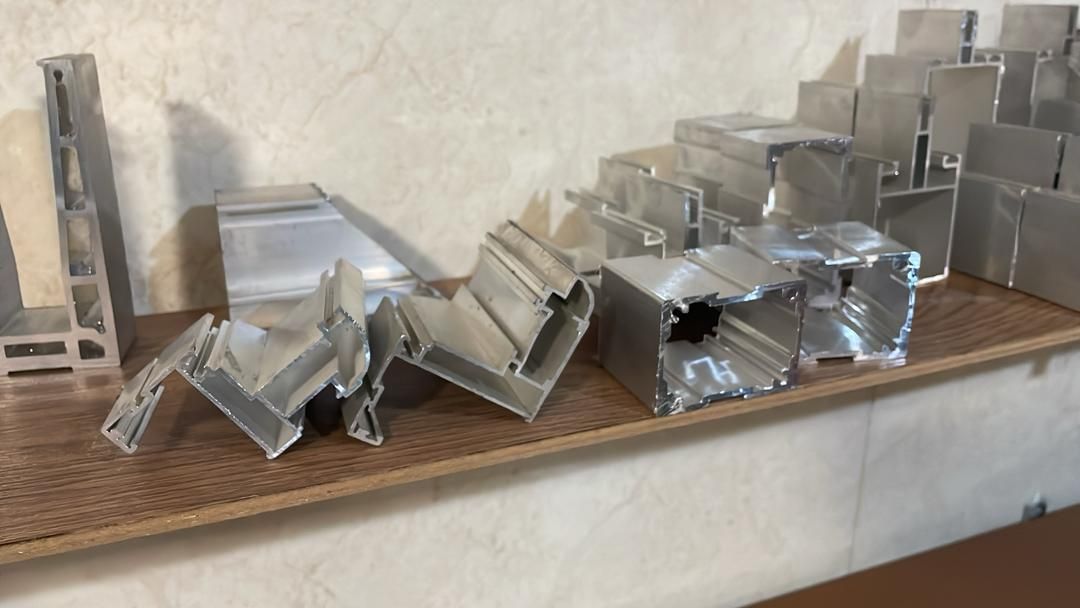
Vertical mullions are the structural members that support the weight of the curtain wall system. Mullions are typically made of aluminum or steel and are designed to withstand wind loads, seismic activity, and other external forces. Mullions can be either single or double-sided depending on the design of the system.

One typical detail of vertical mullions is their attachment to the building structure. Mullions can be attached to the building using a variety of methods, including anchor bolts, welded plates, or clips. The method of attachment will depend on the type of building structure, the location of the mullions, and the load capacity of the system.
Another typical detail of vertical mullions is their connection to the horizontal members. Mullions are typically connected to horizontal members using either a face-sealed or pressure-equalized system. A face-sealed system relies on a continuous seal between the mullion and the horizontal member to prevent water infiltration. A pressure-equalized system, on the other hand, uses a drainage system to evacuate water that may penetrate the seal.
Horizontal Members

Horizontal members are the structural members that support the weight of the glass panels or other cladding materials. These members are typically made of aluminum or steel and are designed to withstand wind loads, seismic activity, and other external forces. Horizontal members can be either extruded or roll-formed, depending on the design of the system.
One typical detail of horizontal members is their connection to the vertical mullions. Horizontal members can be connected to mullions using either a face-sealed or pressure-equalized system. The type of connection will depend on the design of the system and the load capacity of the components.
Another typical detail of horizontal members is their connection to the building structure. Horizontal members can be attached to the building using a variety of methods, including anchor bolts, welded plates, or clips. The method of attachment will depend on the type of building structure, the location of the horizontal members, and the load capacity of the system.
Glazing
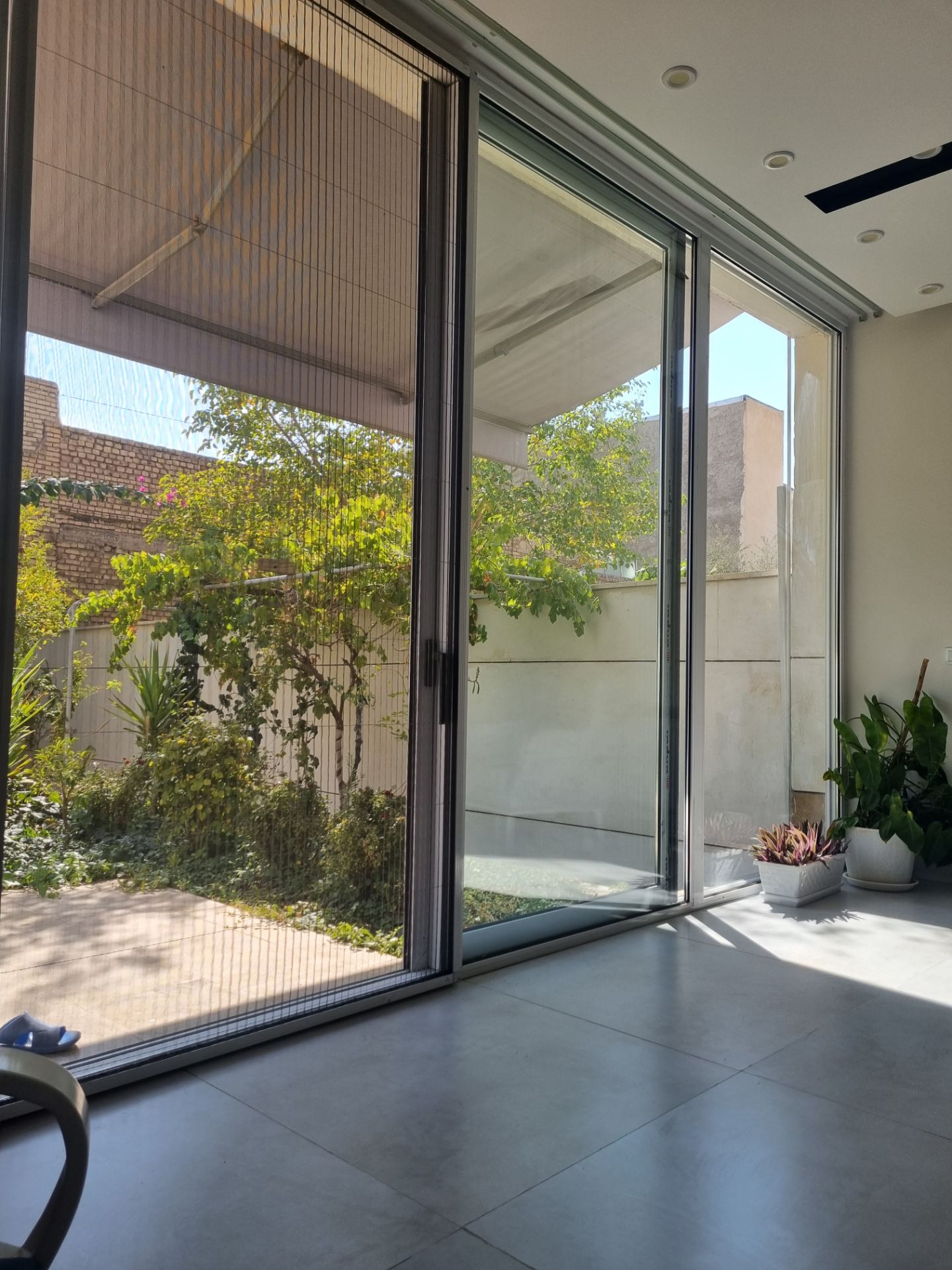
The glazing is the glass panels or other cladding materials that are installed in the curtain wall system. The type of glazing used will depend on the design of the system, the performance requirements, and the budget. The most common types of glazing used in curtain walls include tempered glass, laminated glass, insulated glass, and reflective glass.
One typical detail of glazing is the size and shape of the panels. Glass panels can be either monolithic or laminated, depending on the design of the system. Monolithic glass panels are typically used in low-rise buildings, while laminated glass panels are used in high-rise buildings. The size and shape of the panels will depend on the design of the system and the performance requirements.
Another typical detail of glazing is the method of attachment to the system. Glass panels can be attached to the system using a variety of methods, including structural silicone glazing, mechanical clips, or pressure plates. The method of attachment will depend on the type of glazing used of the article.
Weather Barrier
The weather barrier is a critical component of the curtain wall system that is responsible for preventing water infiltration and air leakage. The weather barrier is typically located behind the curtain wall system and is composed of a variety of materials, including insulation, air barriers, and waterproof membranes.
One typical detail of the weather barrier is its location and attachment to the building structure. The weather barrier is typically attached to the building structure using a variety of methods, including screws, adhesive, or mechanical fasteners. The method of attachment will depend on the type of building structure and the load capacity of the system.
Another typical detail of the weather barrier is its compatibility with the curtain wall system. The weather barrier must be compatible with the curtain wall system to prevent water infiltration and air leakage. The compatibility will depend on the type of materials used in the weather barrier and the design of the system.
Accessories
Accessories are the additional components that are used to enhance the performance and appearance of the curtain wall system. These components include sunshades, louvers, and fins. Sunshades are used to reduce the amount of sunlight entering the building, while louvers and fins are used to provide additional support to the curtain wall system.
One typical detail of accessories is their attachment to the curtain wall system. Accessories can be attached to the system using a variety of methods, including screws, bolts, or adhesive. The method of attachment will depend on the type of accessory and the design of the system.
Another typical detail of accessories is their compatibility with the curtain wall system. The accessories must be compatible with the curtain wall system to prevent water infiltration and air leakage. The compatibility will depend on the type of materials used in the accessories and the design of the system.
Maintenance
Maintenance is a critical aspect of the curtain wall system that is often overlooked during the design and installation process. Proper maintenance is essential to ensure the long-term performance and durability of the system. The maintenance of the curtain wall system includes regular cleaning, inspection, and repair.
One typical detail of maintenance is the accessibility of the curtain wall system. The system must be easily accessible to allow for regular cleaning and inspection. The accessibility will depend on the design of the system and the location of the building.
Another typical detail of maintenance is the frequency of inspections and repairs. The curtain wall system should be inspected and repaired on a regular basis to prevent water infiltration and air leakage. The frequency of inspections and repairs will depend on the type of building, the location of the system, and the weather conditions.
Conclusion
In conclusion, the details of a curtain wall system are critical to its overall performance. The vertical and horizontal mullions, glazing, weather barrier, and accessories are all important components of the system that must be carefully designed and installed. Proper maintenance is also essential to ensure the long-term performance and durability of the system. By paying close attention to the details of the system, architects and engineers can create curtain walls that are not only aesthetically pleasing but also functional and durable.
Furthermore, as curtain walls continue to be a popular design choice for modern buildings, the importance of understanding typical details cannot be overstated. With a variety of materials and technologies available, the details of a curtain wall system can vary significantly depending on the specific project requirements. However, understanding the typical details and components can serve as a solid foundation for designing and installing high-performing systems.
It is also important to note that curtain wall systems are subject to various environmental factors, such as wind and rain. As such, it is imperative to design systems that are able to withstand these forces and prevent water infiltration and air leakage. In addition, proper maintenance is critical in ensuring the system remains functional over time.
In conclusion, the details of a curtain wall system play a vital role in its overall performance. A carefully designed and installed system, with attention paid to the vertical and horizontal mullions, glazing, weather barrier, and accessories, can provide both aesthetic appeal and functional durability. Understanding typical details and their importance can help architects and engineers create curtain walls that meet the needs of modern buildings while ensuring long-term performance and sustainability.

Leave A Comment