
Types curtain wall systems
Curtain walls are an essential component in modern architectural design, providing functionality, energy efficiency, and aesthetic appeal. Curtain wall systems are used in building facades to create an exterior envelope that can withstand environmental elements such as wind, rain, and sun while providing thermal insulation and soundproofing. There are several types of curtain wall systems, each with its unique features and advantages. This article will explore different types of curtain wall systems in detail.
-
Stick-Built Curtain Wall System
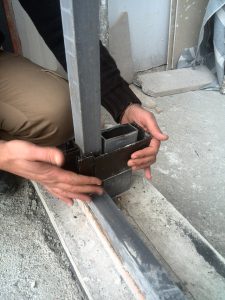
The stick-built curtain wall system is one of the oldest and most traditional types of curtain wall systems. It involves the installation of mullions, transoms, and glass panels, one by one, on-site. The process starts with the installation of mullions, which are the vertical bars that form the grid of the curtain wall. Transoms, which are horizontal bars, are then installed to form the top and bottom of each panel. Finally, the glass panels are inserted into the grid.
The stick-built curtain wall system offers flexibility in design since it can be customized to fit any shape or size of the building. It is also easy to replace any damaged or broken panels without disrupting the entire system. However, the installation process is labor-intensive, time-consuming, and requires a high level of skill. It is also more expensive than other types of curtain wall systems.
-
Unitized Curtain Wall System
The unitized curtain wall system involves prefabricating large panels off-site and then assembling them on-site. Each panel contains the mullions, transoms, and glass panels. The panels are then transported to the construction site and installed using a crane. The unitized curtain wall system is faster to install than the stick-built system, and it requires less skilled labor.
The unitized curtain wall system is suitable for buildings with repetitive floor plans, such as hotels and apartments. It is also suitable for buildings with limited space on-site, where off-site prefabrication is necessary. The system also provides excellent weather protection and thermal insulation, reducing energy consumption and increasing the building’s energy efficiency. However, customization is limited, and the panels must fit the building’s dimensions precisely.
-
Semi-Unitized Curtain Wall System
The semi-unitized curtain wall system is a combination of the stick-built and unitized systems. The system involves the prefabrication of the vertical mullions and transoms off-site and the installation of glass panels on-site. The preassembled mullions and transoms are then shipped to the construction site and installed as a unit, similar to the unitized system.
The semi-unitized curtain wall system offers the flexibility of the stick-built system while providing the speed and ease of installation of the unitized system. The system is also cost-effective and requires less skilled labor. However, the system’s customization is limited, and the preassembled components must fit precisely with the on-site installation of glass panels.
-
Structural Glazing Curtain Wall System
The structural glazing curtain wall system is a modern and innovative curtain wall system that involves the use of high-strength adhesive to attach glass panels to the building’s structure. The system does not require any visible frame or support, creating a seamless and uninterrupted view of the exterior. The glass panels are attached to the building’s structure using a structural silicone adhesive, which provides a strong and durable bond.
The structural glazing curtain wall system offers a sleek and minimalist design, providing unobstructed views of the surrounding environment. The system also provides excellent thermal insulation and weather protection, reducing energy consumption and increasing the building’s energy efficiency. However, the system requires specialized installation techniques and skilled labor, making it more expensive than other curtain wall systems.
-
Point Supported Curtain Wall System
The point supported curtain wall system involves the use of small metal brackets or spider fittings to support the glass panels, creating a modern and sleek appearance. The brackets are attached to the building’s structure, and the glass panels are suspended from the brackets using tension cables or bolts.
The point supported curtain wall system provides maximum transparency and unobstructed views, creating an impressive visual effect. The system is also highly customizable, allowing architects to create unique designs that suit the building’s aesthetic. The system also provides excellent thermal insulation and weather protection, reducing energy consumption and increasing the building’s energy efficiency. However, the system requires specialized installation techniques and skilled labor, making it more expensive than other curtain wall systems.
-
Cable Net Curtain Wall System
The cable net curtain wall system involves the use of a cable net structure to support the glass panels. The system involves a network of cables that are attached to the building’s structure and create a grid-like structure. The glass panels are then inserted into the grid, creating a modern and unique appearance.
The cable net curtain wall system offers a high level of customization, allowing architects to create unique designs that suit the building’s aesthetic. The system also provides excellent thermal insulation and weather protection, reducing energy consumption and increasing the building’s energy efficiency. However, the system requires specialized installation techniques and skilled labor, making it more expensive than other curtain wall systems.
Conclusion
In conclusion, curtain wall systems are an essential component in modern architectural design, providing functionality, energy efficiency, and aesthetic appeal. There are several types of curtain wall systems, each with its unique features and advantages. The choice of curtain wall system depends on several factors, including the building’s design, location, and budget. Architects and builders must carefully consider the advantages and disadvantages of each curtain wall system before choosing the most suitable one for their project.
When designing and selecting a curtain wall system, it is essential to consider factors such as wind loads, thermal insulation, and acoustic insulation. Wind loads can vary depending on the building’s location and exposure to the elements, while thermal insulation and acoustic insulation are crucial for energy efficiency and noise reduction.
Additionally, sustainability is an increasingly important factor when selecting a curtain wall system. Green building certifications such as LEED (Leadership in Energy and Environmental Design) and BREEAM (Building Research Establishment Environmental Assessment Method) require buildings to meet specific sustainability criteria. The use of energy-efficient materials, such as low-e glass and insulated glazing units, can help improve a building’s energy efficiency and reduce its carbon footprint.
Overall, curtain wall systems are an integral part of modern architectural design, providing functional and aesthetic benefits. The type of curtain wall system chosen will depend on the building’s design, location, and budget, as well as the desired level of customization and sustainability. By carefully considering these factors and selecting the most appropriate curtain wall system, architects and builders can create visually striking and energy-efficient buildings that meet the needs of their clients and the environment.

Leave A Comment