
The Role of Aluminum Profiles in Curtain Wall and Frameless Facade Systems
The Role of Aluminum Profiles in Curtain Wall and Frameless Facade Systems In modern architecture, the integration of advanced materials and innovative building systems has significantly transformed the construction industry. Among the many advancements, aluminum profiles play a pivotal role in the design and installation of curtain wall and frameless facade systems. These systems have become a staple in commercial, residential, and high-rise buildings due to their aesthetic appeal, durability, and energy efficiency. This article explores the essential role of aluminum profiles in curtain wall and frameless facade systems, highlighting their advantages, applications, and the factors that make aluminum the material of choice for modern facades.
Introduction to Curtain Wall and Frameless Facade Systems
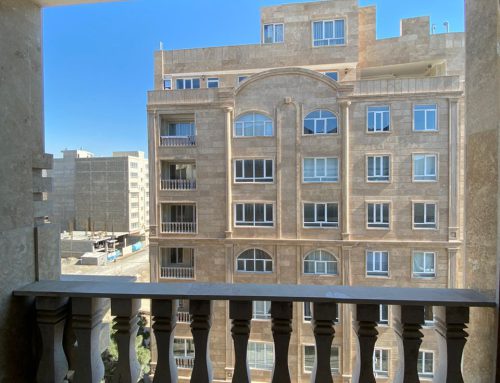
A curtain wall is a non-structural exterior covering of a building that is designed to resist the elements, provide insulation, and enhance the aesthetic appearance of the building. It typically consists of lightweight materials like glass, aluminum, and steel, which are supported by a frame. Curtain walls are commonly seen in high-rise buildings, office towers, and modern residential complexes, where they allow for large glass panels to be used in the building’s exterior while providing structural support and thermal insulation.
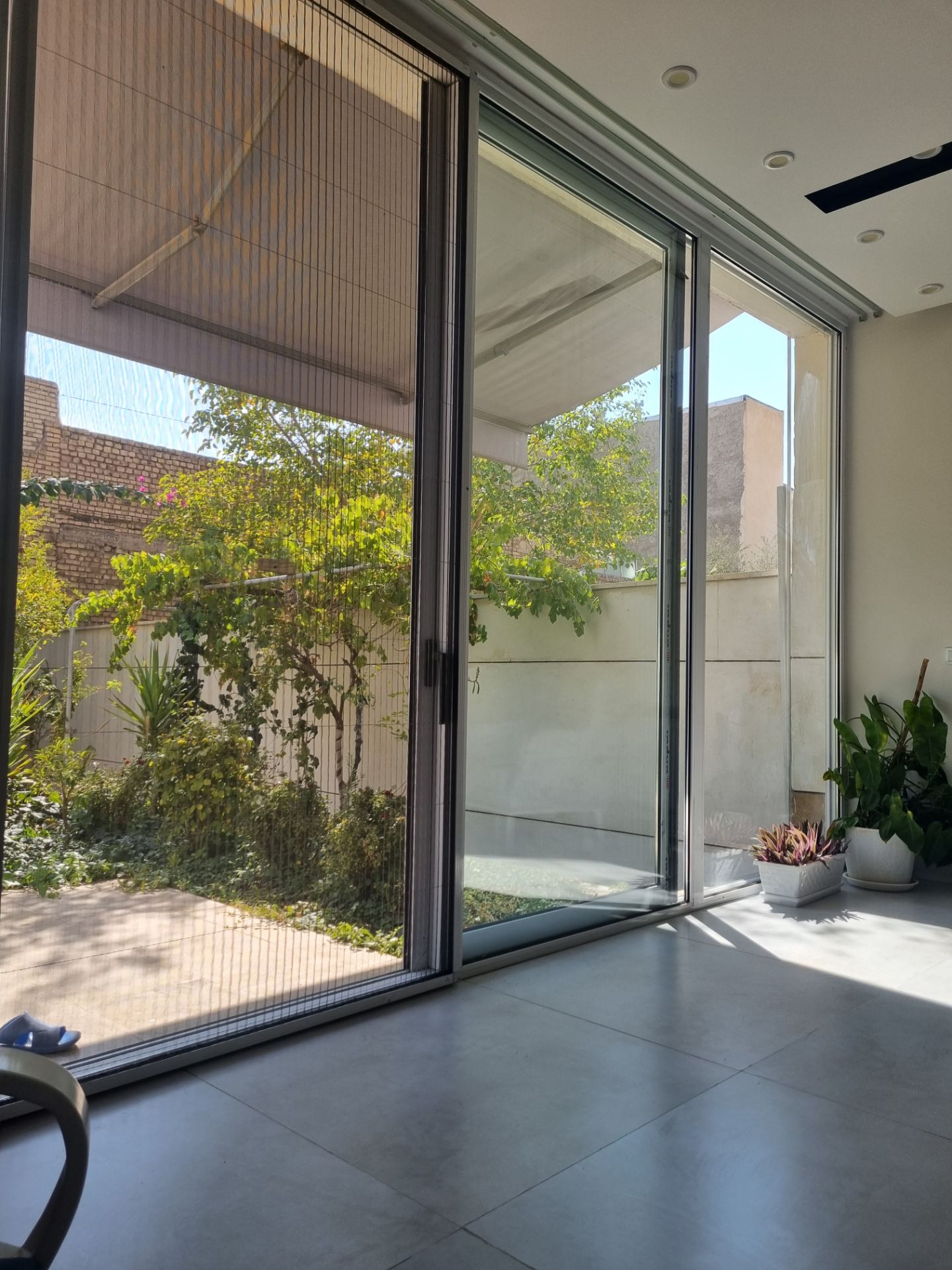
On the other hand, a frameless facade system is a minimalistic design that emphasizes sleek, uninterrupted surfaces. The frame structure is hidden, and only the glass or other finishing materials are visible. Frameless facades offer a modern, stylish look and are typically used in luxury buildings, commercial spaces, and iconic architecture. Both systems rely heavily on the use of aluminum profiles, which provide the necessary structural integrity, weather resistance, and design flexibility.
Why Aluminum? The Material of Choice for Facade Systems
Aluminum has become the material of choice for both curtain wall and frameless facade systems due to its unique combination of properties. These include its strength, lightweight nature, resistance to corrosion, versatility in design, and energy efficiency. Let’s explore these characteristics in more detail:
- Lightweight and Strong One of the key advantages of aluminum is its lightweight nature, which makes it easy to handle and install. Despite being light, aluminum is incredibly strong and can support heavy glass panels or other facade materials without compromising the integrity of the building. This makes aluminum an ideal material for high-rise buildings where the structure needs to support a large number of floors and windows.
- Corrosion Resistance Aluminum naturally forms an oxide layer when exposed to air, which protects it from rust and corrosion. This makes it highly durable and able to withstand harsh weather conditions, especially in regions with high humidity or coastal areas where buildings are exposed to saltwater. The corrosion resistance of aluminum ensures that the facade systems remain intact and aesthetically pleasing over time, with minimal maintenance required.
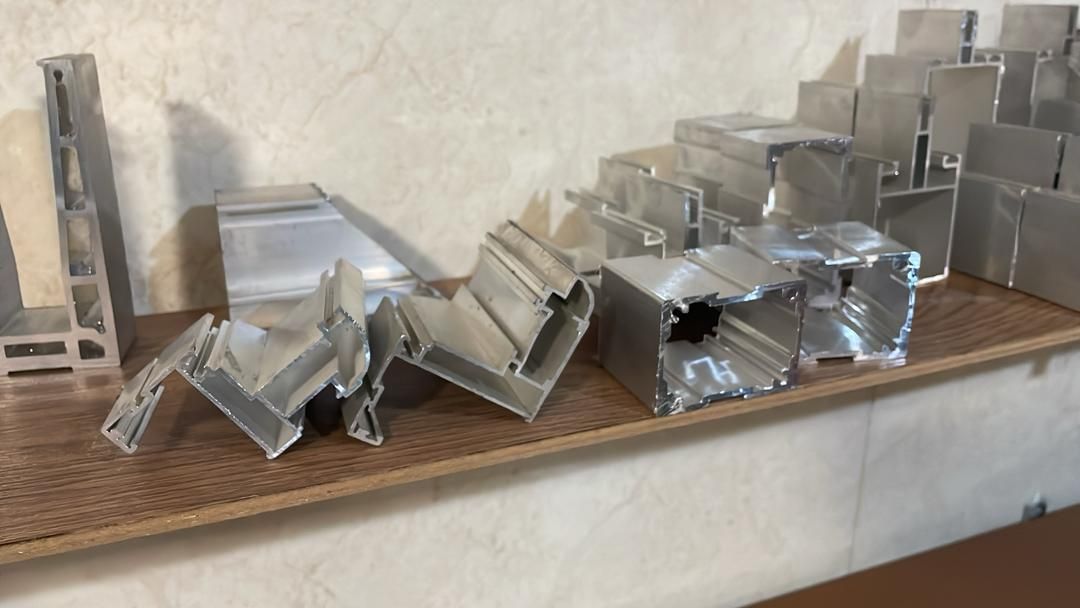
- Design Flexibility Aluminum profiles are highly versatile and can be extruded into various shapes and sizes to meet specific design requirements. This flexibility allows architects and designers to create unique, custom facades that fit the building’s architectural style. Whether the design calls for straight lines, curves, or angular shapes, aluminum can be molded to match the desired vision.
- Energy Efficiency Aluminum is an excellent conductor of heat, which is why it is often used in combination with thermal break technology. Thermal break aluminum profiles feature a non-metallic barrier that reduces heat transfer, enhancing the energy efficiency of the building. This means that buildings with aluminum curtain walls or frameless facades are better able to maintain consistent internal temperatures, reducing the need for heating or cooling and lowering energy costs.
- Sustainability Another important consideration for modern construction is sustainability, and aluminum meets this demand. Aluminum is 100% recyclable, making it an environmentally friendly material choice. Recycling aluminum requires only a fraction of the energy needed to produce new aluminum, which reduces the overall carbon footprint of building projects. Moreover, the long lifespan and minimal maintenance needs of aluminum profiles contribute to the sustainability of the building.
Aluminum Profiles in Curtain Wall Systems
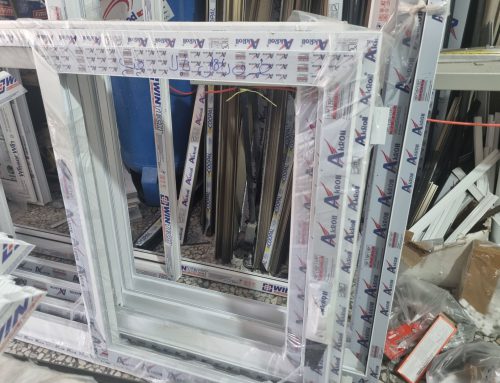
In curtain wall systems, aluminum profiles serve as the framework that holds the glazing, insulating materials, and other facade elements in place. These profiles are designed to ensure the stability of the facade while providing a sleek, modern appearance. The primary functions of aluminum profiles in curtain wall systems include:
- Structural Support The aluminum profiles form the skeleton of the curtain wall, supporting the glass panels and any other materials used in the facade system. They are designed to carry the weight of the materials while withstanding external forces like wind pressure, thermal expansion, and seismic activity.
- Weather Resistance Aluminum profiles are engineered to prevent water infiltration and air leakage. They are sealed with gaskets and weatherstripping to ensure that the curtain wall system remains watertight and energy efficient. This feature is particularly important in climates that experience heavy rainfall or extreme temperatures.
- Aesthetic Appeal Aluminum profiles offer clean lines and a sleek, minimalistic appearance that complements modern architectural designs. The profiles can be finished in various colors, textures, and coatings, such as anodized finishes or powder coating, to suit the building’s aesthetic. The result is a visually appealing facade that enhances the overall appearance of the building.
- Thermal Insulation Thermal breaks within the aluminum profiles are essential for reducing heat transfer through the curtain wall system. By minimizing heat loss in winter and reducing heat gain in summer, aluminum profiles contribute to the building’s overall energy efficiency, ensuring that occupants remain comfortable while keeping energy consumption low.
Aluminum Profiles in Frameless Facade Systems
Frameless facades present a more minimalist approach to building design, often using large glass panels that are supported by a concealed aluminum framework. The role of aluminum profiles in frameless systems is equally critical, as they ensure the integrity, safety, and performance of the facade. In these systems, aluminum profiles perform several key functions:
- Invisible Structural Support In a frameless facade, the aluminum profile is typically hidden from view, allowing the glass panels to dominate the aesthetic. However, these profiles still serve as the main support structure for the panels. They provide the strength needed to hold the glass in place while ensuring the system remains secure.
- Weatherproofing Although the framing is not visible, aluminum profiles in frameless systems still require weatherproofing capabilities. The profiles are designed to keep moisture and air from entering the building, which helps maintain a comfortable indoor environment and protects the structure from water damage.
- Seamless Integration Frameless facades require highly precise engineering to ensure that the aluminum profiles fit perfectly with the glass panels. This creates a seamless transition between the building’s exterior and interior. Aluminum profiles also allow for the use of larger glass panels without compromising the overall stability of the structure.
Challenges and Considerations in Using Aluminum Profiles for Facades
While aluminum profiles offer many advantages, there are also some challenges and considerations that need to be addressed when using them in curtain wall and frameless facade systems:
- Cost Aluminum is generally more expensive than other materials such as steel or PVC, and the initial cost of installing a curtain wall or frameless facade can be higher. However, this cost is often justified by the material’s longevity, low maintenance, and energy efficiency, which provide long-term savings.
- Maintenance Although aluminum is resistant to corrosion and requires minimal maintenance, it is important to regularly clean the facade to maintain its aesthetic appeal. The aluminum profiles can accumulate dirt and pollutants over time, which may impact the appearance of the building.
- Thermal Expansion Aluminum is a metal, and like all metals, it expands and contracts with changes in temperature. This means that the aluminum profiles need to be designed with adequate allowances for thermal expansion to prevent damage to the facade system over time.
Conclusion
Aluminum profiles are indispensable in modern curtain wall and frameless facade systems. Their lightweight, durable, and versatile nature makes them ideal for creating aesthetically pleasing and energy-efficient building exteriors. As the demand for sustainable, high-performance buildings increases, aluminum will continue to be a material of choice for architects and builders looking to create innovative and functional facade systems. By combining the strengths of aluminum with cutting-edge design, these systems not only enhance the visual appeal of buildings but also contribute to energy savings, longevity, and environmental sustainability.

Leave A Comment