
The most suitable price for the implementation of the curtain wall facade by professional installers
Introduction:
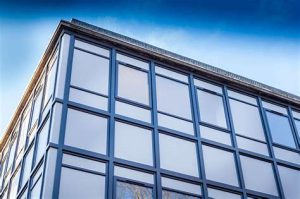
The most suitable price for the implementation of the curtain wall facade by professional installers ,Curtain wall facade installation is a critical aspect of modern architectural design, providing aesthetic appeal, energy efficiency, and structural integrity to buildings. When it comes to implementing such a complex system, finding the right price point is crucial. While cost-effectiveness is important, compromising on quality or expertise can lead to long-term issues and higher expenses. Therefore, understanding the factors influencing the price of curtain wall facade installation by professional installers is essential for both architects and building owners.
Factors Influencing Pricing:
- Complexity of Design: The intricacy of the curtain wall design significantly impacts the installation cost. Complex designs with irregular shapes, varying materials, and intricate detailing require more time, labor, and expertise, thus commanding a higher price.
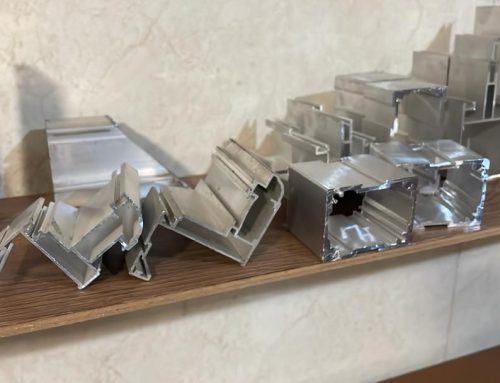
- Material Selection: The choice of materials, such as glass, aluminum, steel, or composite panels, directly influences the cost. High-quality materials often come with a higher price tag but offer better durability, thermal performance, and aesthetics, contributing to the overall value of the installation.
- Site Conditions: Factors like building height, accessibility, location, and existing structural conditions affect the complexity and cost of installation. Projects in urban areas or sites with limited access may require specialized equipment or additional safety measures, leading to higher installation costs.
- Engineering and Design Services: Professional installers typically offer engineering and design support, including structural analysis, detailing, and customization. These services ensure the curtain wall system meets building codes, performance standards, and architectural requirements but may add to the overall project cost.
- Installation Expertise: Experienced installers with a proven track record in curtain wall installation command higher fees due to their expertise, efficiency, and attention to detail. While opting for cheaper labor may seem economical initially, it can result in subpar installation quality and potential rework costs in the future.
Determining the Suitable Price:
- Comprehensive Project Assessment: Before soliciting bids from installers, architects and building owners should conduct a thorough assessment of the project requirements, including design specifications, material preferences, site conditions, and budget constraints.
- Request Multiple Bids: Obtaining multiple bids from reputable installers allows for a comparative analysis of pricing, services offered, and project timelines. However, it’s essential to prioritize quality and expertise over the lowest bid to ensure a successful outcome.
- Consider Long-Term Value: While upfront costs are important, it’s crucial to consider the long-term value of the investment. Opting for a slightly higher price from a reputable installer can provide peace of mind, minimize maintenance expenses, and enhance the building’s overall performance and aesthetics.
- Negotiate and Clarify Terms: Negotiating pricing and clarifying the scope of work, warranties, and payment terms with the selected installer can help ensure transparency and avoid misunderstandings during the project execution phase.
- Review Past Projects: Reviewing past projects completed by the chosen installer can provide insight into their quality of work, adherence to timelines, and client satisfaction levels. Requesting references and visiting completed sites can help validate the installer’s capabilities and ensure confidence in their ability to deliver.
- Account for Contingencies: Building contingencies into the budget is essential to account for unforeseen challenges or changes during the installation process. Factors such as inclement weather, site modifications, or material delays can impact project timelines and costs. Having a buffer ensures that any unexpected expenses can be managed without compromising the quality of the installation.
- Emphasize Communication and Collaboration: Open communication and collaboration between architects, installers, and building owners are vital for the success of the project. Regular progress updates, meetings, and a clear channel for addressing concerns or changes help mitigate misunderstandings and ensure alignment throughout the installation process.
- Evaluate Post-Installation Support: Inquire about post-installation support and maintenance services offered by the installer. A reputable company should provide warranties, maintenance plans, and responsive customer support to address any issues or concerns that may arise after the installation is complete.
- Prioritize Sustainability: Consider incorporating sustainable practices and materials into the curtain wall facade design to enhance energy efficiency, reduce environmental impact, and achieve long-term cost savings. Many installers offer eco-friendly options and expertise in sustainable building practices to align with green building standards and objectives.
- Long-Term Investment Perspective: While the initial cost of curtain wall facade installation may seem significant, it is essential to view it as a long-term investment in the value and performance of the building. A well-executed installation by professional installers can enhance the building’s aesthetics, functionality, and marketability, contributing to its overall value over time.
- Regulatory Compliance: Compliance with local building codes, regulations, and safety standards is non-negotiable in any construction project, including curtain wall facade installation. Professional installers should have a comprehensive understanding of relevant regulations and ensure that the installation meets all required standards. Failure to comply can lead to costly delays, fines, or even legal repercussions, underscoring the importance of working with reputable and knowledgeable installers.
- Financial Planning and Budgeting: Effective financial planning and budgeting are essential aspects of any construction project. Building owners should allocate adequate funds for curtain wall facade installation, considering not only the upfront costs but also ongoing maintenance and potential lifecycle expenses. Engaging in thorough cost-benefit analysis and consulting with financial experts can help ensure that the budget aligns with the project’s goals and objectives.
- Project Management: Effective project management is critical to the success of curtain wall facade installation. Assigning a dedicated project manager to oversee the installation process, coordinate with various stakeholders, and address any issues that arise is essential for keeping the project on track and within budget. Clear communication channels, milestone tracking, and regular progress reports facilitate efficient project management and ensure timely completion.
- Quality Assurance and Testing: Prioritizing quality assurance and testing throughout the installation process is paramount to ensure the structural integrity, performance, and safety of the curtain wall facade. Professional installers should conduct rigorous quality checks, including material inspections, weatherproofing tests, and structural integrity assessments, to identify and rectify any deficiencies before finalizing the installation. Additionally, third-party certification or inspection may be beneficial to provide independent validation of the installation’s quality and compliance with industry standards.
- Continuous Improvement: Building owners should view curtain wall facade installation as an opportunity for continuous improvement and innovation. Engaging in post-installation reviews, gathering feedback from stakeholders, and evaluating the performance of the installation over time can identify areas for enhancement and inform future projects. By embracing a culture of continuous improvement, building owners can optimize the value, efficiency, and sustainability of their built environment.
- Community and Stakeholder Engagement: Engaging with local communities and relevant stakeholders throughout the curtain wall facade installation process can foster positive relationships and address any concerns or considerations. Open dialogue, transparency, and proactive communication regarding the project’s impacts, benefits, and timeline help build trust and mitigate potential conflicts. Additionally, soliciting input from end-users, occupants, and neighboring properties can provide valuable insights and ensure that the installation aligns with their needs and preferences.
- Risk Management: Identifying and mitigating potential risks associated with curtain wall facade installation is essential for minimizing disruptions, delays, and cost overruns. Professional installers should conduct thorough risk assessments, including factors such as weather-related risks, supply chain disruptions, and labor shortages, and develop contingency plans to address unforeseen challenges. Collaborating with experienced contractors and suppliers and maintaining open lines of communication can help proactively manage risks and ensure project success.
- Building Resilience and Adaptability: Incorporating resilience and adaptability principles into curtain wall facade design and installation can enhance the building’s ability to withstand changing environmental conditions, technological advancements, and evolving user needs. Designing for flexibility, modularity, and future adaptability allows the facade to accommodate potential modifications or upgrades over time, extending its lifespan and value. Professional installers with expertise in resilient design practices can offer valuable insights and recommendations to optimize the facade’s performance and longevity.
- Monitoring and Performance Evaluation: Implementing a robust monitoring and performance evaluation framework post-installation enables building owners to assess the curtain wall facade’s performance, energy efficiency, and durability over time. Utilizing building automation systems, sensors, and data analytics tools can provide real-time insights into the facade’s operational efficiency, identify potential issues or inefficiencies, and inform optimization strategies. Regular performance evaluations and maintenance checks conducted by professional installers help ensure that the facade continues to meet performance standards and deliver long-term value.
- Knowledge Sharing and Industry Collaboration: Promoting knowledge sharing and collaboration within the construction industry fosters innovation, best practices, and continuous improvement in curtain wall facade design and installation. Participating in industry forums, conferences, and collaborative initiatives enables professionals to exchange ideas, share lessons learned, and stay abreast of emerging trends, technologies, and regulations. By leveraging collective expertise and experience, the industry can drive advancements in curtain wall facade installation techniques, materials, and sustainability practices, ultimately delivering better outcomes for buildings and communities.
In summary, achieving the most suitable price for curtain wall facade installation by professional installers requires a holistic approach that encompasses community engagement, risk management, resilience, performance evaluation, and industry collaboration. By prioritizing sustainability, innovation, and stakeholder engagement throughout the installation process, architects, building owners, and installers can create buildings with enduring value, resilience, and functionality, contributing to a more sustainable and resilient built environment for future generations, The most suitable price for the implementation of the curtain wall facade by professional installers.


Leave A Comment