
The most suitable price for curtain wall facade
Introduction:
The most suitable price for curtain wall facade ,Curtain wall facades have become a hallmark of modern architecture, offering sleek aesthetics, energy efficiency, and structural integrity to buildings. As the demand for sustainable and visually appealing structures continues to rise, the question of determining the most suitable price for curtain wall facades becomes paramount. Finding the right balance between cost and quality is crucial for architects, developers, and contractors alike. In this article, we explore the factors influencing the pricing of curtain wall facades and strategies for identifying the optimal price point.
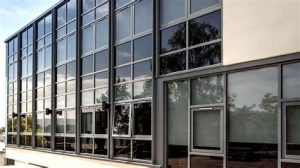
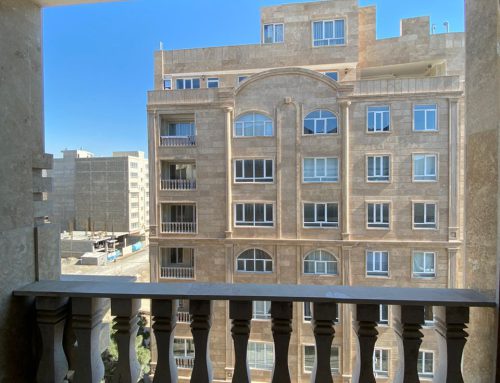
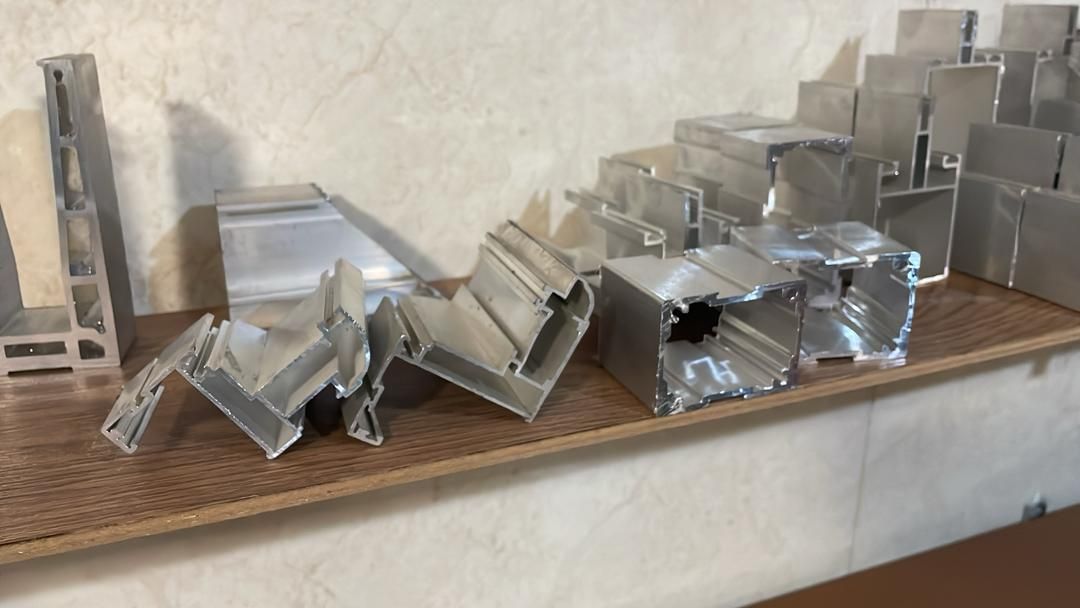
Understanding Curtain Wall Facades: Curtain wall facades are non-structural, lightweight cladding systems typically made of aluminum frames with glass or metal panels. They serve as the outer skin of buildings, providing weather protection, thermal insulation, and aesthetic appeal. These systems are customizable and can be tailored to meet the specific design requirements of each project, ranging from simple geometric patterns to complex shapes.
Factors Influencing Pricing:
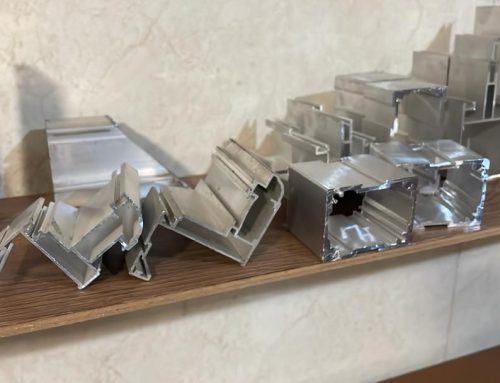
- Material Quality: The choice of materials significantly impacts the cost of curtain wall facades. High-quality glass, aluminum, and steel components command a premium price due to their durability, performance, and aesthetic properties.
- Design Complexity: The intricacy of the design plays a crucial role in determining the cost of curtain wall systems. Complex shapes, custom finishes, and innovative features require more labor and specialized manufacturing processes, driving up the overall price.
- Engineering Requirements: Structural considerations, such as wind load resistance, seismic performance, and thermal efficiency, influence the engineering and fabrication of curtain wall facades. Meeting stringent building codes and performance standards may entail additional costs.
- Installation Complexity: The installation process for curtain wall systems can be labor-intensive, especially for high-rise buildings or projects with challenging site conditions. Factors such as access, logistics, and coordination with other trades affect the installation cost.
- Project Scale: Economies of scale can impact the pricing of curtain wall facades. Larger projects with higher volumes of materials tend to benefit from bulk discounts and streamlined production processes, resulting in lower unit costs.
Strategies for Identifying the Optimal Price Point:
- Define Project Requirements: Clearly articulate the design, performance, and budgetary constraints of the project to establish realistic expectations and priorities.
- Conduct Comparative Analysis: Evaluate multiple suppliers and contractors to compare pricing, product offerings, and past performance. Request detailed quotations and specifications to make informed decisions.
- Value Engineering: Collaborate with architects, engineers, and suppliers to explore cost-saving opportunities without compromising on quality or performance. Consider alternative materials, fabrication techniques, or installation methods to optimize the cost-effectiveness of the curtain wall system.
- Negotiate Terms: Engage in negotiations with suppliers and contractors to secure favorable pricing, payment terms, and warranties. Leverage competition and market dynamics to drive down costs while maintaining quality standards.
- Long-Term Considerations: Look beyond the initial purchase price and consider the lifecycle costs of curtain wall facades, including maintenance, repair, and energy consumption. Investing in durable, energy-efficient systems may yield significant savings over time.
- Risk Management: Mitigating potential risks associated with curtain wall facades is crucial for ensuring project success. Assessing supplier reliability, quality control measures, and project timelines can help minimize the likelihood of cost overruns, delays, or performance issues.
- Client Expectations: Aligning the price of curtain wall facades with client expectations is essential for fostering trust and satisfaction. Transparent communication regarding pricing factors, value propositions, and trade-offs enables clients to make informed decisions and manage their budget effectively.
- Regulatory Compliance: Compliance with local building codes, zoning regulations, and environmental standards can impact the cost of curtain wall facades. Factor in any additional requirements or certifications necessary to meet regulatory obligations and ensure project compliance.
- Future Flexibility: Anticipating future changes or adaptations to the building envelope can influence the choice of curtain wall systems and pricing considerations. Designing for flexibility and adaptability
allows for easier retrofitting or modifications down the line, potentially reducing long-term costs.
Continuous Improvement:
As technology advances and industry best practices evolve, staying abreast of innovations in curtain wall design, manufacturing, and installation is essential. Embracing continuous improvement initiatives and investing in research and development can lead to cost efficiencies and performance enhancements over time. In conclusion, determining the most suitable price for curtain wall facades requires a holistic approach that considers various factors, including material quality, design complexity, project scale, and long-term considerations. By adopting strategic decision-making processes, collaborating with stakeholders, and managing risks effectively, architects, developers, and contractors can optimize the value proposition of curtain wall systems while meeting client expectations and regulatory requirements. Finding the right balance between cost and quality is essential for delivering successful projects that enhance the built environment and contribute to sustainable development.

Leave A Comment