
The latest price of the Aluminum louver
As the construction industry continues to evolve, the demand for modern building materials and designs has grown significantly. Aluminum louvers, known for their aesthetic appeal, functionality, and durability, have gained substantial popularity in recent years. Architects and builders alike have recognized the advantages offered by aluminum louvers in terms of ventilation, natural light control, and overall building aesthetics. In this article, we will explore the latest pricing trends and market insights concerning aluminum louvers.
Market Overview
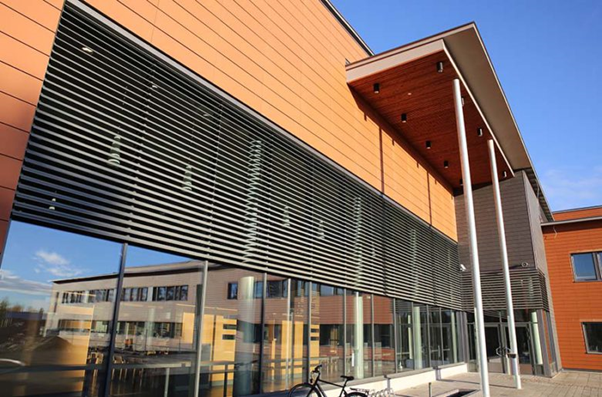
The global aluminum louvers market has witnessed steady growth in recent years, driven by an increasing emphasis on sustainable construction practices and energy efficiency. Aluminum louvers provide an effective solution for optimizing natural light, reducing energy consumption, and maintaining a comfortable indoor environment. Their versatile nature and modern designs have made them a favored choice across various applications, including residential, commercial, and industrial buildings.
Factors Influencing Aluminum Louver Prices
Several factors impact the pricing of aluminum louvers. Understanding these factors is crucial for builders, architects, and buyers to make informed decisions. Here are some key aspects that contribute to the latest pricing trends:
- Raw Material Costs: Aluminum is the primary material used in louvers, and its cost fluctuations have a direct impact on the pricing of finished products. Changes in aluminum prices, driven by factors such as supply and demand dynamics, global market conditions, and trade tariffs, can influence the overall cost of aluminum louvers.
- Design Complexity: Louvers come in a wide range of designs, from basic fixed louvers to adjustable and operable louvers. The complexity of the design, including the number of blades, size, shape, and operational mechanisms, affects the manufacturing process and, subsequently, the final price.
- Size and Customization: The size and customization requirements of aluminum louvers also influence their pricing. Larger-sized louvers or customized designs may involve additional manufacturing processes, material wastage, and engineering considerations, leading to higher costs.
- Finishes and Coatings: Aluminum louvers can be finished with various coatings, such as anodizing, powder coating, or a combination of both. The type and quality of finish chosen by the buyer can impact the price, as premium finishes may involve additional processes and materials.
- Market Competition: The competitiveness within the aluminum louver market plays a significant role in determining prices. The presence of multiple manufacturers, suppliers, and distributors can create pricing variations as businesses strive to differentiate themselves and capture market share.
Pricing Trends and Insights
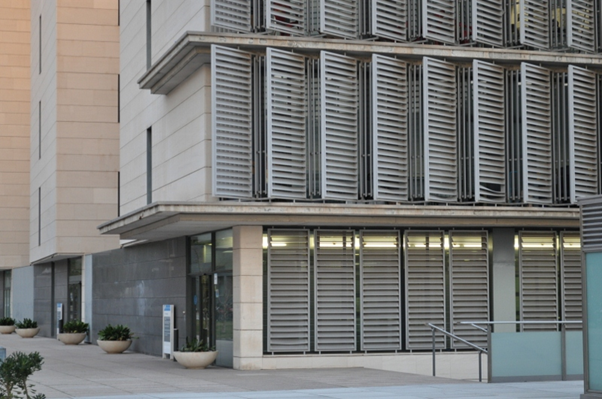
While aluminum prices have experienced some fluctuations in recent years due to global market conditions and trade policies, the overall demand for aluminum louvers has remained strong. However, it is essential to note that prices can vary significantly based on regional factors and individual supplier policies.
To stay updated with the latest prices, builders, architects, and buyers should engage with reputable suppliers and manufacturers who have a track record of delivering quality products. It is also advisable to compare prices from multiple sources and request detailed quotations that clearly outline the factors influencing the final price.
Conclusion
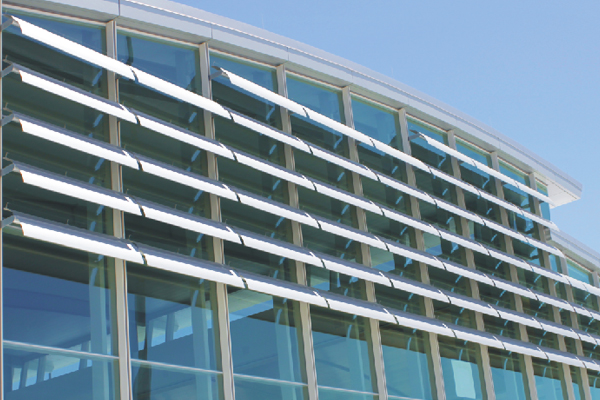
Looking ahead, the future of the aluminum louver market appears promising. The increasing focus on sustainable building practices, energy efficiency, and the integration of natural elements in architectural designs is expected to drive the demand for aluminum louvers. As regulations and standards for green buildings become more stringent, the adoption of aluminum louvers as a sustainable solution is likely to grow.
Furthermore, advancements in technology and manufacturing processes are enabling the production of more intricate and innovative designs. Louvers with adjustable blades, automated systems, and smart controls are gaining popularity as they provide enhanced functionality and convenience. These advancements may influence the pricing of aluminum louvers as they offer added value to customers.
In terms of regional trends, developing economies are witnessing significant growth in the construction sector, leading to increased demand for aluminum louvers. Rapid urbanization, infrastructure development, and commercial projects are driving the need for modern building materials, including aluminum louvers. However, market dynamics, such as local manufacturing capabilities and the availability of raw materials, can impact prices in specific regions.
To make the most of the evolving aluminum louver market, stakeholders should closely monitor industry trends and stay informed about technological advancements and innovative designs. Collaborating with architects and manufacturers at the design stage can help optimize the use of aluminum louvers and ensure the best value for money.
In conclusion, aluminum louvers continue to be a sought-after solution for architects, builders, and property owners seeking both functional and aesthetic benefits. The latest pricing trends for aluminum louvers are influenced by various factors, including raw material costs, design complexity, customization requirements, finishes, coatings, and market competition. By staying informed, engaging with reputable suppliers, and considering key factors affecting pricing, stakeholders can make informed decisions and enhance the overall value and efficiency of their construction projects.

Leave A Comment