The highest quality aluminum in the world
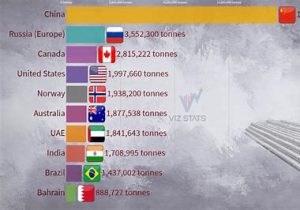
In the realm of industrial materials, aluminum stands out for its versatility, lightweight nature, and resistance to corrosion. However, not all aluminum is created equal. When we talk about the highest quality aluminum in the world, we’re referring to a range of advanced alloys and processes that elevate this metal to its pinnacle of excellence. This article delves into the factors that contribute to the highest quality aluminum, the leading producers, and the applications that demand such superior materials.
Understanding Aluminum Quality
Aluminum quality is typically assessed based on several critical factors:
- Purity: The purity of aluminum is a primary determinant of its quality. High-purity aluminum is typically 99.99% pure, ensuring minimal contamination from other elements. This purity level is essential for applications requiring excellent electrical conductivity and thermal performance.
- Alloy Composition: Aluminum’s properties can be significantly enhanced through alloying. The most common alloying elements include copper, magnesium, manganese, silicon, and zinc. Each alloying element imparts specific characteristics such as increased strength, improved machinability, or better corrosion resistance.
- Processing Techniques: The methods used to process aluminum, including casting, rolling, and extrusion, also impact its quality. Advanced techniques and precise controls during these processes can produce aluminum with superior mechanical properties and surface finishes.
- Mechanical Properties: The highest quality aluminum boasts exceptional mechanical properties, including tensile strength, yield strength, and hardness. These properties are often achieved through sophisticated alloying and heat treatment processes.
- Surface Finish: For many high-end applications, the surface finish of aluminum is crucial. High-quality aluminum often features smooth, blemish-free surfaces that are achieved through advanced finishing techniques.
Leading Producers of High-Quality Aluminum
Several companies around the globe are renowned for producing top-tier aluminum. These manufacturers leverage cutting-edge technology and adhere to stringent quality standards to deliver exceptional products.
- Hydro Aluminium: Based in Norway, Hydro Aluminium is a global leader in aluminum production, known for its high-purity aluminum and innovative alloys. The company focuses on sustainability and advanced processing techniques, making it a top choice for high-quality aluminum.
- Alcoa Corporation: An American multinational, Alcoa has a long history of producing high-quality aluminum products. Their advanced smelting and refining technologies ensure that their aluminum is among the finest in the world.
- RUSAL: This Russian company is one of the largest aluminum producers globally. RUSAL is known for its high-grade aluminum products, achieved through state-of-the-art production methods and rigorous quality control processes.
- Constellium: With a strong presence in Europe and North America, Constellium specializes in high-performance aluminum alloys. Their focus on innovation and precision makes them a key player in the production of premium aluminum materials.
Applications of Premium Aluminum
The highest quality aluminum finds application in various demanding industries, where performance and reliability are paramount:
- Aerospace: In the aerospace sector, aluminum’s strength-to-weight ratio is critical. High-quality aluminum alloys are used in aircraft structures, engine components, and spacecraft. For instance, the aerospace industry often employs 7050 and 6061 aluminum alloys due to their excellent strength and fatigue resistance.
- Automotive: The automotive industry uses high-quality aluminum to improve fuel efficiency and reduce vehicle weight. Premium alloys are employed in high-performance vehicles and parts like engine components, wheels, and structural elements.
- Electronics: In electronics, high-purity aluminum is valued for its excellent electrical conductivity and thermal properties. It is used in heat sinks, connectors, and casings to enhance performance and longevity.
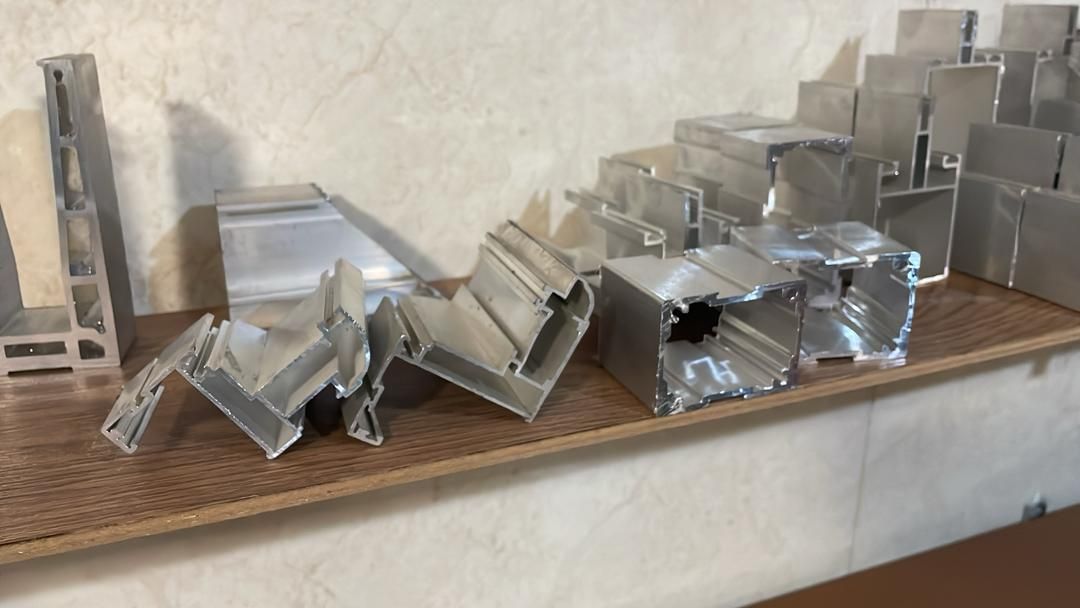
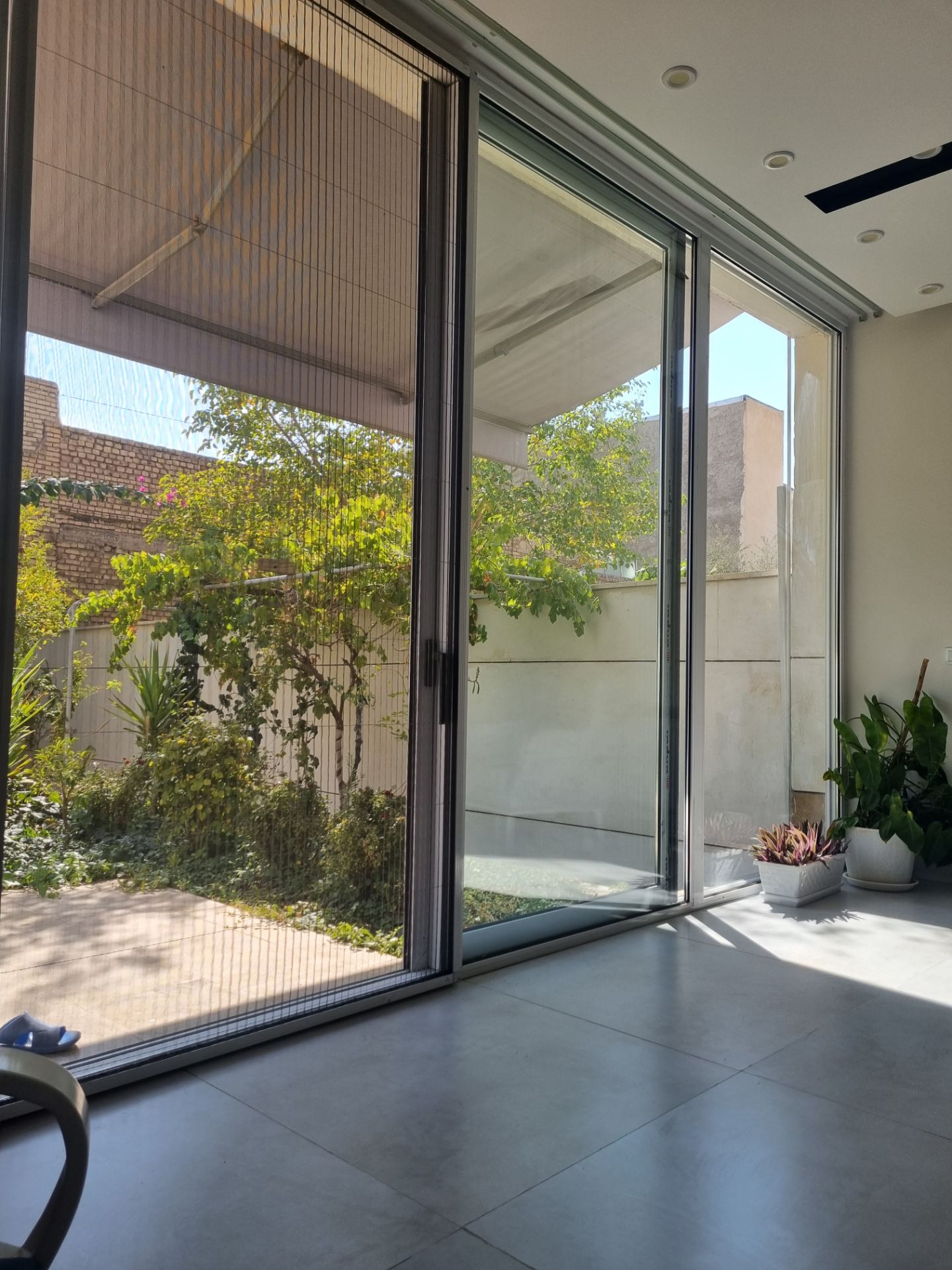
- Construction: The construction industry benefits from aluminum’s durability and aesthetic appeal. High-quality aluminum is used in architectural elements, window frames, and roofing materials, offering both functional and visual advantages.
- Marine: Marine applications demand aluminum that can withstand harsh environments. High-quality, corrosion-resistant aluminum alloys are used in shipbuilding, boat manufacturing, and offshore structures.
The Future of Aluminum Quality
As technology advances, the pursuit of higher quality aluminum continues. Innovations in alloy development, processing techniques, and recycling methods are pushing the boundaries of what aluminum can achieve. Researchers are exploring new alloy compositions and manufacturing processes to create aluminum that is even lighter, stronger, and more sustainable.
Selecting the “best” aluminum alloy depends on the specific requirements of the application, as different alloys excel in different areas such as strength, corrosion resistance, machinability, or thermal conductivity. Here are some of the most highly regarded aluminum alloys, each suited to different applications:
1. 7075 Aluminum
Key Properties: High strength, good fatigue resistance, and relatively high hardness.
Applications: Aerospace, military, and high-performance automotive components. It’s used for aircraft structures, military equipment, and marine applications due to its high strength-to-weight ratio.
Characteristics: 7075 aluminum is an alloy of aluminum, zinc, and other elements. It is known for its superior strength compared to other aluminum alloys, though it is not as resistant to corrosion.
2. 6061 Aluminum
Key Properties: Good mechanical properties, excellent corrosion resistance, and good workability.
Applications: Construction, automotive parts, aerospace, and general manufacturing. It’s used in a wide range of applications, from structural components to bike frames.
Characteristics: 6061 is a versatile alloy that can be heat-treated for additional strength. It combines good strength with ease of machining, making it a popular choice for many engineering applications.
3. 2024 Aluminum
Key Properties: High strength and fatigue resistance, but less resistant to corrosion compared to some other alloys.
Applications: Aerospace structures, aircraft skins, and other applications where strength and durability are critical.
Characteristics: This alloy is known for its high strength-to-weight ratio and is often used in structural components where performance is critical. It’s less resistant to corrosion, so it is often treated or coated to protect it.
4. 5052 Aluminum
Key Properties: Excellent corrosion resistance, good weldability, and good workability.
Applications: Marine environments, automotive fuel tanks, and pressure vessels. It is commonly used in marine applications because of its resistance to saltwater corrosion.
Characteristics: 5052 is an alloy of aluminum and magnesium, providing excellent resistance to corrosion and good workability. It is often used in environments where exposure to corrosive elements is a concern.
5. 3003 Aluminum
Key Properties: Excellent formability, good corrosion resistance, and moderate strength.
Applications: Cookware, chemical processing, and residential siding. It’s used where formability is more critical than strength.
Characteristics: 3003 is a commercially pure aluminum alloy with added manganese to improve strength. It is easy to work with and is used in a wide range of everyday products.
6. 7050 Aluminum
Key Properties: High strength, excellent fatigue resistance, and good stress-corrosion resistance.
Applications: Aerospace structures, military applications, and high-stress environments.
Characteristics: Similar to 7075 but with added elements to improve its stress-corrosion resistance. It is used in applications where both high strength and resistance to environmental conditions are required.
7. 2011 Aluminum
Key Properties: Excellent machinability, good mechanical properties, and decent strength.
Applications: Precision machining, parts requiring tight tolerances, and high-speed machining applications.
Characteristics: Known for its superior machinability, it’s often used in applications where complex parts need to be manufactured with high precision. It’s not as strong as some other alloys but is excellent for detailed work.
There isn’t a one-size-fits-all answer to which aluminum alloy is the best; it depends on the specific requirements of the application. Each alloy has its strengths and weaknesses:
- For high strength and aerospace applications: 7075 or 2024.
- For general-purpose structural use: 6061.
- For marine and corrosive environments: 5052.
- For ease of fabrication and moderate strength: 3003.
- For precision machining: 2011.
When comparing 6061 and 7075 aluminum alloys, it’s essential to consider their properties, applications, and the specific requirements of your project. Both alloys are widely used in various industries, but they have distinct characteristics that make them suited to different applications.
6061 Aluminum Alloy
1. Composition:
- Main Alloying Elements: Magnesium and Silicon.
- Typical Composition: 0.80%–1.20% Magnesium, 0.40%–0.80% Silicon, and small amounts of other elements like copper and chromium.
2. Mechanical Properties:
- Tensile Strength: Approximately 45,000–55,000 psi (310–380 MPa).
- Yield Strength: About 35,000 psi (240 MPa).
- Hardness: Typically around 95 Brinell.
3. Corrosion Resistance:
- Excellent resistance to corrosion, particularly in marine environments. It’s often used for applications where exposure to the elements is a concern.
4. Workability:
- Good machinability and weldability. It’s easy to work with, making it a popular choice for fabrications and structures.
5. Applications:
- Construction: Structural components, frames, and supports.
- Automotive: Parts and components, such as engine blocks and chassis.
- Aerospace: Aircraft parts where strength and corrosion resistance are required.
- General Manufacturing: Used in a wide range of general-purpose applications.
6. Heat Treatment:
- Heat-treatable, but not to the extent of 7075. It can be solution heat-treated and aged to increase strength, particularly in the T6 temper.
7075 Aluminum Alloy
1. Composition:
- Main Alloying Elements: Zinc and smaller amounts of magnesium and copper.
- Typical Composition: 4.2%–4.7% Zinc, 1.2%–1.6% Magnesium, and small percentages of copper, chromium, and other elements.
2. Mechanical Properties:
- Tensile Strength: Approximately 73,000–83,000 psi (500–570 MPa).
- Yield Strength: About 63,000 psi (435 MPa).
- Hardness: Typically around 150 Brinell.
3. Corrosion Resistance:
- Less resistant to corrosion compared to 6061, particularly in harsh environments. It is more susceptible to stress corrosion cracking, so it is often used with protective coatings.
4. Workability:
- Generally harder to machine and weld compared to 6061. It requires more care in processing, especially in high-stress environments.
5. Applications:
- Aerospace: Structural components, wing spars, and aircraft frames due to its high strength.
- Military: Armor and other high-strength components.
- High-Performance Automotive: Parts requiring maximum strength and durability.
6. Heat Treatment:
- Highly heat-treatable, particularly in the T6 temper, which can significantly increase its strength and hardness. It’s often used in applications requiring high strength.
Key Differences
- Strength: 7075 aluminum offers higher strength than 6061, making it suitable for applications where maximum strength is critical.
- Corrosion Resistance: 6061 aluminum has better corrosion resistance, especially important for marine and outdoor applications.
- Workability: 6061 is generally easier to machine and weld compared to 7075, which can be more challenging due to its higher strength and hardness.
- Cost: 7075 tends to be more expensive due to its higher strength and more complex alloying elements.
Summary
- Choose 6061 Aluminum if you need good strength, excellent corrosion resistance, and easier workability. It’s a versatile alloy suitable for a broad range of applications, including those that require welding and fabrication.
- Choose 7075 Aluminum if you need maximum strength and are willing to trade off some corrosion resistance and workability. It’s ideal for high-stress applications where strength is paramount, such as in aerospace and military applications.
Cost and Availability
- 6061 Aluminum: Generally, 6061 aluminum is more cost-effective compared to 7075. Its widespread use and relatively simpler alloying process contribute to its lower price. It is also more readily available in a variety of forms and sizes, making it easier to source for different projects.
- 7075 Aluminum: Due to its complex alloying process and higher performance characteristics, 7075 aluminum is typically more expensive. Its higher cost is justified by its superior strength and is often used where its enhanced properties are necessary despite the premium price.
Choosing Between 6061 and 7075
1. Application Requirements:
- For High Strength: If your project requires the highest possible strength and can tolerate lower corrosion resistance and more challenging fabrication, 7075 is the ideal choice.
- For Corrosion Resistance and Workability: If corrosion resistance and ease of machining or welding are more critical to your project, 6061 is more suitable. It provides a good balance of strength and corrosion resistance and is easier to work with.
2. Environmental Conditions:
- Marine or Outdoor Use: For applications exposed to harsh environments, such as marine settings or outdoor use, 6061 is often preferred due to its superior resistance to corrosion.
- Structural Components: In environments where structural integrity and strength are paramount, such as aerospace or high-stress applications, 7075 is typically chosen despite the potential need for additional protective coatings.
3. Fabrication Needs:
- Machining and Welding: If your project involves extensive machining or welding, 6061 might be a better option because it is easier to handle during these processes.
- Precision and Strength: For applications requiring precise dimensions and high strength, and where the material’s toughness is critical, 7075 is a better fit.
Both 6061 and 7075 aluminum alloys have their unique advantages and are suited to different applications:
- 6061 Aluminum: Offers a combination of good mechanical properties, excellent corrosion resistance, and ease of fabrication. It’s a versatile alloy used in a broad range of applications from structural components to general manufacturing. Its relatively lower cost and better workability make it a popular choice for many industries.
- 7075 Aluminum: Known for its superior strength and hardness, making it ideal for high-performance applications where strength is a top priority. It is often used in aerospace, military, and high-stress components. However, its lower corrosion resistance and higher cost may require additional considerations, such as protective coatings and specialized fabrication techniques.
Choosing the right alloy involves understanding the specific demands of your application, including strength requirements, environmental conditions, and fabrication needs. By carefully evaluating these factors, you can select the aluminum alloy that best meets your project’s requirements, ensuring optimal performance and durability.
When selecting aluminum alloys for applications where corrosion resistance is a priority, it’s essential to choose materials specifically designed to withstand various environmental conditions, such as marine environments, chemical exposure, or other harsh conditions. Here are some of the most corrosion-resistant aluminum alloys and related options:
5052 Aluminum Alloy
Properties:
- Corrosion Resistance: Excellent resistance to marine and industrial environments.
- Strength: Moderate strength compared to other alloys.
- Workability: Good weldability and formability.
Applications:
- Marine applications (boat hulls, ship components).
- Automotive fuel tanks.
- Chemical processing equipment.
Characteristics: 5052 aluminum is highly resistant to corrosion, particularly in saltwater environments, making it ideal for marine applications. It also has good workability and can be easily welded.
5083 Aluminum Alloy
Properties:
- Corrosion Resistance: Outstanding resistance to seawater and aggressive environments.
- Strength: High strength, especially in the annealed state.
- Workability: Good weldability.
Applications:
- Marine industry (ships, boat hulls, and other marine structures).
- Military and defense (armor plating).
- Cryogenic applications.
Characteristics: 5083 aluminum is one of the most corrosion-resistant aluminum alloys, suitable for extremely harsh environments, including marine and chemical environments. It provides high strength and is highly resistant to corrosion in seawater.
6061 Aluminum Alloy
Properties:
- Corrosion Resistance: Good resistance to general corrosion, including atmospheric and marine environments.
- Strength: Good strength-to-weight ratio.
- Workability: Excellent machinability and weldability.
Applications:
- Structural components (bridges, buildings).
- Automotive parts.
- Aerospace components.
Characteristics: 6061 aluminum is versatile and provides good corrosion resistance, particularly when treated or coated. It is used widely in applications where moderate corrosion resistance and good workability are needed.
7075 Aluminum Alloy
Properties:
- Corrosion Resistance: Moderate to good, but less resistant compared to 5052 or 5083.
- Strength: High strength, especially in heat-treated conditions.
- Workability: More challenging to machine and weld compared to 6061 and 5052.
Applications:
- Aerospace (aircraft structures, military equipment).
- High-performance automotive components.
Characteristics: 7075 aluminum offers superior strength but has less corrosion resistance than alloys like 5052 and 5083. It is often used in applications where strength is more critical than corrosion resistance. Protective coatings or treatments can improve its resistance.
3003 Aluminum Alloy
Properties:
- Corrosion Resistance: Good resistance to atmospheric corrosion.
- Strength: Lower strength compared to 6061 and 7075.
- Workability: Excellent formability and machinability.
Applications:
- Cookware.
- Chemical tanks.
- Residential siding.
Characteristics: 3003 aluminum is known for its good corrosion resistance and formability. It is commonly used in applications where ease of fabrication is a priority, though it is not suited for highly corrosive environments compared to alloys like 5052 or 5083.
1100 Aluminum Alloy
Properties:
- Corrosion Resistance: Very good resistance to corrosion, especially in acidic and atmospheric environments.
- Strength: Low strength compared to other aluminum alloys.
- Workability: Excellent formability and weldability.
Applications:
- Chemical processing equipment.
- Heat exchangers.
- Decorative applications.
Characteristics: 1100 aluminum is highly resistant to corrosion and is often used in applications where exposure to chemicals or the atmosphere is a concern. Its low strength limits its use in structural applications.
Anodized Aluminum
Properties:
- Corrosion Resistance: Enhanced resistance due to the anodized coating.
- Strength: Depends on the underlying alloy.
- Workability: The anodizing process can affect machinability.
Applications:
- Architectural components.
- Aerospace.
- Consumer products.
Characteristics: Anodizing is a surface treatment that enhances the corrosion resistance of aluminum. It involves creating a thick oxide layer on the aluminum surface, which improves its resistance to corrosion and wear. Anodized aluminum can be based on various underlying alloys, such as 6061 or 7075.
Summary
For corrosion-resistant aluminum alloys:
- Best for Marine Environments: 5052 and 5083 are top choices due to their excellent resistance to seawater and aggressive environments.
- General Purpose Corrosion Resistance: 6061 offers good resistance and versatility for various applications.
- Cost-Effective Options: 3003 and 1100 provide good corrosion resistance at a lower cost but are not suitable for high-stress or highly corrosive environments.
When selecting an alloy, consider not only the corrosion resistance but also the specific requirements of your application, including strength, workability, and environmental conditions.
When selecting an aluminum alloy for welding, several factors come into play, including the alloy’s weldability, strength, corrosion resistance, and the specific welding techniques to be used. Here’s a detailed look at some of the best aluminum alloys for welding and their characteristics:
6061 Aluminum Alloy
Properties:
- Weldability: Excellent. It is one of the most commonly welded aluminum alloys due to its good weldability.
- Strength: Moderate to high, especially in the heat-treated T6 temper.
- Corrosion Resistance: Good, though it can be improved with protective coatings.
Applications:
- Aerospace components.
- Automotive parts.
- Structural applications.
Characteristics: 6061 aluminum is highly favored for welding due to its balance of strength, weldability, and overall performance. It can be welded using various methods, including MIG (Metal Inert Gas) and TIG (Tungsten Inert Gas) welding. The alloy maintains good mechanical properties post-welding and is widely used in structural and general-purpose applications.
5052 Aluminum Alloy
Properties:
- Weldability: Excellent. It is known for its ease of welding and good post-weld properties.
- Strength: Moderate, but improved by welding.
- Corrosion Resistance: Very good, particularly in marine environments.
Applications:
- Marine environments (boats, shipbuilding).
- Automotive fuel tanks.
- Pressure vessels.
Characteristics: 5052 aluminum is highly weldable and offers superior corrosion resistance, making it ideal for marine and automotive applications where exposure to harsh environments is common. It is easy to work with and weld, and it maintains good performance in service.
3003 Aluminum Alloy
Properties:
- Weldability: Good. It is relatively easy to weld, though less commonly used in structural applications.
- Strength: Lower compared to 6061 and 5052.
- Corrosion Resistance: Good, especially in atmospheric conditions.
Applications:
- Cookware.
- Chemical processing equipment.
- Residential siding.
Characteristics: 3003 aluminum is known for its excellent formability and good weldability. It is often used in applications where high strength is not critical but where good corrosion resistance and easy fabrication are desired.
1100 Aluminum Alloy
Properties:
- Weldability: Very good. It is easy to weld and is often used for applications requiring minimal strength but good corrosion resistance.
- Strength: Low.
- Corrosion Resistance: Very good, particularly in acidic environments.
Applications:
- Chemical tanks.
- Heat exchangers.
- Decorative applications.
Characteristics: 1100 aluminum is highly weldable and suitable for applications where corrosion resistance is essential, and strength is less critical. It is commonly used for chemical processing equipment and other applications where easy welding is advantageous.
7075 Aluminum Alloy
Properties:
- Weldability: Fair to good. Welding 7075 can be more challenging due to its high strength and tendency to crack during welding.
- Strength: Very high.
- Corrosion Resistance: Moderate.
Applications:
- Aerospace components.
- Military applications.
- High-performance automotive parts.
Characteristics: 7075 aluminum is known for its exceptional strength but is less forgiving during welding compared to alloys like 6061 or 5052. It is prone to issues like cracking during the welding process, so it requires careful handling and often pre-weld treatments. It is used in applications where high strength is crucial, and welding is performed with specialized techniques and care.
2024 Aluminum Alloy
Properties:
- Weldability: Fair. It is more challenging to weld than 6061 due to its higher copper content, which can lead to issues such as hot cracking.
- Strength: Very high.
- Corrosion Resistance: Moderate, often requiring coatings for enhanced protection.
Applications:
- Aerospace structures.
- Aircraft components.
- High-performance parts.
Characteristics: 2024 aluminum offers high strength and is used in demanding structural applications. However, it is less ideal for welding compared to other alloys. When welding 2024, pre-weld and post-weld heat treatments are often required to mitigate issues related to cracking.
Summary
Best Alloys for Welding:
- 6061 Aluminum: Offers a good balance of weldability, strength, and corrosion resistance, making it suitable for a wide range of applications.
- 5052 Aluminum: Excellent for welding and highly resistant to corrosion, making it ideal for marine and automotive applications.
Alloys with More Challenges:
- 7075 Aluminum: Very high strength but challenging to weld due to cracking tendencies. Requires careful handling and specialized techniques.
- 2024 Aluminum: High strength but more difficult to weld; often used where high performance outweighs welding concerns.
When choosing an aluminum alloy for welding, consider the specific requirements of your project, including strength needs, environmental conditions, and the welding processes to be used. For most general welding applications, 6061 and 5052 offer the best combination of performance and ease of fabrication.
Anodizing aluminum can significantly enhance its performance, but whether it’s “worth it” depends on your specific needs and the context in which the aluminum will be used. Anodizing is an electrochemical process that increases the thickness of the natural oxide layer on the surface of aluminum parts, offering several benefits and some considerations. Here’s an in-depth look at the advantages, potential drawbacks, and typical applications to help you determine if anodized aluminum is worth it for your project.
Advantages of Anodized Aluminum
1. Enhanced Corrosion Resistance:
- Benefit: Anodizing creates a thick, protective oxide layer that improves aluminum’s resistance to corrosion, particularly in harsh environments like marine or industrial settings.
- Use Case: Ideal for applications exposed to moisture, chemicals, or extreme weather conditions.
2. Increased Durability:
- Benefit: The anodized layer is hard and durable, providing resistance to scratching, abrasion, and wear. This can extend the lifespan of aluminum parts and reduce maintenance needs.
- Use Case: Beneficial for high-wear applications such as automotive parts, architectural components, and consumer electronics.
3. Improved Aesthetic Qualities:
- Benefit: Anodizing can be used to add color or enhance the appearance of aluminum parts. The finish can be matte, glossy, or metallic, and colors are resistant to fading.
- Use Case: Commonly used for decorative purposes in consumer products, architectural elements, and signage.
4. Increased Surface Hardness:
- Benefit: The anodized coating significantly increases the surface hardness of aluminum, which can improve its performance in high-contact or high-friction applications.
- Use Case: Useful for components that undergo significant physical stress or are subject to frequent handling.
5. Low Maintenance:
- Benefit: Anodized surfaces are relatively easy to clean and maintain compared to non-anodized surfaces, as they resist staining and dirt accumulation.
- Use Case: Practical for applications where low maintenance is a priority, such as in building facades and outdoor equipment.
6. Non-Toxic and Environmentally Friendly:
- Benefit: Anodizing is a non-toxic process and the anodized layer is environmentally benign. It doesn’t involve harmful chemicals or create hazardous waste.
- Use Case: Suitable for applications in environmentally conscious industries or products that come into contact with food or drink.
Potential Drawbacks of Anodized Aluminum
1. Cost:
- Drawback: Anodizing adds an extra cost to aluminum products, including processing and potential post-anodizing treatments.
- Consideration: Weigh the benefits of increased durability and aesthetics against the additional cost. For some applications, this cost may be justified, while for others, it might not be.
2. Limited Repairability:
- Drawback: If the anodized layer gets damaged, it can be difficult to repair. Scratches or dents can be noticeable and might require re-anodizing.
- Consideration: Assess if the application’s environment and expected wear and tear make this a significant concern.
3. Color Matching:
- Drawback: Achieving precise color matches can be challenging, and anodized colors might vary slightly from batch to batch.
- Consideration: For projects requiring exact color consistency, this variability may need to be factored into the decision-making process.
4. Thickness Limitation:
- Drawback: Anodized coatings are generally thin compared to other types of coatings and might not provide sufficient protection in extremely harsh environments.
- Consideration: Evaluate if the level of protection offered by anodizing is adequate for your specific application.
Applications Where Anodized Aluminum is Worth It
- Architectural Applications: Building facades, window frames, and roofing materials benefit from anodized aluminum due to its durability and resistance to weathering.
- Consumer Electronics: Smartphones, laptops, and other devices use anodized aluminum for its aesthetic appeal and scratch resistance.
- Aerospace and Automotive: Components exposed to high stress or harsh environments gain from the increased durability and corrosion resistance.
- Outdoor Equipment: Sports equipment, garden tools, and other outdoor items use anodized aluminum for its ability to withstand the elements.
Conclusion
Anodizing aluminum is often worth it for applications requiring enhanced durability, corrosion resistance, and aesthetic appeal. While it does add to the cost, the benefits of improved performance and reduced maintenance can outweigh this, especially in demanding environments. The decision to anodize should consider the specific needs of your application, including the environmental conditions, desired appearance, and budget constraints.
For applications where these advantages align with your requirements, anodized aluminum provides a high-performance, long-lasting solution that justifies the investment.
Anodizing aluminum is a valuable process that enhances the material’s performance by significantly improving its corrosion resistance, surface durability, and aesthetic appeal. Whether it’s worth the investment depends on the specific requirements of your project.
Anodizing is particularly advantageous for applications exposed to harsh environments or requiring high durability, such as in marine, aerospace, or architectural settings. It provides excellent protection against corrosion, abrasion, and wear, extending the lifespan of aluminum components and reducing maintenance needs. Additionally, the ability to achieve various finishes and colors makes anodizing a popular choice for both functional and decorative applications.
However, the additional cost and potential challenges with color matching or repairability should be considered. For projects where cost is a significant factor or where the aluminum will not face demanding conditions, non-anodized alternatives might be more appropriate.
Ultimately, anodized aluminum is worth it if the benefits align with your project’s needs. It offers long-term value through enhanced performance and reduced maintenance, making it a sound investment for applications where durability and aesthetic quality are paramount. By carefully evaluating your requirements and considering the long-term advantages, you can determine whether anodizing is the right choice for your aluminum components.
The highest quality aluminum in the world The highest quality aluminum in the world The highest quality aluminum in the world The highest quality aluminum in the world The highest quality aluminum in the world The highest quality aluminum in the world The highest quality aluminum in the world The highest quality aluminum in the world The highest quality aluminum in the world The highest quality aluminum in the world The highest quality aluminum in the world The highest quality aluminum in the world The highest quality aluminum in the world The highest quality aluminum in the world The highest quality aluminum in the world The highest quality aluminum in the world The highest quality aluminum in the world The highest quality aluminum in the world The highest quality aluminum in the world The highest quality aluminum in the world The highest quality aluminum in the world




Leave A Comment