
The execution of the glass roof of Muzak


The execution of the glass roof of Muzak The architectural concept of a glass roof has long been admired for its ability to merge natural light with structural elegance. One standout example of such innovation is the glass roof at Muzak—a project that seamlessly blends form, function, and modern design principles. This article delves into the execution process, materials, and design strategies that make this architectural feature noteworthy.
The Vision Behind the Glass Roof
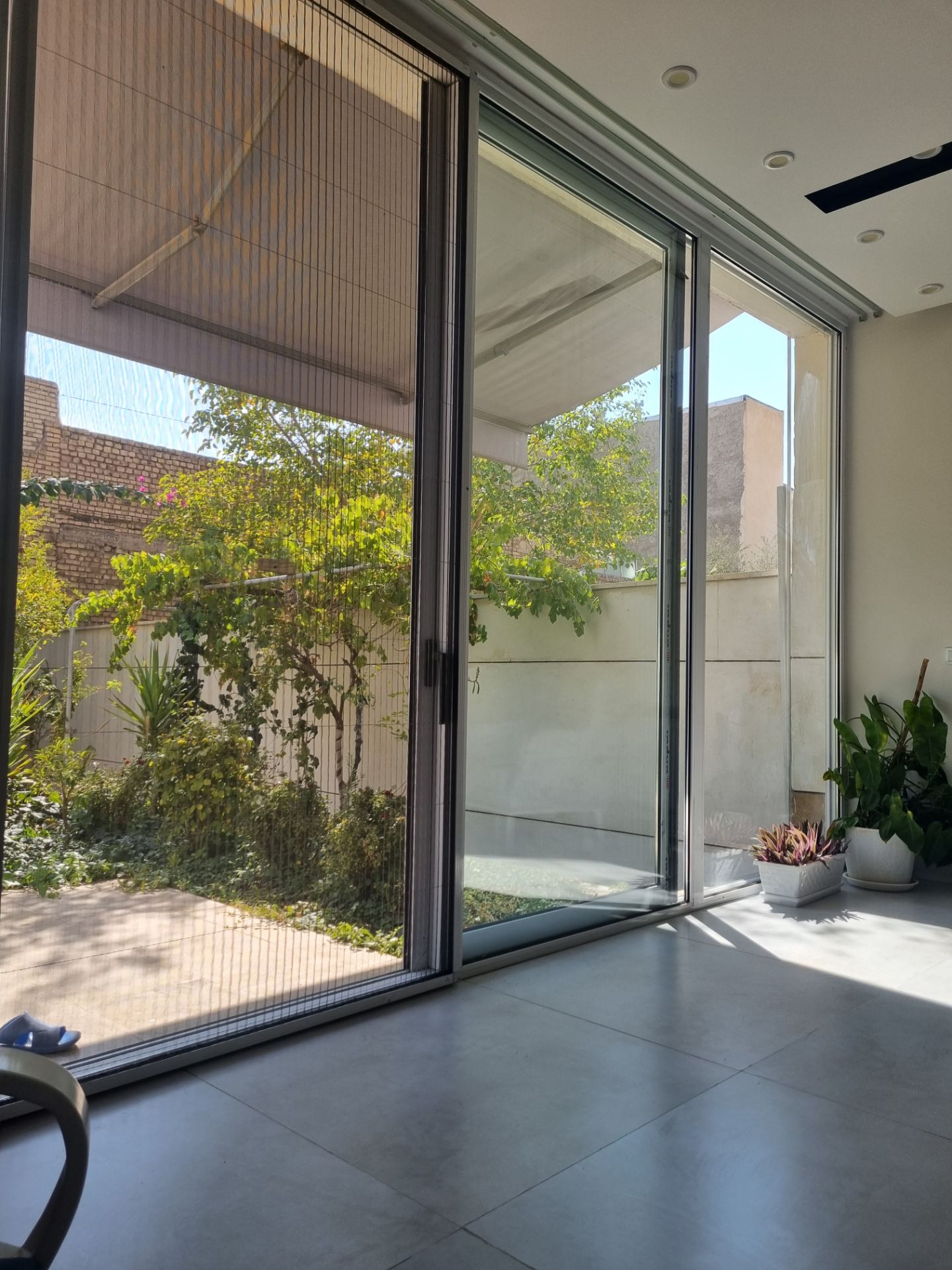
The Muzak glass roof was designed to create an open and inviting space while maintaining structural integrity and energy efficiency. The architects envisioned a structure that would serve as a focal point, enhancing the interior ambiance with natural light and offering clear views of the sky. This design approach aligns with contemporary architectural trends that prioritize sustainability and human-centric spaces.
Material Selection: Balancing Aesthetics and Durability
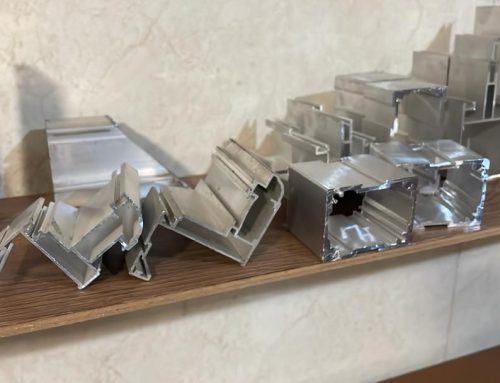
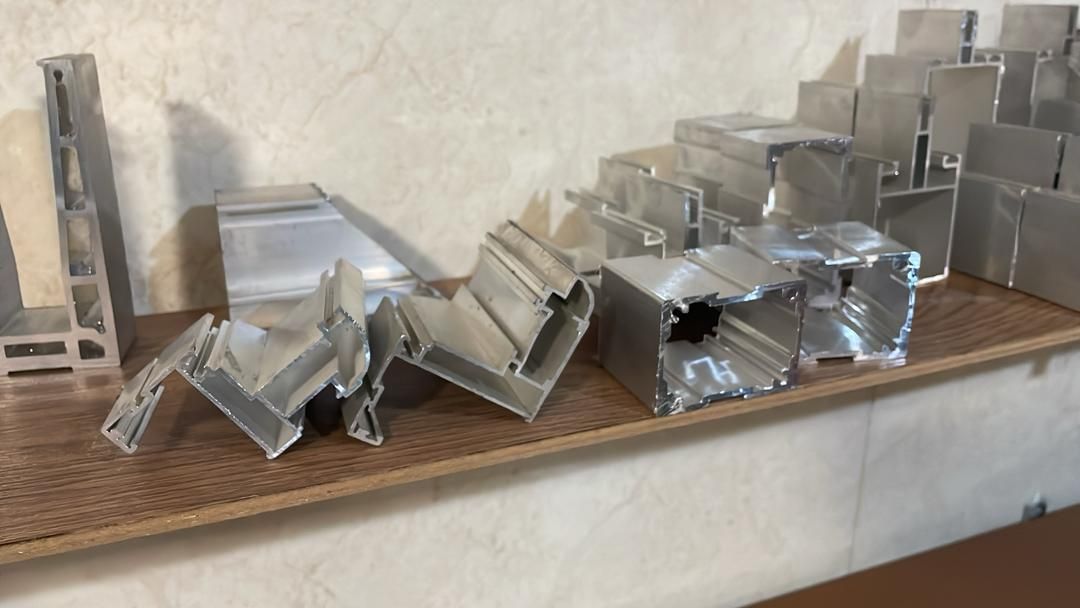
The choice of materials was crucial in the execution of the Muzak glass roof. High-performance, tempered glass panels were selected for their strength, thermal insulation, and resistance to weathering. These panels were combined with lightweight aluminum frames to minimize the overall load on the structure.
Key features of the materials included:
- Low-E Coatings: To reduce heat gain and improve energy efficiency.
- UV Protection: Ensuring longevity and reducing interior fading caused by sunlight.
- Acoustic Insulation: To maintain a quiet and peaceful indoor environment.
Engineering and Structural Challenges
One of the primary challenges in executing the glass roof was achieving structural stability while maintaining a sleek design. Engineers employed advanced computational modeling to test load-bearing capacities and optimize the distribution of weight. These simulations also accounted for environmental factors, such as wind and snow loads, ensuring the roof could withstand extreme conditions.
The support structure incorporated a combination of steel trusses and tension cables, providing flexibility and robustness. Special attention was given to the junctions where glass panels meet, ensuring seamless integration without compromising safety.
Installation Process
The installation process required meticulous planning and precision. Key steps included:
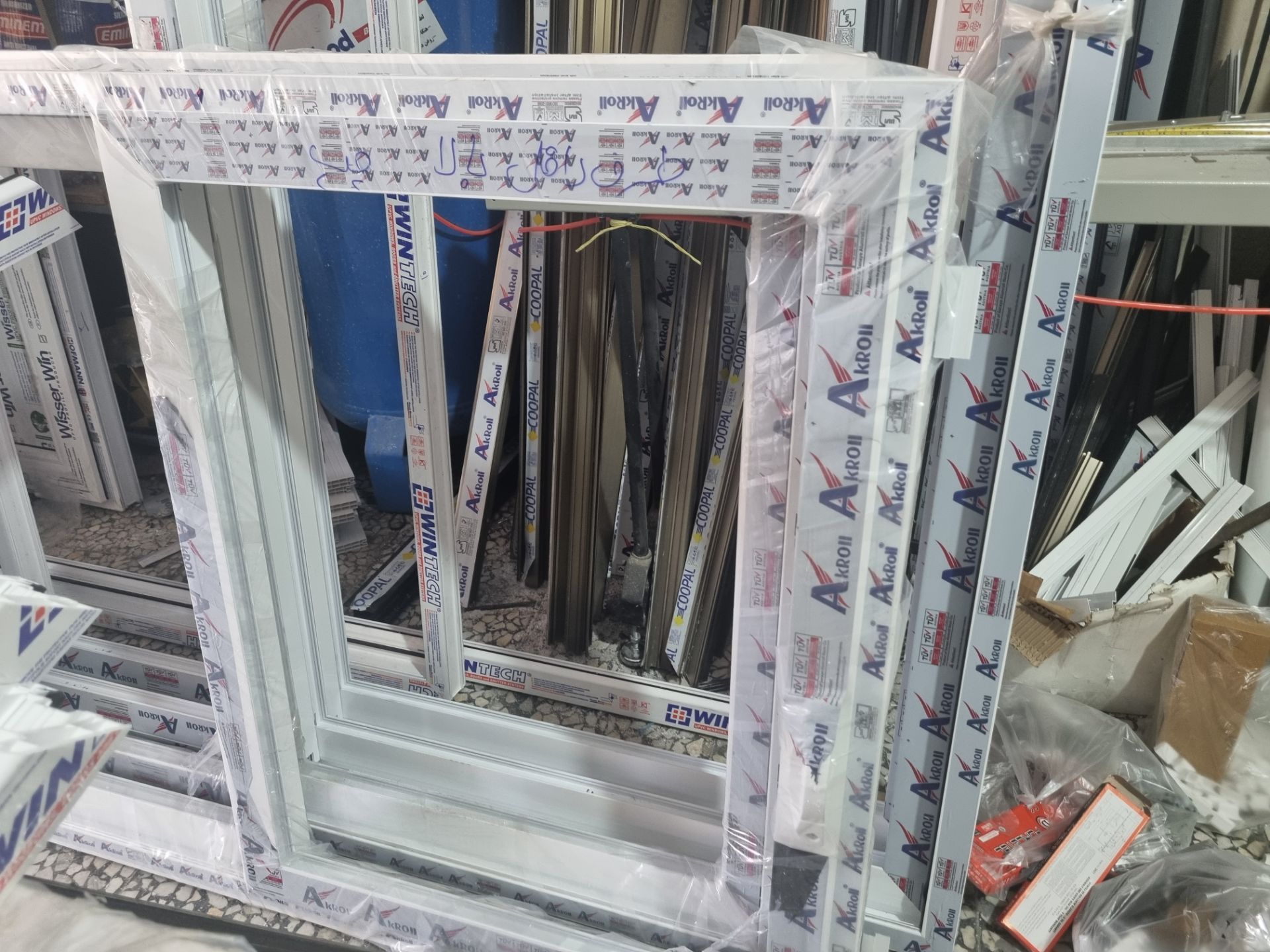
- Pre-Fabrication: Glass panels and frames were manufactured off-site to ensure quality and reduce installation time.
- On-Site Assembly: Teams worked in stages, starting with the primary support structure and progressing to panel placement.
- Sealing and Finishing: Advanced sealing techniques were used to prevent leaks and ensure thermal efficiency.
Safety measures were paramount during the installation phase, with workers using specialized equipment to handle the heavy glass panels.
Sustainability Considerations
The Muzak glass roof demonstrates a commitment to sustainability. By maximizing natural light, the design reduces the need for artificial lighting, lowering energy consumption. The use of recyclable materials further underscores the project’s eco-friendly approach.
The End Result
The completed glass roof of Muzak is more than just an architectural feature; it is a testament to modern engineering and design excellence. The interplay of light and space creates a dynamic environment, enhancing the building’s functionality and aesthetic appeal.
A Symbol of Modern Architecture
The Muzak glass roof is a shining example of the evolution of architectural innovation. It not only fulfills its functional purpose but also acts as a symbolic representation of transparency, openness, and harmony with the natural environment. This architectural feature has become a focal point for the building, attracting visitors and architectural enthusiasts alike.
The design encourages a deeper connection between the indoors and outdoors. As sunlight pours in through the glass roof, it bathes the interior spaces in natural light, reducing reliance on artificial lighting and enhancing the well-being of occupants. The ever-changing play of light throughout the day adds a dynamic quality to the space, making it feel alive and constantly evolving.
Maintenance and Long-Term Performance
While glass roofs offer unmatched aesthetics, maintaining them is essential to ensure their longevity and functionality. For the Muzak glass roof, a proactive maintenance strategy was implemented:
- Regular Cleaning: Automated cleaning systems were installed to prevent dirt, debris, and weathering from obstructing light transmission or causing damage to the glass.
- Inspections: Periodic structural assessments ensure that seals remain intact and support systems are performing optimally.
- Repairs: The modular nature of the design allows for easy replacement of individual panels without requiring extensive disassembly.
The integration of self-cleaning glass, which uses a special coating to break down organic material with sunlight and wash it away with rain, further simplifies maintenance efforts.
Cultural and Social Impact
Beyond its technical achievements, the Muzak glass roof has become a cultural and social landmark. Its ability to transform the interior space into an airy, light-filled environment has made the building a hub for gatherings, events, and exhibitions. Visitors often cite the space as an inspiring and uplifting environment, proving that architecture has the power to shape human experience in profound ways.
Furthermore, the roof serves as an educational tool, showcasing the potential of sustainable and innovative construction techniques. Architects, engineers, and students visit the site to learn about its execution, from conceptualization to completion.
Looking Ahead: Influencing Future Designs
The success of the Muzak glass roof is inspiring similar projects worldwide. Its execution demonstrates how glass can be used not just as a window to the outside world but as a transformative architectural element. As technology continues to advance, future iterations of glass roofing are likely to incorporate features such as:
- Smart Glass Technology: Glass that can change its opacity or color based on light conditions or user preferences.
- Enhanced Thermal Performance: Innovations in coatings and materials to further reduce energy consumption.
- Integrated Solar Panels: Turning glass roofs into energy-generating surfaces for improved sustainability.
Architects are now envisioning how such designs can be scaled or adapted to a variety of spaces, from residential homes to public infrastructure.
Final Thoughts
The execution of the Muzak glass roof exemplifies the pinnacle of modern architectural practice. It merges technical expertise with artistic vision, creating a structure that is as functional as it is beautiful. Its impact goes beyond the building itself, influencing architectural trends and sparking conversations about sustainability, innovation, and the human connection to space and light.
The Muzak glass roof stands as a timeless example of what can be achieved when ambition meets technical precision and thoughtful design. Whether you are an architect, a student, or simply an admirer of innovative construction, this project serves as a powerful reminder of architecture’s transformative potential.

Leave A Comment