
The cost of implementing the curtain wall glass façade
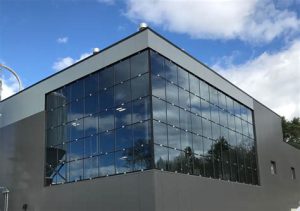
In the realm of contemporary architecture, the curtain wall glass façade stands as an emblem of modernity and sophistication. Its sleek, transparent design not only allows for an abundance of natural light but also creates an illusion of space and openness. Yet, behind its captivating aesthetics lies a significant consideration: cost.
Implementing a curtain wall glass façade involves various expenses, ranging from material procurement to installation and maintenance. Understanding these costs is crucial for architects, developers, and stakeholders seeking to strike a balance between design aspirations and budget constraints.
Material Costs:
The primary component of a curtain wall glass façade is, of course, the glass itself. Depending on factors such as size, type, and quality, the cost of glass panels can vary significantly. High-performance glass, which offers enhanced thermal insulation or acoustic properties, typically commands a higher price tag than standard options.
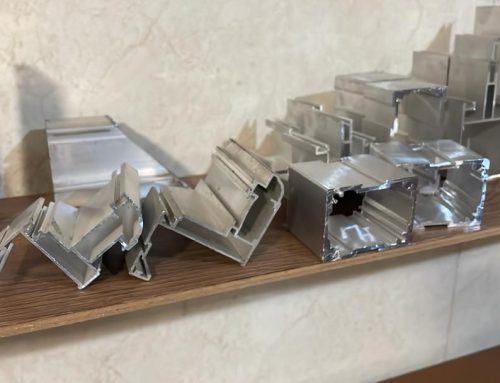
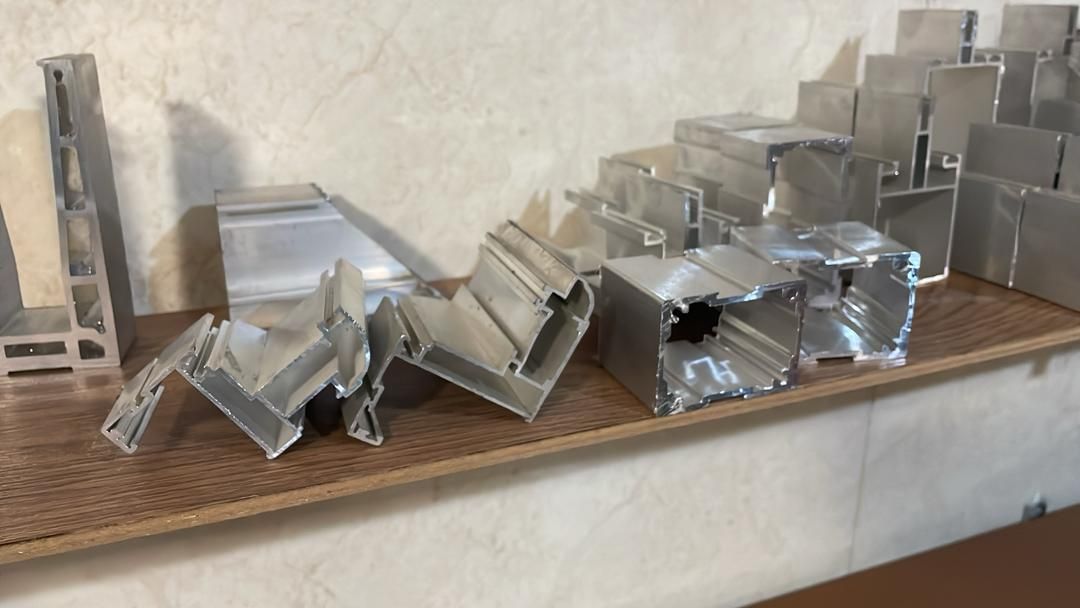
Apart from glass, the supporting framework of the curtain wall system also adds to material expenses. This framework, usually made of aluminum or steel, provides structural stability and aesthetic appeal. The choice of material, as well as any additional features such as thermal breaks or finishes, influences the overall cost.
Design and Engineering:
Designing a curtain wall glass façade entails meticulous planning and engineering expertise. Architects work closely with structural engineers and façade specialists to ensure that the design not only meets aesthetic objectives but also complies with safety and performance standards.
The complexity of the design, including factors like curvature, irregular shapes, or integration with other building systems, can impact costs. Additionally, factors such as wind load, seismic considerations, and energy efficiency requirements contribute to the engineering complexity and, consequently, the overall cost of implementation.
Installation Expenses:
Installing a curtain wall glass façade is a labor-intensive process that demands skilled professionals and specialized equipment. The intricacies of handling large glass panels and assembling the supporting framework require precision and expertise, adding to installation costs.
Moreover, site conditions and access challenges can further influence installation expenses. Projects located in urban environments or constrained spaces may require additional measures, such as specialized machinery or temporary structures, to facilitate installation, thereby affecting the overall project budget.
Maintenance and Lifecycle Costs:
While the upfront costs of implementing a curtain wall glass façade are significant, it’s essential to consider long-term maintenance and lifecycle expenses. Glass requires regular cleaning to maintain its transparency and visual appeal. Additionally, periodic inspections are necessary to identify any structural issues or sealant degradation that may compromise performance.
Furthermore, advancements in glass technology and building envelope systems may offer opportunities for retrofitting or upgrading existing curtain wall installations. However, such enhancements incur additional costs and should be factored into the lifecycle budget.
Environmental Considerations:
In recent years, there has been a growing emphasis on sustainable design practices within the construction industry. While curtain wall glass facades offer numerous benefits in terms of natural light and energy efficiency, their environmental impact should also be considered.
High-performance glass options, such as Low-E (low-emissivity) coatings and insulated glass units, can help reduce heat loss in winter and heat gain in summer, thereby enhancing energy efficiency and reducing carbon emissions. Additionally, the use of recycled materials in the manufacturing of glass panels and aluminum frames can further mitigate the environmental footprint of curtain wall systems.
Furthermore, integrating features such as photovoltaic (PV) cells or solar shading devices into curtain wall designs can harness renewable energy sources and optimize thermal comfort, aligning with sustainability objectives while potentially impacting project costs.
Value Engineering:
Value engineering techniques offer a strategic approach to optimizing project costs without compromising quality or performance. By analyzing the functions and components of a curtain wall glass façade, architects and engineers can identify opportunities for cost savings while preserving design intent and functionality.
Value engineering may involve alternative material selections, streamlined fabrication processes, or design modifications aimed at maximizing efficiency and minimizing waste. Collaborating with manufacturers and suppliers early in the design phase can also yield valuable insights and cost-saving solutions tailored to specific project requirements.
Risk Management:
Effective risk management is essential when implementing a curtain wall glass façade to mitigate potential cost overruns and project delays. Identifying and addressing potential risks, such as supply chain disruptions, regulatory challenges, or unforeseen site conditions, can help minimize financial liabilities and ensure project success.
Engaging experienced contractors and consultants with a proven track record in curtain wall construction and façade engineering can provide valuable expertise in risk identification and mitigation strategies. Additionally, establishing clear communication channels and contingency plans throughout the project lifecycle can enhance transparency and responsiveness to emerging challenges, safeguarding project budgets and timelines.
Cost-Benefit Analysis:
In evaluating the cost of implementing a curtain wall glass façade, it’s essential to conduct a thorough cost-benefit analysis. While upfront expenses may seem significant, the long-term benefits and returns on investment can often justify the initial investment.
One key advantage of curtain wall systems is their potential to enhance building performance and occupant comfort. By maximizing natural daylight and views while minimizing heat gain and glare, these facades can contribute to improved productivity, reduced energy consumption, and enhanced well-being for building occupants. These factors can translate into long-term operational savings and increased property value, offsetting initial construction costs over time.
Additionally, the aesthetic appeal of a well-executed curtain wall glass façade can enhance the marketability and prestige of a building, attracting tenants, visitors, and investors. Buildings with striking architectural features and sustainable design elements often command premium rents and higher resale values, generating a positive return on investment for developers and owners.
Regulatory Compliance and Certification:
Compliance with building codes, standards, and regulatory requirements is a fundamental aspect of curtain wall construction that can impact project costs. Depending on the location and intended use of the building, specific regulations governing structural integrity, fire safety, thermal performance, and accessibility must be addressed during the design and implementation phases.
Moreover, pursuing certifications such as LEED (Leadership in Energy and Environmental Design) or BREEAM (Building Research Establishment Environmental Assessment Method) can demonstrate a commitment to sustainability and quality in building design and construction. While achieving certification may entail additional documentation, testing, and verification processes, the benefits in terms of market differentiation, tenant satisfaction, and operational efficiency can outweigh the associated costs.
Innovations and Future Trends:
As technology advances and industry practices evolve, the cost landscape of curtain wall construction continues to evolve. Innovations such as digital fabrication, 3D printing, and smart glass technologies hold the promise of streamlining production processes, reducing material waste, and enhancing performance capabilities.
Moreover, emerging trends such as biophilic design, which seeks to incorporate natural elements and patterns into the built environment, are reshaping the aesthetics and functionality of curtain wall systems. Integrating features such as living walls, green roofs, or biomimetic facades can enrich the sensory experience of occupants while contributing to environmental sustainability.
Final Thoughts:
In summary, the cost of implementing a curtain wall glass façade encompasses a broad spectrum of factors, including material procurement, design and engineering, installation, maintenance, and regulatory compliance. By adopting a comprehensive approach that considers long-term benefits, sustainability objectives, and technological advancements, stakeholders can navigate the complexities of curtain wall construction effectively and realize the full potential of these iconic architectural elements. In doing so, they not only create visually stunning and functional spaces but also contribute to a more resilient, sustainable, and inspiring built environment for generations to come.

Leave A Comment